Modern seaports are no longer just transit points for cargo—they are complex, data-driven ecosystems that demand precision, speed, and coordination. With increasing container volumes, tighter delivery windows, and rising operational costs, port operators are turning to advanced digital platforms to streamline operations. Among the most transformative technologies are port logistics optimization platforms with automated load and route planning, which leverage artificial intelligence, real-time data, and predictive analytics to enhance efficiency across the supply chain.
TLDR: Port logistics optimization platforms use AI-driven automated load and route planning to reduce congestion, improve vessel turnaround times, and lower operational costs. These systems integrate real-time data from terminals, trucks, and ships to optimize cargo handling and transportation routes. Four leading platforms—Navis N4, Tideworks Mainsail, INFORM SyncroTESS, and Kaleris Decision Optimization—stand out for their automation and analytics capabilities. Together, they help ports operate faster, smarter, and more sustainably.
As global trade volumes grow and supply chains face increasing volatility, port operators require smarter tools to coordinate yard operations, trucking fleets, rail connections, and vessel schedules. Traditional manual coordination methods are no longer sufficient. Automated load and route planning technologies now provide dynamic solutions that adapt in real time, reducing delays, fuel consumption, and labor inefficiencies.
- The Role of Automated Load and Route Planning in Ports
- 1. Navis N4 Terminal Operating System
- 2. Tideworks Mainsail 10
- 3. INFORM SyncroTESS
- 4. Kaleris Decision Optimization Solutions
- Platform Comparison Chart
- Key Benefits of Implementing Optimization Platforms
- Challenges and Considerations
- The Future of Port Logistics Optimization
-
FAQ
- 1. What is automated load planning in port logistics?
- 2. How does route optimization improve port efficiency?
- 3. Are these platforms suitable for small ports?
- 4. Do these systems reduce environmental impact?
- 5. How long does implementation typically take?
- 6. What technologies power these optimization platforms?
The Role of Automated Load and Route Planning in Ports
Automated load planning involves digitally organizing the placement of containers, bulk cargo, or freight to maximize space utilization and ensure balanced loads. Route planning, meanwhile, determines the most efficient transit paths for trucks, yard vehicles, and even ships within port boundaries and beyond.
When combined within a single optimization platform, these functions offer several advantages:
- Reduced vessel and truck turnaround times
- Lower fuel consumption and emissions
- Improved yard space utilization
- Real-time response to disruptions
- Enhanced supply chain visibility
By integrating IoT sensors, GPS tracking, traffic data, weather forecasts, and cargo manifests, these platforms can automatically reassign loads and adjust routes in response to changing conditions.
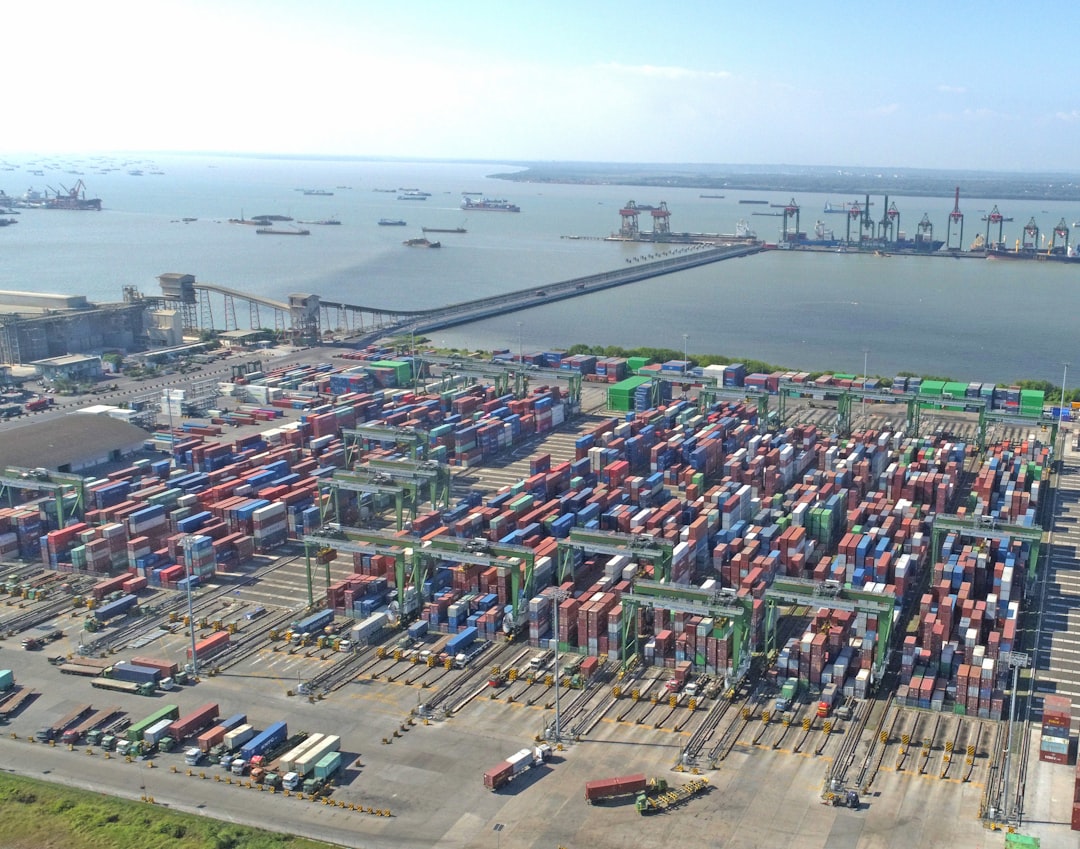
Navis N4 is one of the most widely implemented terminal operating systems (TOS) globally. Designed for container terminals, it offers advanced automation features that optimize both load distribution and equipment routing.
Key Capabilities:
- Automated container stacking logic
- Predictive berth and yard planning
- Real-time equipment dispatch optimization
- Integration with automated guided vehicles (AGVs)
Navis N4 uses algorithms to determine the optimal placement of containers based on departure schedules, cargo type, and weight distribution. This minimizes re-handling and streamlines vessel loading processes. Its route planning engine dynamically assigns yard cranes and transport vehicles to reduce idle time and travel distance.
The system’s ability to integrate with port community systems and vessel scheduling platforms enhances coordination among stakeholders, including shipping lines and trucking operators.
2. Tideworks Mainsail 10
Tideworks Mainsail 10 focuses on delivering operational visibility and automated planning for marine terminals and intermodal facilities. It combines load management functionalities with smart routing capabilities to support high-volume cargo movement.
Key Capabilities:
- Automated yard management
- Load sequencing optimization
- Real-time truck routing updates
- Cloud-based data analytics dashboard
Mainsail 10 leverages machine learning models to anticipate truck arrival surges and yard congestion. It can automatically reprioritize container moves and adjust crane assignments accordingly. The platform’s route guidance tools assist truck drivers with optimized entry, pickup, and exit instructions, reducing bottlenecks at gate operations.
By digitizing workflows and minimizing manual input, Tideworks helps terminals increase throughput while lowering fuel consumption and idle times.
3. INFORM SyncroTESS
INFORM SyncroTESS specializes in intelligent decision support systems for logistics optimization. Unlike traditional TOS solutions, SyncroTESS employs advanced mathematical optimization algorithms tailored to resource allocation and routing.
Key Capabilities:
- Mathematical optimization engines
- Predictive yard capacity planning
- Dynamic vehicle routing algorithms
- Real-time disruption management
SyncroTESS uses constraint-based optimization to allocate cranes, trucks, and storage areas efficiently. When unexpected events—such as weather disruptions or late-arriving vessels—occur, the system recalculates routes and load assignments automatically.
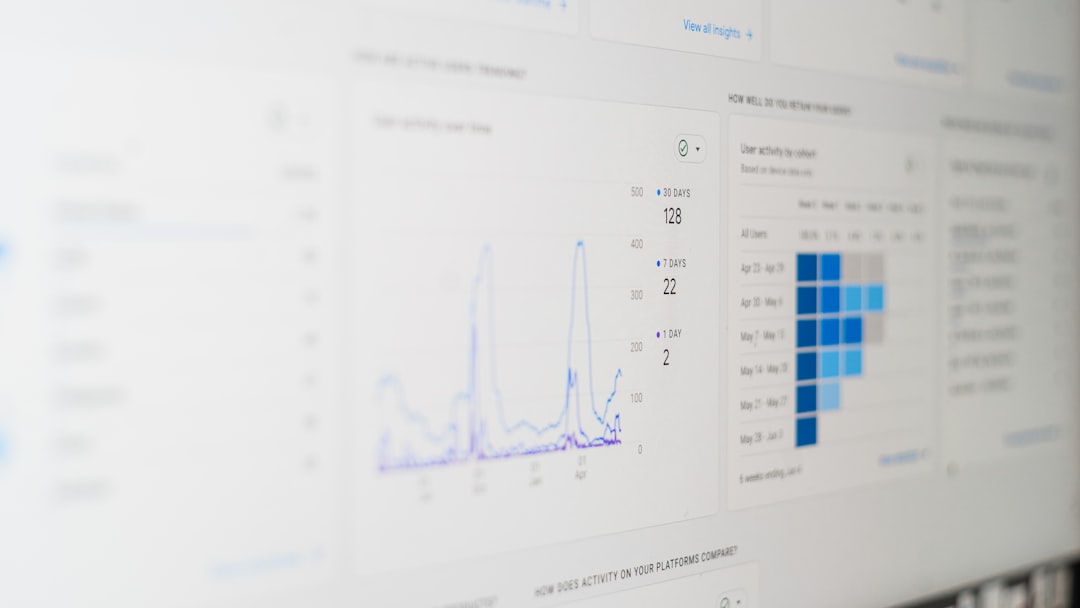
The platform’s decision-support dashboard enables operators to simulate various scenarios, providing insight into the potential impact of operational changes before implementation.
4. Kaleris Decision Optimization Solutions
Kaleris offers integrated supply chain execution and optimization tools, including automated load planning and routing modules designed specifically for ports and terminals.
Key Capabilities:
- AI-driven stowage planning
- End-to-end supply chain visibility
- Integrated rail and truck route optimization
- Emissions monitoring and reporting tools
Kaleris distinguishes itself through its focus on cross-modal optimization. By connecting rail, truck, and maritime scheduling data, it ensures synchronized cargo transfers. Its automated load planning algorithms account for weight distribution, hazardous materials constraints, and delivery deadlines.
Additionally, Kaleris integrates sustainability metrics, helping ports reduce carbon footprints through efficient routing and minimized fuel usage.
Platform Comparison Chart
| Platform | Primary Focus | Load Planning Automation | Route Optimization | Best For |
|---|---|---|---|---|
| Navis N4 | Container terminal operations | Advanced container stacking and stowage | Equipment dispatch optimization | Large global container ports |
| Tideworks Mainsail 10 | Terminal workflow management | Load sequencing and yard automation | Truck routing and congestion reduction | Mid to large marine terminals |
| INFORM SyncroTESS | Mathematical optimization | Resource allocation algorithms | Dynamic multi-vehicle routing | Ports needing advanced decision support |
| Kaleris Optimization | Integrated supply chain execution | AI-driven stowage planning | Cross-modal route optimization | Ports with rail and truck intermodal operations |
Key Benefits of Implementing Optimization Platforms
Adopting automated load and route planning platforms yields measurable operational improvements:
- Throughput Increase: Faster cargo handling boosts annual container volumes.
- Cost Reduction: Optimized fuel use and reduced labor inefficiencies.
- Lower Emissions: Shorter routes and fewer idle times reduce environmental impact.
- Resilience: Real-time recalibration during disruptions.
- Data-Driven Decisions: Strategic planning supported by actionable insights.
For example, ports leveraging automated dispatch algorithms often report double-digit percentage reductions in yard truck travel distances. Similarly, predictive load planning reduces unnecessary container reshuffling, saving both time and equipment resources.
Image not found in postmetaChallenges and Considerations
Despite their advantages, implementing optimization platforms requires careful planning. Key considerations include:
- System Integration: Compatibility with legacy systems and third-party applications.
- Data Quality: Accurate, real-time data is essential for effective automation.
- Change Management: Workforce training and stakeholder alignment.
- Cybersecurity: Protection against data breaches and operational disruptions.
Successful deployments often involve phased rollouts, starting with pilot programs before scaling system-wide. Collaboration between IT teams, operations managers, and supply chain partners ensures smoother transitions.
The Future of Port Logistics Optimization
As artificial intelligence continues to evolve, port optimization platforms are expected to incorporate deeper predictive capabilities, autonomous vehicle coordination, and enhanced sustainability tracking. Digital twins—virtual replicas of physical port environments—may further enhance route and load scenario simulation.
Ultimately, automated load and route planning will become standard practice rather than a competitive advantage. Ports that invest early in these technologies position themselves to handle growing trade volumes while maintaining operational resilience and environmental responsibility.
FAQ
1. What is automated load planning in port logistics?
Automated load planning uses software algorithms to determine the optimal placement of cargo, containers, or freight based on weight, destination, and scheduling constraints. It minimizes handling time and maximizes space utilization.
2. How does route optimization improve port efficiency?
Route optimization calculates the most efficient travel paths for trucks, yard vehicles, or ships. This reduces fuel consumption, avoids congestion, and shortens transit times within and around the port.
3. Are these platforms suitable for small ports?
Yes. While large ports benefit most from comprehensive systems, many platforms offer scalable modules tailored to smaller terminals seeking incremental efficiency improvements.
4. Do these systems reduce environmental impact?
Yes. By minimizing idle times, optimizing routes, and reducing unnecessary cargo movements, automated planning platforms contribute to lower fuel usage and reduced greenhouse gas emissions.
5. How long does implementation typically take?
Implementation timelines vary based on system complexity and integration requirements, but most projects range from several months to over a year for full deployment.
6. What technologies power these optimization platforms?
They typically leverage artificial intelligence, machine learning, mathematical optimization algorithms, IoT sensors, GPS tracking, and cloud-based analytics to deliver real-time, data-driven planning capabilities.


Leave a Reply