Bringing felt, foam, and charm to the big screen no longer requires a full puppet workshop and decades of animatronic expertise. With the rapid evolution of artificial intelligence tools, filmmakers can now design, animate, and integrate Muppet-style characters into live-action or animated films faster and more affordably than ever before. From concept art generation to voice synthesis and real-time performance capture, AI is transforming how whimsical, puppet-like characters come to life.
TLDR: Creating Muppet-style characters with AI involves concept generation, digital sculpting, texture design, voice synthesis, and animation through machine learning-powered tools. Filmmakers can use AI image generators for design, 3D sculpting software for modeling, motion capture for performance, and AI voice tools for character dialogue. The process blends traditional puppetry principles with modern digital workflows. With the right tools and creative direction, studios and indie creators alike can produce expressive, felt-inspired characters for film.
- Understanding the Essence of Muppet-Style Characters
- Step 1: Concept Development with AI Image Generators
- Step 2: 3D Modeling and Sculpting
- Step 3: Texture Creation and Material Simulation
- Step 4: Facial Rigging and AI-Assisted Animation
- Step 5: AI Voice Generation and Character Personality
- Step 6: Integrating Characters into Film Scenes
- Popular AI Tools for Muppet-Style Character Creation
- Balancing AI with Human Creativity
- Cost and Production Benefits
- Future Trends in AI-Driven Puppet Filmmaking
-
FAQ
- 1. Do creators need advanced animation skills to make Muppet-style characters with AI?
- 2. Can AI fully replace traditional puppeteers?
- 3. What makes a digital puppet look authentic?
- 4. Are AI-generated voices good enough for film production?
- 5. How long does it take to create an AI-driven puppet character?
- 6. Is this approach suitable for independent filmmakers?
Understanding the Essence of Muppet-Style Characters
Before diving into the tools, creators must understand what makes a Muppet-style character unique. These characters typically feature:
- Exaggerated facial features such as large eyes and wide mouths
- Soft, tactile textures resembling felt or fleece
- Expressive, elastic movement
- Bold, simple color palettes
- Strong personality-driven performance
Unlike hyper-realistic CGI characters, Muppet-style creations embrace visible artifice. The seams, textures, and charm are part of the appeal. AI tools must therefore be used not to eliminate imperfections, but to design and preserve that handcrafted aesthetic.
Step 1: Concept Development with AI Image Generators
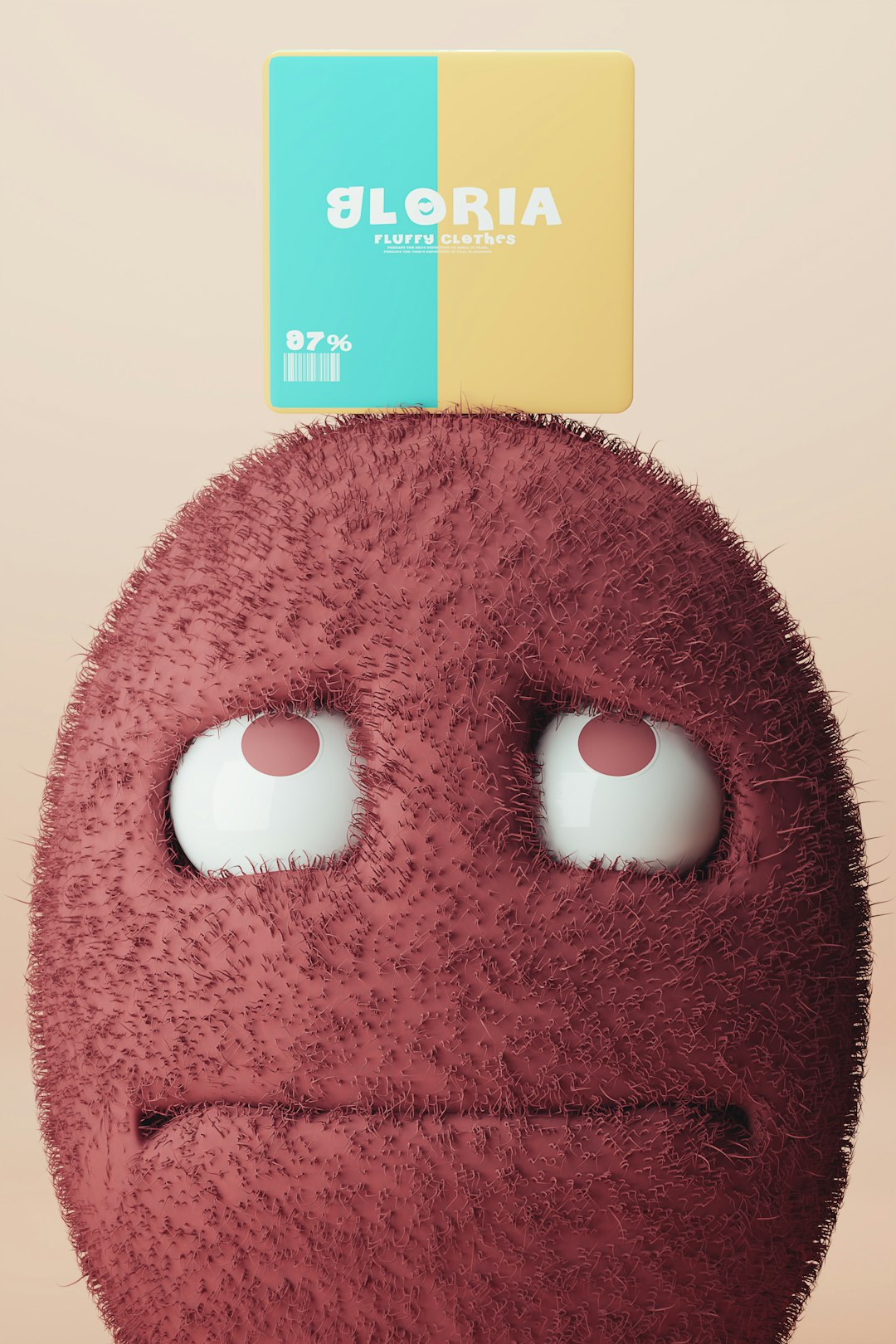
The creation process often begins with visual exploration. AI image generation tools enable filmmakers to rapidly prototype multiple character concepts using descriptive prompts.
For example, prompts can include phrases like bright blue felt puppet with googly eyes, oversized mouth, comedic expression, studio lighting. Within minutes, dozens of visual interpretations can be generated, helping art directors refine style and proportions.
When generating concept art, designers should focus on:
- Material prompts (felt, fleece, foam texture)
- Emotion descriptors (excited, mischievous, confused)
- Lighting style (studio lighting, cinematic lighting)
- Color psychology (warm tones for friendliness, cool tones for calm characters)
AI image tools accelerate ideation but should be treated as collaborative sketch partners. Human art direction ensures consistency and narrative relevance.
Step 2: 3D Modeling and Sculpting
Once a final concept is selected, the character must be translated into a 3D model. AI-assisted 3D modeling tools can convert 2D images into base meshes, significantly reducing sculpting time.
The process typically includes:
- Base mesh generation from concept art
- Digital sculpt refinement to exaggerate features
- Topology optimization for animation
- Facial rig preparation for expressive movement
Muppet-style characters benefit from simplified geometry and oversized facial controls. Designers should prioritize mouth flexibility and eyebrow movement, as these carry most of the character’s emotional weight.
AI retopology tools can automatically optimize models for animation, preserving performance quality while reducing render load.
Step 3: Texture Creation and Material Simulation
A critical element of authenticity is texture. AI-powered material generation platforms can create realistic felt, fabric, stitch patterns, and fiber noise maps.

Texture workflow generally involves:
- Generating fabric color maps
- Creating normal maps for fiber depth
- Adding subsurface scattering for soft light diffusion
- Applying subtle wear and fuzz variation
The goal is to replicate the tactile softness associated with puppets. AI material generators speed up this process by synthesizing variations quickly, enabling filmmakers to test different fiber densities and color saturation levels.
Step 4: Facial Rigging and AI-Assisted Animation
Traditional puppet performance relies heavily on skilled puppeteers. In digital filmmaking, AI animation tools replicate that spontaneity.
Modern platforms allow creators to:
- Map facial expressions from webcam performance capture
- Automatically generate lip-sync from audio files
- Enhance micro-expressions through machine learning algorithms
- Smooth motion for more organic movement
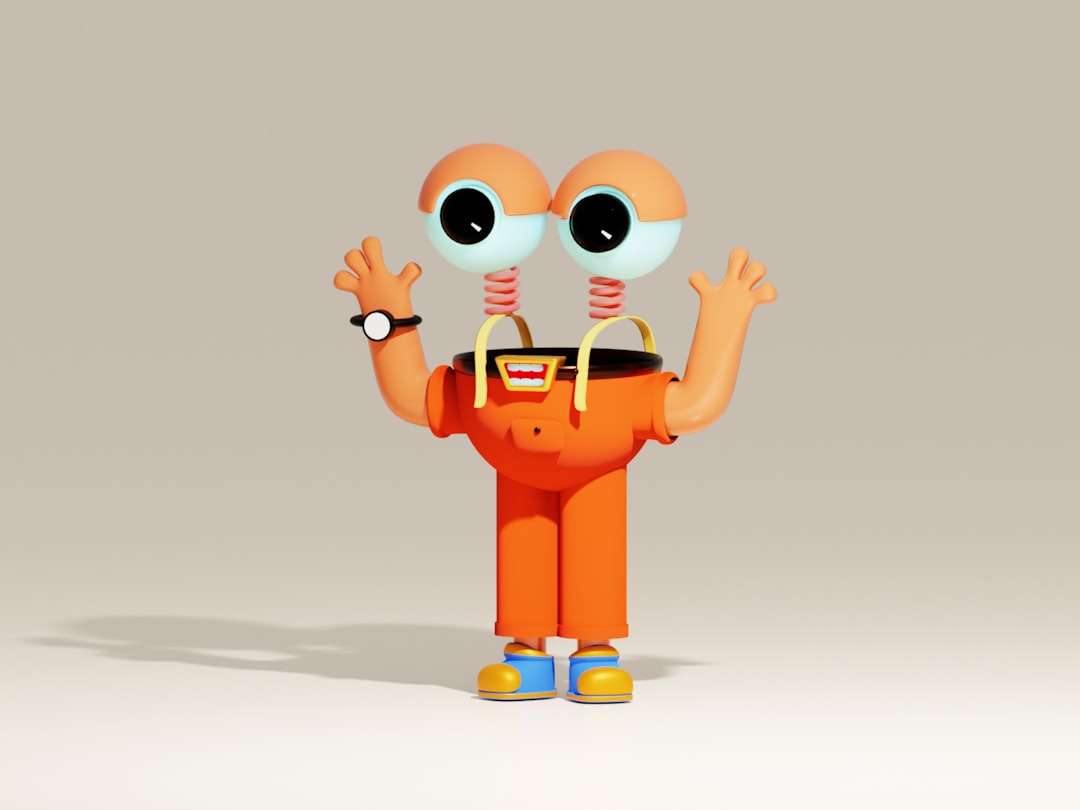
Muppet-style animation tends to emphasize:
- Exaggerated mouth shapes
- Quick head tilts
- Expressive blinking
- Bouncy body gestures
AI motion cleanup tools reduce manual keyframing, but animators should intentionally preserve slight imperfections to maintain charm.
Step 5: AI Voice Generation and Character Personality
Voice is central to puppet performance. AI voice synthesis tools now enable filmmakers to generate distinct character voices using customizable parameters such as pitch, tone, speed, and accent.
To build a believable character voice:
- Define personality traits first
- Select or train a voice model
- Adjust pacing to match puppet-style speech rhythms
- Generate multiple dialogue variations
Some creators combine AI voice drafts with human voice actors for additional authenticity. This hybrid approach often produces the most compelling results.
Step 6: Integrating Characters into Film Scenes
After modeling, texturing, animation, and voice work are complete, the character must be composited into the film environment.
Key integration considerations include:
- Lighting consistency with practical scene lights
- Shadow casting that mimics physical puppets
- Depth of field matching live camera lenses
- Subtle fabric motion simulation
AI-powered rotoscoping tools ease background separation, while machine learning lighting systems analyze scene data to match CGI character lighting automatically.
Popular AI Tools for Muppet-Style Character Creation
| Tool Category | Primary Function | Best For | Skill Level |
|---|---|---|---|
| AI Image Generators | Concept art and character exploration | Rapid prototyping | Beginner to Advanced |
| AI 3D Model Generators | Convert 2D designs into 3D meshes | Base sculpt creation | Intermediate |
| AI Texture Platforms | Fabric and material simulation | Realistic felt surfaces | Intermediate |
| AI Motion Capture Tools | Facial and body animation | Performance realism | Intermediate to Advanced |
| AI Voice Generators | Synthetic speech creation | Distinct character voices | Beginner to Intermediate |
| AI Compositing Tools | Scene integration and lighting match | Live action blending | Advanced |
Balancing AI with Human Creativity
While AI accelerates production pipelines, the heart of Muppet-style characters remains performance-driven storytelling. Technology should enhance emotion, not replace it.
Best practices include:
- Maintaining character bibles to ensure personality consistency
- Recording improvisation sessions before final animation
- Encouraging animators to exaggerate beyond realism
- Using AI as a drafting partner rather than final decision-maker
Audiences respond to sincerity and humor. The imperfections, spontaneous reactions, and expressive timing are what make puppet-style characters memorable.
Cost and Production Benefits
Historically, puppet-based filmmaking required fabrication workshops, mechanical engineers, puppeteers, and complex rig setups. AI pipelines reduce:
- Physical material costs
- Manual sculpting hours
- Voice recording logistics
- Animation cleanup time
Independent filmmakers can now produce high-quality puppet-style characters without major studio infrastructure. This democratization of tools opens creative possibilities for streaming content, short films, commercials, and educational media.
Future Trends in AI-Driven Puppet Filmmaking
Emerging technologies suggest that real-time AI puppetry will become more common. Live performance capture combined with instant rendering may soon allow filmmakers to direct puppet-style characters on set, much like traditional Muppet productions but with digital flexibility.
Advancements in AI-driven emotion modeling may also generate adaptive facial expressions based on dialogue sentiment, reducing manual animation even further.
As machine learning models advance, the gap between physical puppets and digital counterparts will continue to narrow—while preserving the whimsical style audiences love.
FAQ
1. Do creators need advanced animation skills to make Muppet-style characters with AI?
No. Many AI tools simplify complex tasks like modeling, lip-sync, and motion capture. However, understanding animation principles improves final quality significantly.
2. Can AI fully replace traditional puppeteers?
AI can replicate many performance elements, but traditional puppeteering offers improvisational nuance that technology still struggles to emulate completely. A hybrid approach often works best.
3. What makes a digital puppet look authentic?
Soft fabric textures, exaggerated expressions, visible material cues, and performance-driven animation are key authenticity factors.
4. Are AI-generated voices good enough for film production?
Modern AI voice systems are highly realistic and customizable. Many productions use them for drafts or final dialogue, sometimes blending them with human performances.
5. How long does it take to create an AI-driven puppet character?
Depending on complexity, a basic character can be developed in weeks instead of months. Full-feature film integration may require several months of polishing and testing.
6. Is this approach suitable for independent filmmakers?
Yes. AI tools reduce costs and production barriers, making high-quality puppet-style character creation accessible to smaller studios and solo creators.
By combining creativity, storytelling principles, and modern AI workflows, filmmakers can craft delightful Muppet-style characters that charm audiences while benefiting from speed, scalability, and digital efficiency.

Leave a Reply