Search engines are no longer just lists of blue links. With the rise of AI-driven search results, personalized recommendations, voice assistants, and generative answer engines, the way users discover information has fundamentally changed. Traditional SEO tracking methods are no longer enough. This is where AI search monitoring tools come into play, offering deeper visibility into how brands perform across intelligent search environments.
TLDR: AI search monitoring tools help businesses track visibility, rankings, and brand presence across AI-powered search platforms. They provide deeper insights into user intent, competitor positioning, and content performance beyond traditional keyword tracking. By using these tools, companies can optimize for emerging search experiences, protect brand reputation, and gain measurable competitive advantages. In a rapidly evolving digital landscape, AI search monitoring is becoming essential for effective SEO and analytics.
As artificial intelligence reshapes search behavior, organizations must adapt their SEO and analytics strategies. Below are five key benefits that explain why AI search monitoring tools are becoming essential for modern digital marketing teams.
- 1. Enhanced Visibility Across AI-Driven Search Environments
- 2. Deeper Insight Into User Intent and Search Patterns
- 3. Competitive Intelligence in AI Rankings
- 4. Protection of Brand Reputation and Narrative Control
- 5. Data-Driven Optimization for Emerging Search Technologies
- The Strategic Value of AI Search Monitoring
-
Frequently Asked Questions (FAQ)
- 1. What is an AI search monitoring tool?
- 2. How is AI search monitoring different from traditional SEO tracking?
- 3. Do businesses still need traditional SEO tools?
- 4. Can AI search monitoring improve ROI?
- 5. Is AI search monitoring important for small businesses?
- 6. How often should AI search performance be reviewed?
1. Enhanced Visibility Across AI-Driven Search Environments
Traditional SEO tools typically focus on tracking keyword rankings in standard search engine result pages (SERPs). However, modern search ecosystems include:
- AI-generated summaries
- Featured snippets
- Voice search responses
- Conversational AI answers
- Personalized search results
AI search monitoring tools go beyond simple ranking positions. They analyze how and where a brand appears in AI-generated responses, knowledge panels, and conversational interfaces. This gives SEO teams a more realistic understanding of true brand visibility.

For example, even if a website ranks number three for a keyword, an AI-generated summary might cite a competitor instead. Without AI monitoring, this missed opportunity would go unnoticed. Monitoring ensures businesses can detect when their content is featured—or excluded—from AI-generated results.
2. Deeper Insight Into User Intent and Search Patterns
AI-powered search engines interpret context, semantics, and user behavior far more intelligently than earlier algorithms. AI search monitoring tools help businesses understand how these systems interpret user queries and match them with content.
Instead of focusing solely on keyword frequency, these tools analyze:
- Conversational search phrases
- Long-tail query variations
- Entity relationships
- Topic clustering trends
- Search intent shifts over time
This allows marketers to optimize content for intent rather than just keywords. For example, AI monitoring may reveal that informational queries are increasingly merged with transactional intent. Businesses can then restructure content to address both needs in a single page.
By studying AI-curated results, SEO teams gain clearer guidance on how search engines interpret their industry. This leads to more strategic content planning, stronger authority positioning, and improved engagement metrics.
3. Competitive Intelligence in AI Rankings
Competition in AI-driven search spaces is not limited to traditional ranking positions. In AI-generated summaries or answer boxes, only a few sources are typically cited. Being excluded can dramatically reduce visibility.
AI monitoring tools provide competitive intelligence by tracking:
- Which competitors are cited in AI-generated answers
- How often competitor brands appear in summaries
- Content formats favored by AI systems
- Sentiment and framing of competitor mentions
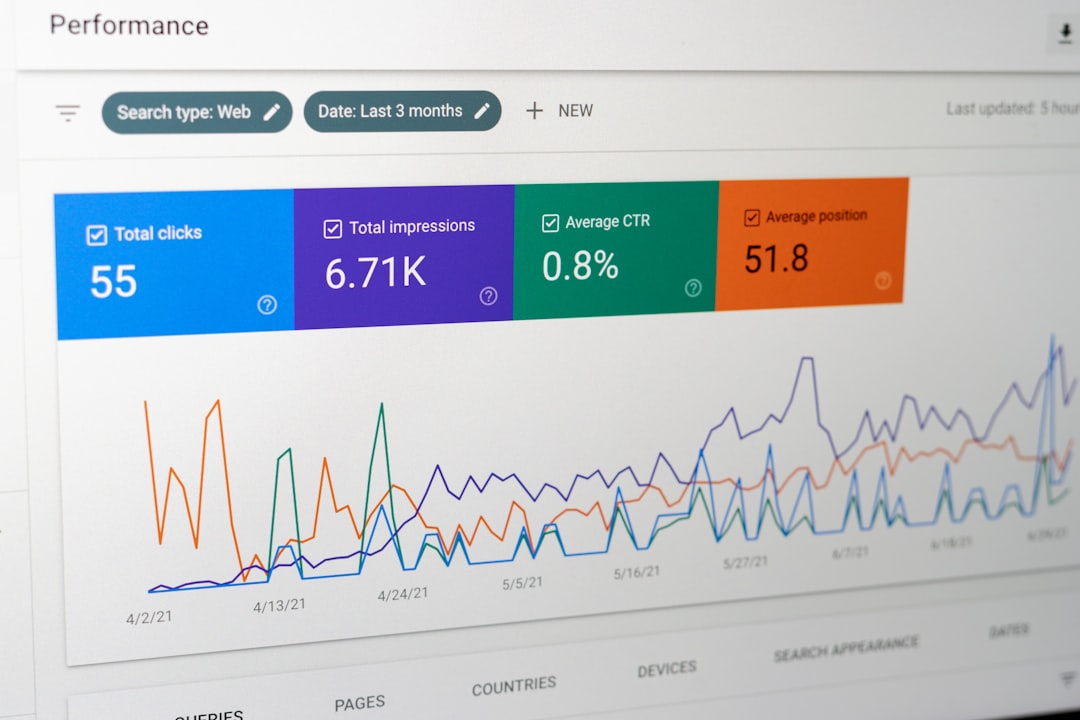
This insight allows companies to reverse-engineer winning content strategies. If AI tools frequently cite competitor blog posts with specific structures or schema markup, those patterns can inform future optimization efforts.
AI search monitoring levels the playing field by giving smaller brands visibility into how industry leaders capture AI-driven attention—and how to replicate or outperform them.
Comparison of Traditional SEO Tools vs AI Search Monitoring Tools
| Feature | Traditional SEO Tools | AI Search Monitoring Tools |
|---|---|---|
| Keyword Rank Tracking | Yes | Yes |
| AI Generated Answer Tracking | Limited or No | Yes |
| Conversational Query Analysis | Basic | Advanced |
| Entity and Semantic Mapping | Limited | Comprehensive |
| AI Citation Monitoring | No | Yes |
| Voice Search Visibility Tracking | Minimal | Integrated |
This comparison highlights a key point: AI search monitoring tools do not replace traditional SEO platforms—they enhance them with next-generation capabilities.
4. Protection of Brand Reputation and Narrative Control
AI-generated content summaries and search responses can shape public perception. If an AI system misinterprets information about a brand, the misinformation may spread rapidly across search experiences.
AI search monitoring tools allow businesses to:
- Detect inaccurate AI-generated summaries
- Monitor sentiment around brand mentions
- Track how products and services are described
- Identify inconsistencies in structured data
For instance, if an AI-generated summary incorrectly highlights outdated pricing or discontinued services, monitoring tools can flag this issue early. Brands can then update content, adjust schema markup, or clarify messaging to guide AI systems toward accurate representations.

In reputational crises, fast detection is critical. AI monitoring reduces response time, giving public relations and marketing teams a chance to correct information before it becomes widely amplified.
5. Data-Driven Optimization for Emerging Search Technologies
Search technology continues to evolve rapidly. Voice assistants, smart devices, augmented reality search, and AI chat interfaces all influence discovery pathways. AI search monitoring tools help businesses adapt proactively rather than reactively.
These tools generate actionable analytics such as:
- Performance in voice search results
- Engagement trends from AI-referred traffic
- Content types favored in generative responses
- Query patterns across devices
- Regional AI visibility differences
With this data, SEO teams can:
- Refine structured data implementation
- Strengthen topic authority across content clusters
- Improve E-E-A-T signals (Experience, Expertise, Authoritativeness, Trustworthiness)
- Adjust technical SEO to align with AI indexing patterns
The result is more resilient search performance. Instead of fearing algorithm updates, businesses equipped with AI monitoring tools can identify trends early and respond strategically.
The Strategic Value of AI Search Monitoring
The integration of AI into search is not a temporary shift—it represents a structural transformation. Monitoring tools designed specifically for AI-driven search environments provide a clearer, more nuanced picture of digital performance.
The five key benefits can be summarized as:
- Expanded visibility tracking across AI-generated results
- Improved understanding of user intent
- Advanced competitive intelligence
- Brand reputation protection
- Future-proof optimization strategies
Organizations that adopt AI search monitoring gain a crucial advantage: clarity. In a landscape where AI increasingly decides what users see first, visibility data must evolve accordingly.
Frequently Asked Questions (FAQ)
1. What is an AI search monitoring tool?
An AI search monitoring tool tracks how brands, keywords, and content appear in AI-driven search environments such as generative search summaries, voice assistants, and conversational interfaces. It goes beyond traditional ranking data to provide deeper visibility insights.
2. How is AI search monitoring different from traditional SEO tracking?
Traditional SEO tracking focuses primarily on keyword rankings in standard SERPs. AI search monitoring analyzes citations in AI-generated responses, semantic context, conversational queries, and brand mentions across intelligent systems.
3. Do businesses still need traditional SEO tools?
Yes. AI search monitoring tools are complementary, not replacements. Traditional tools handle technical SEO audits and backlink analysis, while AI tools provide advanced insights into AI-driven visibility and performance.
4. Can AI search monitoring improve ROI?
Yes. By identifying underperforming content, uncovering AI citation opportunities, and refining optimization strategies, businesses can increase organic visibility and drive higher-quality traffic, leading to measurable ROI improvements.
5. Is AI search monitoring important for small businesses?
Absolutely. Smaller businesses can use these tools to compete more effectively by understanding how AI platforms represent their brand and identifying opportunities to appear in high-visibility AI-generated responses.
6. How often should AI search performance be reviewed?
Given the speed of AI and algorithm updates, performance should be monitored continuously with weekly or monthly reporting. Regular analysis ensures timely adjustments and sustained visibility.
As AI continues to redefine digital discovery, proactive monitoring becomes less of an option and more of a necessity. Businesses that invest in AI search monitoring tools today position themselves for stronger, smarter, and more sustainable search performance tomorrow.



Leave a Reply