SEO audits sound boring. They can feel like a dentist visit for your website. Necessary. Slightly painful. Easy to postpone. But when done wrong, they can quietly kill your traffic.
An SEO audit should uncover problems. Not create new ones. Yet many site owners make the same simple mistakes again and again.
TLDR: Many SEO audits fail because they focus on the wrong data, ignore technical basics, or chase outdated tactics. Common mistakes include ignoring search intent, skipping technical errors, and obsessing over vanity metrics. The fix is simple: focus on users, clean up technical issues, track the right numbers, and use the right tools. Smart audits lead to steady traffic growth.
Let’s break down six SEO audit mistakes that hurt traffic—and how to fix them.
- 1. Focusing on Rankings Instead of Intent
- 2. Ignoring Technical SEO Basics
- 3. Auditing Without Looking at Data Trends
- 4. Obsessing Over Vanity Metrics
- 5. Not Auditing Content Quality Properly
- 6. Using the Wrong Tools (Or Too Many)
- Bonus Mistake: Not Creating an Action Plan
- How a Proper SEO Audit Should Feel
- Final Thoughts
1. Focusing on Rankings Instead of Intent
It’s exciting to see your site rank #3 for a keyword.
But here’s the real question: Does that keyword bring the right visitors?
Many audits focus only on rankings. They check positions. They celebrate small jumps. But they forget search intent.
Search intent is the why behind a search.
- Is the user looking to buy?
- To learn?
- To compare?
- To solve a problem?
If your content does not match intent, rankings won’t matter. Visitors will bounce. Conversions drop. Google notices.

How to Fix It
- Search your target keywords manually. Look at the top 5 results. What type of content ranks?
- Match format. If listicles dominate, create a listicle. If product pages dominate, don’t write a blog post.
- Analyze bounce rate and time on page. Poor engagement often means intent mismatch.
Ranking is nice. Relevance is better.
2. Ignoring Technical SEO Basics
You can have amazing content. But if search engines can’t crawl or index your site properly, it won’t matter.
Many audits skim technical SEO. Or skip it entirely. Big mistake.
Common technical issues include:
- Broken links
- Slow page speed
- Duplicate content
- Missing sitemap
- Incorrect robots.txt settings
- Pages blocked from indexing
These problems quietly suffocate traffic.

How to Fix It
- Run a full crawl using tools like Screaming Frog or Sitebulb.
- Check Google Search Console for indexing errors.
- Fix 404 errors or redirect them properly.
- Improve site speed using compressed images and caching.
- Submit an updated XML sitemap.
Think of technical SEO as plumbing. Invisible. But essential.
3. Auditing Without Looking at Data Trends
Snapshots lie.
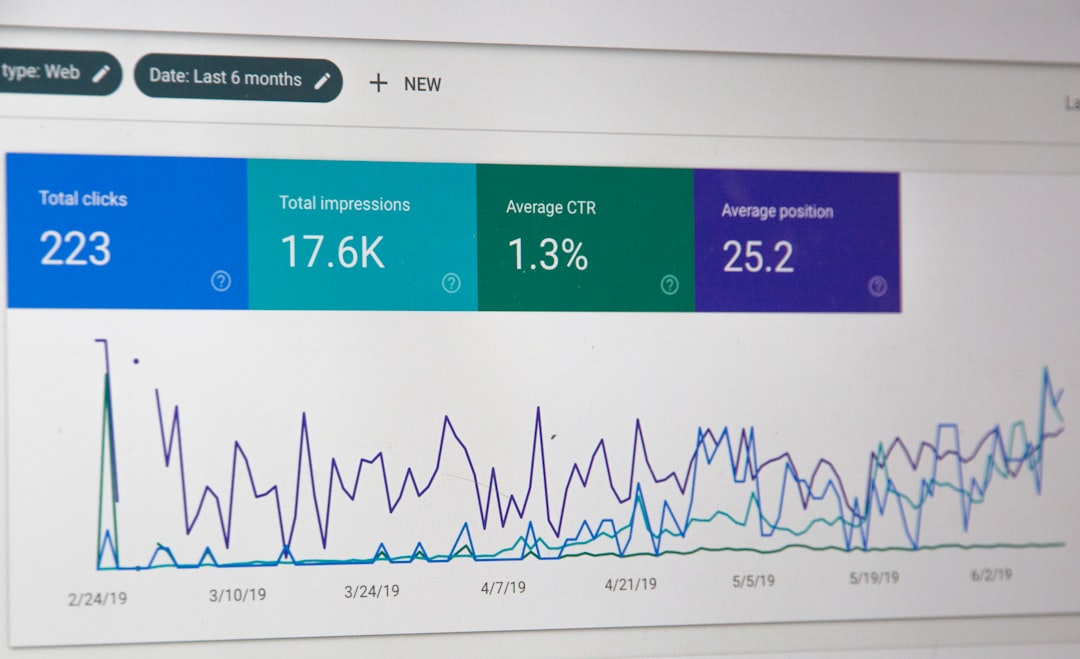
Many audits look at data from just the last 30 days. That is not enough. SEO is slow. It moves in trends.
If traffic drops 15% this month, is it a disaster? Maybe. Or maybe it’s seasonal.
Without historical comparison, you guess instead of analyze.
How to Fix It
- Compare at least 6–12 months of data.
- Check year-over-year traffic if possible.
- Identify patterns across seasons.
- Segment by device, page type, and channel.
Context turns panic into clarity.
4. Obsessing Over Vanity Metrics
More impressions. More page views. More keywords ranked.
Sounds good, right?
But none of that guarantees growth.
Vanity metrics look impressive in reports. But they do not always drive revenue or leads.
For example:
- Ranking for 1,000 irrelevant keywords
- Getting traffic from the wrong country
- High page views with zero conversions
This is SEO sugar. It tastes nice. It does not nourish.
How to Fix It
- Track conversions, not just traffic.
- Measure revenue per page.
- Analyze assisted conversions in Google Analytics.
- Focus on high-intent keywords.
Good SEO brings business results. Not just pretty graphs.
5. Not Auditing Content Quality Properly
Some audits count word length. Others count keywords.
But they forget depth, usefulness, and freshness.
Google rewards helpful content. Not bloated content.
Common content mistakes include:
- Outdated statistics
- Thin blog posts under 500 words
- Keyword stuffing
- No internal linking strategy
- No clear structure
How to Fix It
- Update old posts with new data.
- Add internal links to related articles.
- Improve readability with short paragraphs.
- Add FAQs that match real search queries.
- Remove or merge weak pages.
Sometimes deleting content improves traffic. Less clutter. More authority.
6. Using the Wrong Tools (Or Too Many)
Tools are powerful. But they can confuse you.
Some audits rely on a single tool. Others use ten different ones and drown in data.
You need balance.
Each tool has strengths and weaknesses.
Popular SEO Audit Tools Comparison
| Tool | Best For | Strength | Limitation |
|---|---|---|---|
| Google Search Console | Performance Data | Direct Google data | Limited competitor insights |
| Screaming Frog | Technical SEO | Deep site crawling | Manual setup required |
| Ahrefs | Backlinks and Keywords | Strong competitor analysis | Expensive |
| SEMrush | All in one audits | Comprehensive reporting | Overwhelming data |
| PageSpeed Insights | Site Speed | Core Web Vitals insights | Narrow focus |
How to Fix It
- Use Google Search Console as your foundation.
- Add one technical crawler.
- Use one competitor research tool.
- Ignore metrics you do not act on.
Tools should clarify. Not distract.
Bonus Mistake: Not Creating an Action Plan
This one hurts the most.
You run the audit. You get a 40-page report. You feel productive.
Then nothing happens.
An audit without action is just documentation.
How to Fix It
- Prioritize issues by impact and effort.
- Classify them as High, Medium, Low.
- Assign deadlines.
- Track fixes in a shared document.
Small fixes stack up. Over time, they create massive gains.
How a Proper SEO Audit Should Feel
A good audit feels clear. Focused. Strategic.
It should answer three simple questions:
- What is broken?
- What is underperforming?
- What can grow faster?
If your audit report feels confusing, it probably lacks direction.
SEO does not have to be complicated. It rewards consistency more than genius.
Final Thoughts
Traffic drops rarely happen overnight. They usually result from small ignored issues.
The good news? The fixes are often simple.
Match search intent. Clean your technical errors. Focus on meaningful metrics. Improve content quality. Use the right tools. Take action.
Audit smarter, not harder.
Your website will thank you. And so will your traffic reports.



Leave a Reply