Modern manufacturing is a high-stakes balancing act. Raw materials must arrive on time, machines must run efficiently, employees need accurate schedules, and customers expect precise delivery dates. To coordinate these moving parts, many enterprises rely on robust Enterprise Resource Planning (ERP) systems like SAP. Building a manufacturing ERP system similar to SAP involves far more than coding inventory tables—it requires deep integration of production workflows, financial tracking, supply chain operations, and real-time analytics into a centralized digital backbone.
TLDR: Manufacturing ERP software like SAP integrates production planning, inventory control, procurement, finance, and workforce management into one unified platform. It enables real-time visibility, automation, and data-driven decisions across factory operations. Building such a system requires modular architecture, strong process modeling, scalability, and tight integration between departments. When done right, it becomes the operational brain of a manufacturing business.
- The Role of ERP in Modern Manufacturing
- Core Components of Manufacturing ERP Software
- Architectural Considerations When Developing ERP Software
- Integration with Industry 4.0 Technologies
- User Experience and Change Management
- Data Security and Compliance
- Challenges in Developing Manufacturing ERP
- The Strategic Value of Manufacturing ERP
- Looking Ahead: The Future of ERP in Manufacturing
- Conclusion
The Role of ERP in Modern Manufacturing
An ERP system for manufacturing is not just a database—it is a strategic control center. It connects departments that traditionally worked in silos and synchronizes their data into a consistent flow of information.
Key functions include:
- Production Planning and Scheduling
- Material Requirements Planning (MRP)
- Inventory and Warehouse Management
- Procurement and Supplier Management
- Quality Management
- Financial Accounting and Cost Control
- Human Resource and Workforce Allocation
In traditional environments, each of these areas might operate separately. A manufacturing ERP centralizes them, ensuring that a change in production automatically updates inventory, procurement forecasts, and financial records.
Core Components of Manufacturing ERP Software
Building ERP software similar to SAP requires designing interconnected modules that can function independently yet communicate seamlessly.
1. Production Planning and Control
This is the heartbeat of any manufacturing ERP system. It transforms sales orders and demand forecasts into actionable production schedules.
Essential features include:
- Bill of Materials (BOM) management
- Routing and work center planning
- Capacity planning
- Shop floor data collection
- Real-time production tracking
Production planners rely on accurate data from inventory and procurement modules to avoid downtime. Therefore, tight integration is critical.
2. Material Requirements Planning (MRP)
MRP ensures that the right materials are available at the right time. It calculates demand based on existing orders, production schedules, and current stock levels.
A well-designed MRP engine:
- Reduces excess inventory
- Prevents stockouts
- Generates automated purchase orders
- Aligns delivery dates with production cycles
Complex manufacturing environments may require multi-level MRP to manage components, sub-assemblies, and finished goods simultaneously.
3. Inventory and Warehouse Management
ERP systems track materials from receiving docks to finished goods shipment. Accurate inventory data is crucial for operational efficiency and financial reporting.
Advanced capabilities may include:
- Barcode and RFID tracking
- Batch and serial number traceability
- Lot management for regulated industries
- Automated stock reconciliation
Without this integration, manufacturing companies risk production delays and costly write-offs.
4. Financial Integration
One of SAP’s greatest strengths is its robust financial integration. Manufacturing ERP systems must connect operational activities with accounting processes.
For example:
- Issuing materials updates cost of goods sold
- Production completion adjusts inventory valuation
- Procurement triggers accounts payable entries
- Sales shipments generate accounts receivable records
This integration enables real-time cost analysis and profitability tracking at the product or production line level.
Image not found in postmetaArchitectural Considerations When Developing ERP Software
Developing ERP software like SAP requires architectural planning that supports scalability, customization, and performance under heavy data loads.
Modular Design
A modular architecture allows businesses to implement components gradually. For instance, a company might first adopt inventory and production modules before adding advanced analytics or human resource management.
Benefits of modular design include:
- Flexible deployment
- Easier upgrades and maintenance
- Simplified customization
- Reduced implementation risk
Real-Time Data Processing
Modern manufacturing environments demand real-time visibility. Machine sensors, barcode scanners, and IoT devices constantly feed data into the ERP system.
To handle this, developers must:
- Optimize database structures
- Use event-driven architecture
- Implement caching and performance tuning strategies
Cloud vs. On-Premise Deployment
Manufacturing ERP systems can be deployed in the cloud or hosted on-premise. Cloud-based systems offer:
- Lower upfront infrastructure costs
- Automatic updates
- Scalability across locations
Meanwhile, on-premise deployments may appeal to organizations requiring heightened data control or compliance with industry regulations.
Integration with Industry 4.0 Technologies
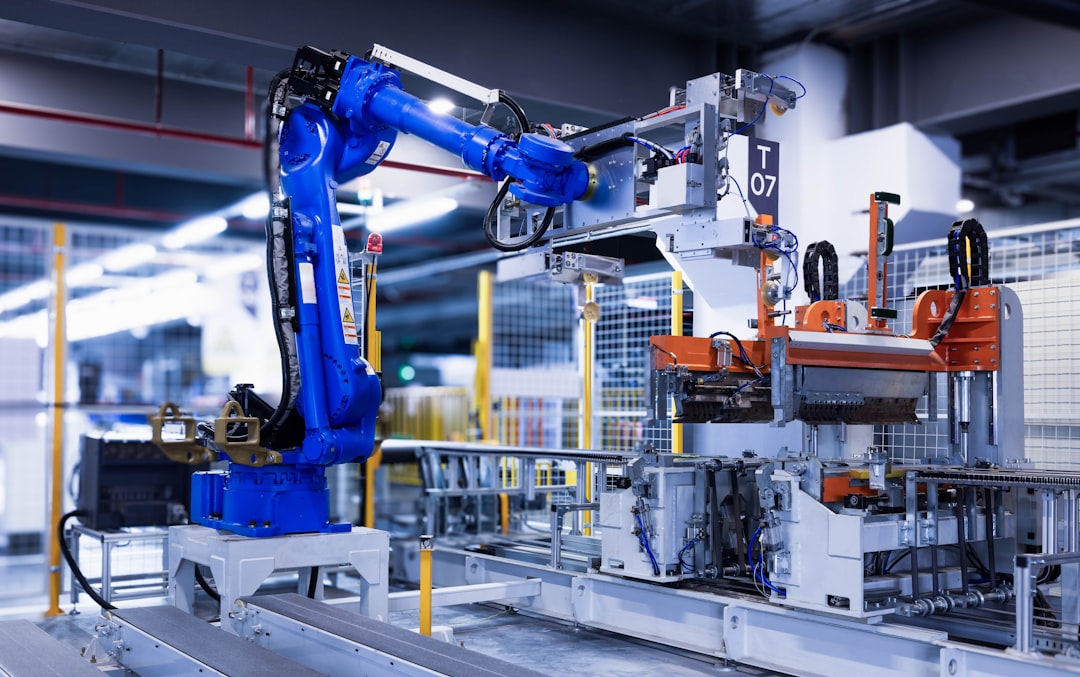
Modern ERP solutions must interface with emerging technologies such as IoT, robotics, and predictive analytics. Manufacturing plants increasingly rely on smart devices and automated equipment.
An advanced ERP system can:
- Collect real-time machine performance data
- Predict maintenance needs using AI algorithms
- Optimize energy consumption
- Improve quality control through automated inspections
This level of intelligence transforms ERP from a passive management tool into an active driver of operational excellence.
User Experience and Change Management
One of the overlooked aspects of building ERP software like SAP is the human element. Manufacturing workers, supervisors, and executives must interact with the system daily. If the interface is too complex, adoption rates plummet.
Key user experience principles include:
- Simplified dashboards tailored to user roles
- Mobile accessibility for shop floor managers
- Clear workflow visualization
- Minimal manual data entry through automation
Equally important is change management. Implementing manufacturing ERP involves reshaping established processes. Training programs, pilot phases, and executive sponsorship are essential for a successful rollout.
Data Security and Compliance
Manufacturing ERP systems manage sensitive financial records, production formulas, supplier contracts, and employee information. Security must be embedded at every level.
Critical measures include:
- Role-based access control
- Data encryption
- Multi-factor authentication
- Regular audit trails
- Compliance with industry standards
For industries such as pharmaceuticals, automotive, or aerospace, traceability and documentation are not optional—they are regulatory necessities.
Challenges in Developing Manufacturing ERP
Building software comparable to SAP is a complex undertaking. Common challenges include:
- Customization vs. Standardization: Too much customization increases maintenance costs, while too little may not meet industry-specific needs.
- Legacy System Integration: Many factories rely on outdated systems that must be connected or replaced.
- Data Migration: Historical data must be cleaned and structured before import.
- Performance Optimization: Large-scale manufacturing generates immense volumes of data.
Developers must strike a balance between flexibility and system integrity.
The Strategic Value of Manufacturing ERP
Beyond operational control, ERP provides strategic insight. Executives can analyze performance metrics such as:
- Overall Equipment Effectiveness (OEE)
- Production cycle times
- Material wastage rates
- Supplier performance
- Profit margins by product line
This transparency allows companies to move from reactive problem-solving to proactive optimization.
When manufacturers implement ERP successfully, they often experience:
- Reduced operational costs
- Improved on-time delivery rates
- Better inventory turnover
- Increased production visibility
- Enhanced collaboration between departments
Looking Ahead: The Future of ERP in Manufacturing
The future of manufacturing ERP lies in intelligent automation. Artificial intelligence, machine learning, and advanced analytics will enable systems to make recommendations—and even autonomous adjustments—in real time.
Imagine an ERP that:
- Automatically reroutes production due to machine failure
- Negotiates supplier contracts based on predictive pricing models
- Reallocates workforce schedules dynamically
- Continuously fine-tunes production parameters to reduce waste
Such capabilities are already emerging, and the line between ERP and smart factory management systems continues to blur.
Conclusion
Manufacturing ERP software like SAP represents far more than a business management tool—it is the digital foundation of industrial operations. By integrating production workflows, resource management, financial tracking, and advanced analytics, it enables manufacturers to operate with precision and agility.
Developing such a system requires thoughtful architecture, modular design, real-time data integration, and a deep understanding of manufacturing processes. When successfully implemented, it empowers companies to streamline operations, reduce costs, and adapt to rapidly evolving global markets.
In an era defined by automation and data-driven decisions, manufacturing ERP systems are no longer optional. They are indispensable engines of efficiency, innovation, and sustainable growth.



Leave a Reply