Serverless architectures have fundamentally changed how modern applications are built and deployed. By abstracting away infrastructure management, platforms such as AWS Lambda, Azure Functions, and Google Cloud Functions enable teams to ship faster and scale dynamically. However, this abstraction also introduces new monitoring and observability challenges. Traditional monitoring tools often fall short in ephemeral, event-driven environments where execution contexts are short-lived and distributed.
TLDR: Serverless workloads demand specialized monitoring tools that understand ephemeral compute, distributed tracing, and event-driven architectures. While Dashbird is a popular choice, several powerful alternatives offer deeper observability, broader integrations, and advanced tracing features. Platforms like Datadog, Lumigo, New Relic, Thundra, Epsagon, and Dynatrace provide comprehensive visibility into serverless applications. Choosing the right tool depends on your environment, budget, and required level of diagnostic granularity.
Below are six strong serverless monitoring platforms like Dashbird that provide robust observability for modern cloud-native teams.
1. Datadog
Datadog has evolved into one of the most comprehensive observability platforms on the market. While it is not exclusively serverless-focused, its deep integration with AWS Lambda, Azure Functions, and Google Cloud Functions makes it an excellent alternative to Dashbird.
Its serverless monitoring capabilities provide:
- End-to-end distributed tracing across microservices
- Real-time metrics aggregation for function invocations
- Cold start visibility and execution duration insights
- Log correlation between functions and downstream services
- Anomaly detection powered by machine learning
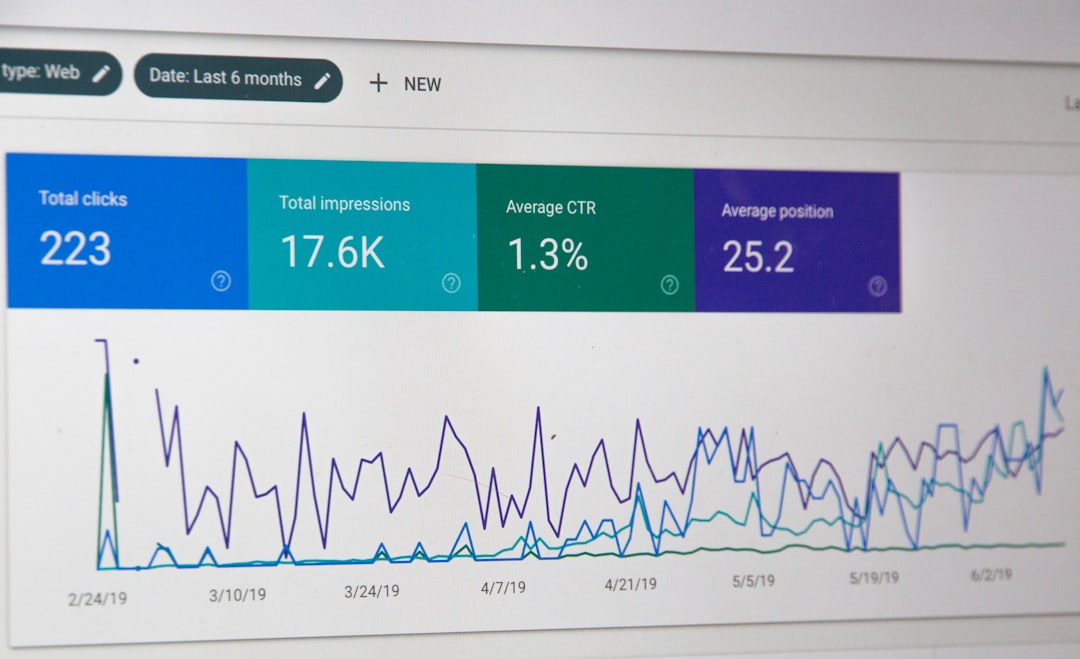
Datadog’s strength lies in its unified platform. Teams can monitor infrastructure, Kubernetes clusters, containers, and serverless workloads from a single interface. For organizations running hybrid architectures, this integrated approach provides consistency and reduces tool sprawl.
However, Datadog’s pricing structure can scale quickly, particularly in high-volume environments where function invocations generate large telemetry datasets. It is particularly well-suited for enterprises seeking comprehensive observability across their entire stack.
2. Lumigo
Lumigo is purpose-built for serverless and cloud-native applications. Unlike broader observability platforms, Lumigo focuses deeply on AWS Lambda and serverless microservices.
Key capabilities include:
- Automatic distributed tracing without manual instrumentation
- Visual transaction mapping across services
- Error root cause analysis in event-driven workflows
- Infrastructure-as-code integration
- Security monitoring for serverless environments
Lumigo differentiates itself through simplicity and clarity. Setup is lightweight, and teams can often gain meaningful insights within minutes. Its transaction maps provide intuitive visualization of service calls, which is critical in event-driven, asynchronous architectures where standard debugging tools may struggle.
Companies heavily invested in AWS ecosystems often find Lumigo a streamlined and focused alternative to Dashbird.
3. New Relic
New Relic is one of the oldest players in application performance monitoring (APM), and it has successfully adapted to the cloud-native era. Its serverless monitoring capabilities extend across AWS, Azure, and Google Cloud.
New Relic’s strengths include:
- Full-stack observability in one platform
- Serverless invocation tracing
- Custom dashboards and query flexibility
- Powerful telemetry data exploration via NRQL
- Integrated error tracking
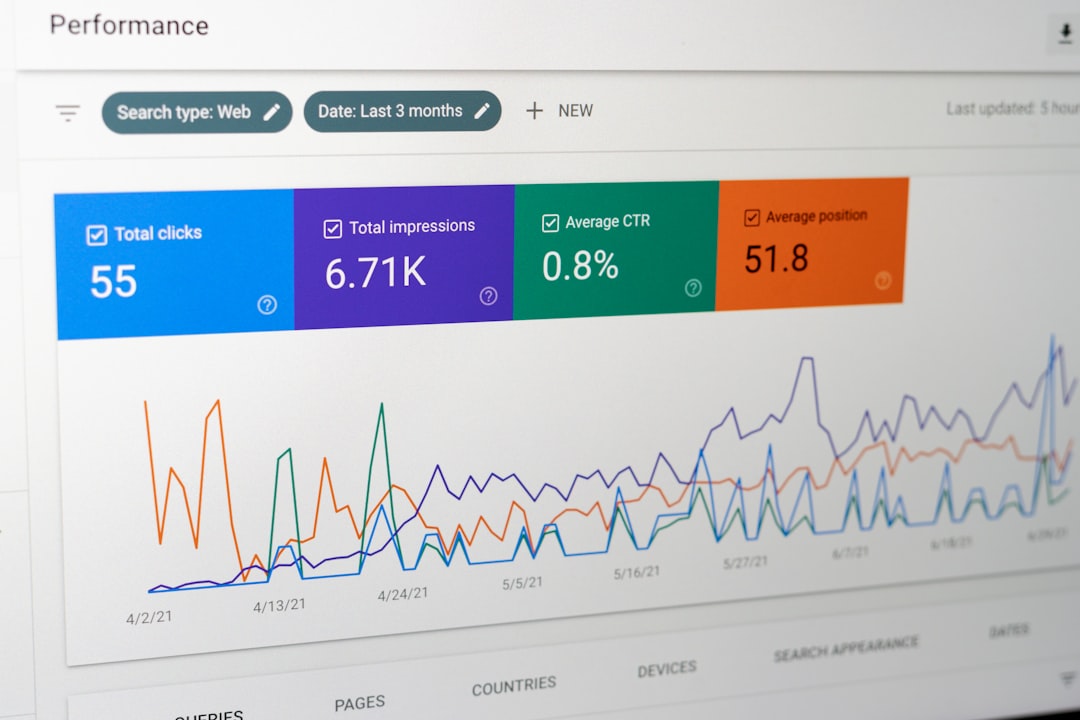
A major benefit of New Relic is its unified telemetry model. Logs, metrics, events, and traces are stored in a single database, simplifying correlation and reducing complexity. This is particularly beneficial in large-scale serverless applications where functions interact with databases, APIs, and message queues.
The platform is also well-suited for development teams that require highly customizable dashboards and advanced querying capabilities. Its flexible pricing tiers make it accessible to both startups and enterprise teams.
4. Thundra
Thundra offers a deep, performance-oriented approach to serverless monitoring. It combines observability with debugging and testing tools tailored to Lambda-heavy architectures.
Notable features include:
- Code-level insights without code changes
- Time-travel debugging for deeper root cause investigation
- Cold start detection and optimization insights
- Managed detection of performance bottlenecks
- Serverless security monitoring
Thundra takes observability beyond metrics. Its debugging and profiling capabilities allow teams to drill down to performance anomalies in memory allocation, CPU usage, and invocation flows. For performance-sensitive applications—such as financial platforms or real-time APIs—this extra depth can be invaluable.
Organizations that prioritize proactive debugging and performance tuning over high-level metrics dashboards may find Thundra a particularly compelling Dashbird alternative.
5. Epsagon (Cisco Observability)
Epsagon, now part of Cisco’s observability suite, was built specifically to monitor containers and serverless workloads in cloud-native systems. It focuses on distributed tracing and performance optimization across dynamic environments.
Core capabilities include:
- Automatic tracing across services
- Container and Kubernetes monitoring
- AI-driven anomaly detection
- Dependency mapping
- Cross-cloud visibility

Epsagon is especially useful for teams operating hybrid workloads where containers and serverless coexist. It automatically builds service maps that visualize how Lambda functions communicate with APIs, databases, and message brokers, providing a high-level view of architectural health.
This broader ecosystem perspective makes it ideal for organizations transitioning from container-based systems to serverless architectures.
6. Dynatrace
Dynatrace brings enterprise-grade observability powered by advanced AI and automation. Its Davis AI engine continuously analyzes telemetry data to detect patterns, anomalies, and root causes.
Its serverless monitoring features include:
- Automatic instrumentation of Lambda functions
- AI-powered root cause analysis
- Smart dependency mapping
- Infrastructure and application correlation
- Enterprise-scale dashboards
Dynatrace excels in large, complex environments where manual troubleshooting becomes inefficient. Rather than merely displaying metrics, it attempts to identify why an issue occurred and surfaces prioritized problems automatically.
For enterprises operating at scale with strict service-level objectives (SLOs) and compliance requirements, Dynatrace provides a mature, highly automated solution.
Choosing the Right Dashbird Alternative
While each platform provides observability for serverless systems, the optimal choice depends on several factors:
- Cloud Provider: Some platforms are AWS-centric, while others support multi-cloud architectures.
- Budget: Telemetry-heavy systems can cause monitoring costs to escalate quickly.
- Team Size: Smaller teams may prefer simplicity, while enterprise teams may require deep analytics.
- Existing Toolchain: Consider compatibility with CI/CD pipelines, IaC tools, and container platforms.
- Debugging Depth: Do you need high-level alerts or code-level diagnosis?
Serverless systems can fail silently, degrade gradually, or experience unpredictable latency spikes due to cold starts, downstream service failures, or concurrency limits. Monitoring solutions must offer not just metrics, but context.
Evaluating tools through a proof-of-concept deployment is strongly recommended. Real-world workloads will reveal which platform delivers actionable insights versus noise.
Why Observability Matters in Serverless
In traditional infrastructure, teams could log into servers, analyze logs directly, and inspect system resources. In serverless, the infrastructure is invisible and ephemeral. Functions may execute thousands of times per minute, across dynamically allocated instances.
This shift makes observability more critical than ever. Monitoring must include:
- Distributed tracing for asynchronous workflows
- Real-time metrics for invocations and durations
- Error aggregation with actionable stack traces
- Dependency visibility across microservices
- Cost monitoring tied to function usage
Without dedicated serverless monitoring, performance bottlenecks may remain hidden, error patterns may go unnoticed, and cloud bills may grow unexpectedly.
Final Thoughts
Dashbird remains a respected solution for monitoring AWS Lambda environments, but it is far from the only option available. Platforms like Datadog and New Relic offer broad full-stack observability. Lumigo and Thundra provide serverless-specific depth. Epsagon bridges containers and serverless systems, while Dynatrace delivers enterprise AI-powered automation.
As serverless adoption continues to rise, observability will increasingly differentiate high-performing teams from struggling ones. Selecting the right monitoring platform is not merely a technical decision—it is a strategic investment in application reliability, security, and customer experience.
By evaluating your architecture, scale, and operational maturity, you can confidently choose a serverless monitoring platform that ensures visibility, performance, and resilience in an increasingly distributed cloud landscape.

Leave a Reply