In 2026, global brands face a difficult balancing act: they must look, sound, and feel consistent across countries while still respecting local languages, cultures, regulations, buying habits, and platform expectations. As marketing teams produce more content for more channels, the risk of inconsistent visuals and messaging grows. Market-aware design tools are emerging as a practical response, helping organizations adapt creative assets intelligently without losing the core identity of the brand.
TLDR: Market-aware design tools can improve global brand consistency in 2026 by combining brand governance with local market intelligence. They help teams adapt colors, layouts, copy, imagery, and compliance details for different regions while preserving a shared brand system. Their value depends on strong brand guidelines, quality data, cultural oversight, and human review. They are not a replacement for strategy, but they can make consistent global execution faster, safer, and more scalable.
- Why Global Brand Consistency Is Harder in 2026
- What Market-Aware Design Tools Actually Do
- How These Tools Improve Consistency
- The Role of AI in 2026
- Benefits for Global Marketing Teams
- The Limits and Risks
- What Makes a Tool Truly Market-Aware?
- Impact on Agencies and Local Teams
- Will They Improve Global Brand Consistency?
- Conclusion
- FAQ
Why Global Brand Consistency Is Harder in 2026
Brand consistency once meant using the same logo, colors, typefaces, and slogans across markets. In 2026, that definition is much broader. A brand may need to appear on social video, ecommerce listings, connected TV, in-app ads, digital billboards, print packaging, influencer content, customer support interfaces, and localized landing pages. Each format has different technical requirements, audience expectations, and cultural signals.
At the same time, international audiences expect brands to feel relevant. A campaign that performs well in Germany may not resonate in Brazil, Japan, India, or the United Arab Emirates. Language length affects layout. Symbolism changes by culture. Seasonal promotions differ by hemisphere. Legal disclaimers vary by region. Even color psychology and image preferences can shift from one market to another.
This creates a tension between global control and local flexibility. If headquarters controls everything too tightly, regional teams may produce campaigns that feel generic or disconnected. If local teams have too much freedom, the brand can fragment into inconsistent versions. Market-aware design tools aim to reduce that tension.
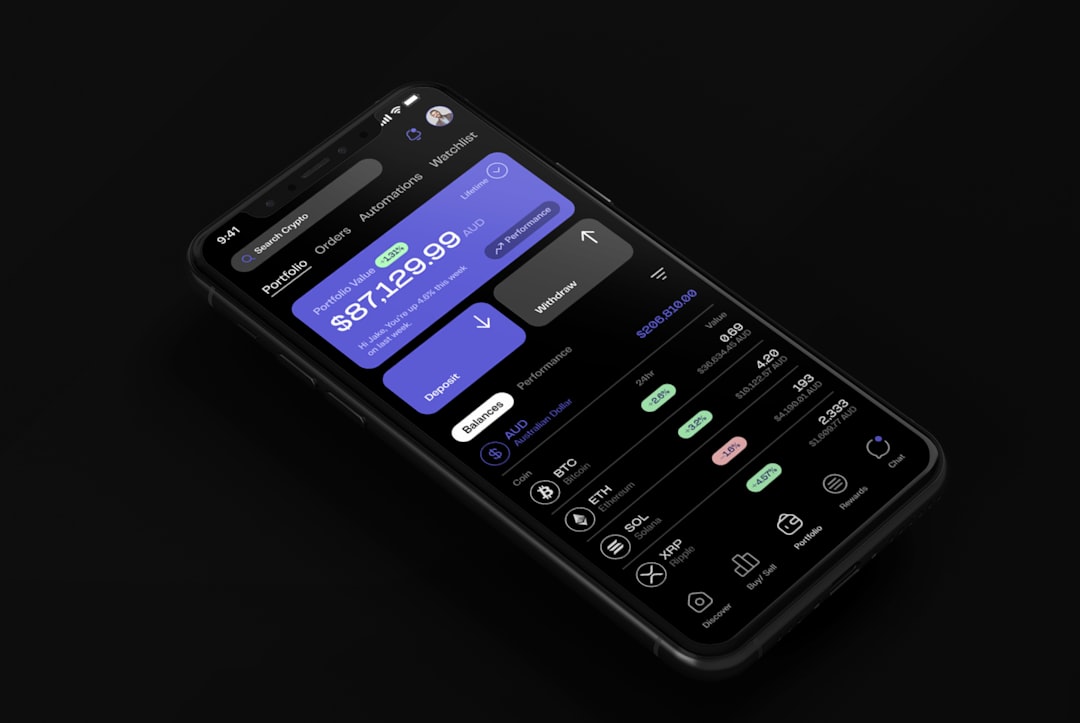
What Market-Aware Design Tools Actually Do
Market-aware design tools are digital platforms that combine design automation, brand asset management, localization support, market data, and approval workflows. Unlike simple template editors, these systems do not only store approved logos and fonts. They help determine how a design should be adapted for a specific audience, channel, or region.
For example, a market-aware tool may recognize that a social ad for South Korea should prioritize mobile-first vertical layouts, shorter visual text, and platform-specific sizing. A campaign for France may require different legal copy. A product banner for the Middle East may need right-to-left language support and culturally appropriate imagery. A retail promotion in Canada may require bilingual variants.
Common features include:
- Brand rule enforcement: Approved logos, color palettes, typography, spacing, tone, and visual hierarchy are embedded into templates.
- Localization intelligence: The tool supports language expansion, translation review, regional date formats, currency, and cultural differences.
- Channel adaptation: Assets are resized and reformatted for social platforms, ecommerce marketplaces, email, display ads, packaging, and print.
- Compliance checks: Regional disclaimers, regulated claims, accessibility standards, and usage restrictions are flagged before publication.
- Workflow governance: Local teams can create variations while central brand teams maintain visibility and approval control.
- Performance feedback: Market results can guide future design decisions, helping teams understand what works locally without abandoning global identity.
How These Tools Improve Consistency
The main benefit of market-aware design tools is that they make consistency easier to operationalize. Brand guidelines often live in static PDF documents or web portals that teams may ignore when deadlines are tight. A market-aware tool brings those rules into the creative process itself. Instead of asking every designer, marketer, agency, and local office to manually interpret guidelines, the system applies many of those rules automatically.
Consistency improves because approved elements become the default. Teams select from authorized templates, imagery, icons, color combinations, and copy structures. The system may prevent a logo from being stretched, block unapproved fonts, or warn when contrast does not meet accessibility standards. This reduces accidental brand drift.
These tools also improve consistency by making localization more structured. Instead of creating one global campaign and allowing each region to modify it independently, a brand can define which elements are fixed and which can change. For example, the logo, product photography style, and core message may remain consistent, while headlines, models, background scenes, offers, and legal text can vary by market.
This approach supports what many global marketers call freedom within a framework. Local teams gain enough flexibility to make campaigns relevant, but they operate inside boundaries that protect recognition and trust.
The Role of AI in 2026
Artificial intelligence is a major reason market-aware design tools are gaining attention in 2026. AI can generate layout variations, suggest localized copy, recommend image crops, translate drafts, detect brand violations, and analyze creative performance at scale. It can also help teams produce many asset versions quickly, which is essential when campaigns must run across dozens of countries and hundreds of digital placements.
However, AI does not automatically understand brand meaning or cultural nuance. It may suggest an image that is technically attractive but inappropriate for a region. It may translate a phrase accurately but miss the emotional tone. It may over-optimize for clicks while weakening long-term brand equity. For that reason, the strongest systems use AI as an assistant, not as the final decision-maker.
Human review remains essential, especially for high-visibility campaigns, sensitive markets, regulated industries, and culturally specific messaging. Local experts, brand managers, legal teams, and creative directors still provide judgment that software cannot fully replace.

Benefits for Global Marketing Teams
Market-aware design tools can provide several strategic benefits for organizations operating across regions.
- Faster production: Teams can create localized assets from approved templates rather than rebuilding designs from scratch.
- Lower creative costs: Automation reduces repetitive design tasks and limits the need for excessive manual resizing or formatting.
- Stronger governance: Central teams can monitor what local markets create, approve, and publish.
- Better local relevance: Regional insights help campaigns feel more natural to specific audiences.
- Reduced compliance risk: Built-in checks can catch missing disclaimers, incorrect claims, or regionally restricted content.
- Improved performance learning: Data from different markets can reveal which creative patterns support engagement, conversion, or recall.
For large brands, these advantages can be significant. A multinational company may produce thousands of creative assets each month. Even small inconsistencies can become highly visible when multiplied across markets. A wrong logo treatment, outdated product image, or mistranslated phrase can damage trust. A tool that reduces those errors can protect both efficiency and reputation.
The Limits and Risks
Despite their promise, market-aware design tools are not a complete solution. Poorly implemented systems can create new problems. If templates are too rigid, local teams may feel trapped and produce work that lacks cultural energy. If rules are too loose, the tool may simply accelerate inconsistency. If the underlying market data is outdated or biased, recommendations may mislead teams.
There is also a risk of creative sameness. When every market uses similar templates and AI-generated layouts, campaigns may become efficient but dull. Global consistency should not mean global monotony. Strong brands need recognizable systems, but they also need fresh ideas, emotional depth, and cultural sensitivity.
Another challenge is internal adoption. A tool only improves consistency if people use it. Agencies, freelancers, local partners, sales teams, and regional marketers must understand why the system matters. Training, change management, and clear approval processes are just as important as the technology itself.
What Makes a Tool Truly Market-Aware?
Not every design platform with templates or AI features is truly market-aware. In 2026, the most effective tools share several characteristics:
- They understand brand hierarchy: They distinguish between non-negotiable identity elements and adaptable campaign elements.
- They support cultural variation: They allow imagery, language, symbols, and offers to change based on local context.
- They integrate with real workflows: They connect with asset libraries, translation systems, approval tools, analytics platforms, and publishing channels.
- They provide transparent recommendations: Teams can understand why a certain layout, image, or message is being suggested.
- They include review controls: Human stakeholders can approve, reject, comment, and refine outputs before launch.
The best tools do not simply automate production. They help organizations encode brand strategy into everyday execution.

Impact on Agencies and Local Teams
Market-aware tools also change the relationship between headquarters, agencies, and regional teams. Instead of spending time on repetitive formatting, agencies may focus more on concept development, cultural strategy, and high-value creative work. Local teams can move faster because they do not have to wait for central design resources for every small adaptation.
At the same time, these tools can create anxiety. Designers may worry that automation reduces their role. Regional marketers may worry that central systems will limit local creativity. To avoid resistance, organizations must position the technology as a support system. The goal is not to remove creative judgment, but to remove unnecessary friction and prevent avoidable mistakes.
Will They Improve Global Brand Consistency?
The answer is yes, but only when used correctly. Market-aware design tools can significantly improve global brand consistency in 2026 by making brand rules easier to follow, localization easier to manage, and approvals easier to track. They are especially valuable for brands operating in many markets, producing high volumes of content, or managing complex compliance requirements.
However, technology cannot define a brand’s identity on its own. It cannot decide what a brand should stand for, how it should emotionally connect, or when a local market needs an exception. Those decisions require strategy, leadership, and cultural intelligence.
The strongest global brands will likely use market-aware design tools as part of a broader operating model. That model will include clear guidelines, flexible design systems, trained local teams, regional review, performance measurement, and creative experimentation. When these elements work together, brands can become both more consistent and more locally relevant.
Conclusion
In 2026, global brand consistency is no longer achieved by forcing every market to use identical creative assets. It is achieved by building systems that preserve recognition while allowing intelligent adaptation. Market-aware design tools can help brands manage that complexity by combining automation, localization, governance, and performance insight.
They will not eliminate the need for designers, strategists, translators, legal reviewers, or local experts. Instead, they can give those people better guardrails and faster workflows. For organizations willing to invest in both technology and human oversight, market-aware design tools can become a powerful advantage in maintaining a consistent, trusted, and culturally relevant global brand.
FAQ
Can market-aware design tools replace brand managers?
No. They can support brand managers by enforcing rules, organizing assets, and flagging inconsistencies, but strategic decisions still require human leadership and judgment.
Are these tools useful for small international businesses?
Yes, especially if a business markets to multiple regions or languages. Smaller companies may benefit from faster localization and fewer design mistakes, even if they use simpler systems.
Do market-aware tools make every campaign look the same?
They can if implemented poorly. The best systems allow controlled flexibility, so campaigns remain recognizable without becoming repetitive or culturally generic.
How do these tools support localization?
They can adjust layouts for translated text, support regional imagery, apply local formats for dates and currencies, and help manage approval from local reviewers.
What is the biggest risk of relying on these tools?
The biggest risk is assuming automation can replace cultural understanding. Market-aware tools work best when combined with human review, local expertise, and strong brand strategy.



Leave a Reply