Quality Management Software (QMS) has become a mission-critical system for organizations facing tightening regulations, customer scrutiny, and competitive pressure in 2026. Modern QMS platforms do far more than store documents—they unify compliance, automate workflows, improve traceability, and deliver real-time quality metrics that drive smarter decisions. As industries embrace digital transformation, companies are prioritizing scalable, data-driven systems that reduce risk while improving operational performance.
TLDR: The best QMS platforms in 2026 combine automation, real-time analytics, and seamless integrations to strengthen compliance and boost performance metrics. Leading systems support document control, CAPA, audits, risk management, and supplier oversight within centralized dashboards. Cloud-native design, AI-powered insights, and regulatory readiness are key differentiators. This guide reviews 15 top QMS solutions helping organizations improve compliance and measurable quality outcomes.
- What Defines a Top QMS in 2026?
-
The 15 Best QMS Systems Improving Compliance and Metrics
- 1. MasterControl
- 2. ETQ Reliance
- 3. Veeva Vault QMS
- 4. Qualio
- 5. Greenlight Guru
- 6. Arena QMS
- 7. Intelex
- 8. Sparta Systems (TrackWise Digital)
- 9. AssurX
- 10. Siemens Teamcenter Quality
- 11. SAP Quality Management
- 12. Oracle Quality Management Cloud
- 13. QAD EQMS
- 14. QT9 QMS
- 15. Monday.com QMS Templates
- How These Systems Improve Compliance
- Driving Metrics That Matter
- Cloud vs. On-Premise: 2026 Considerations
- Implementation Best Practices
- Emerging Trends in QMS for 2026
- Conclusion
-
Frequently Asked Questions (FAQ)
- 1. What is the primary purpose of Quality Management Software?
- 2. Which industries benefit most from QMS platforms?
- 3. How long does QMS implementation typically take?
- 4. Are cloud-based QMS systems secure?
- 5. Can a QMS improve operational efficiency?
- 6. What should companies prioritize when selecting a QMS?
What Defines a Top QMS in 2026?
Today’s strongest platforms go beyond traditional document management. They incorporate intelligent workflows, predictive analytics, and enterprise-wide visibility. Key capabilities include:
- Document Control: Versioning, access permissions, change tracking, and automated approvals.
- CAPA Management: Streamlined corrective and preventive action tracking.
- Audit Management: Internal, external, and supplier audit coordination.
- Risk Management: Proactive identification and mitigation of compliance risks.
- Supplier Quality: Vendor performance tracking and qualification workflows.
- Training Management: Automated training assignments and compliance tracking.
- Data Analytics: Real-time dashboards tracking KPIs and quality metrics.
Organizations in highly regulated industries—such as manufacturing, healthcare, aerospace, and pharmaceuticals—especially benefit from cloud-based platforms that scale across global operations.
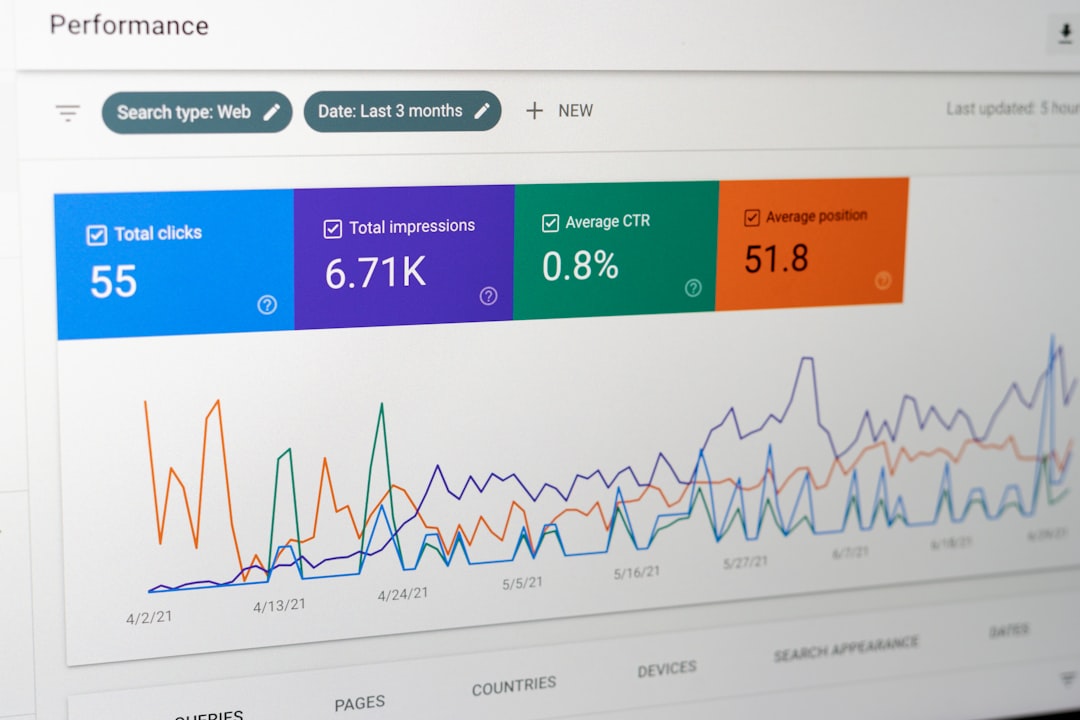
The 15 Best QMS Systems Improving Compliance and Metrics
1. MasterControl
Widely adopted in life sciences, MasterControl excels in regulatory compliance, document control, and audit readiness. Its validation-ready infrastructure and robust reporting tools make it ideal for FDA-regulated environments.
2. ETQ Reliance
Noted for configuration flexibility, ETQ Reliance offers no-code customization. Companies leverage it to centralize compliance programs, automate CAPAs, and visualize quality KPIs in real time.
3. Veeva Vault QMS
Specialized in life sciences, Veeva integrates seamlessly with broader clinical and regulatory processes. It simplifies inspection preparation and accelerates change control workflows.
4. Qualio
A growing favorite among startups and mid-sized medical device companies, Qualio provides user-friendly compliance management without complex implementation timelines.
5. Greenlight Guru
Purpose-built for medical device companies, this system emphasizes risk management and design controls alongside comprehensive CAPA tools.
6. Arena QMS
Strong in product lifecycle management integration, Arena connects quality processes directly to product development and supplier controls.
7. Intelex
Combining QMS and environmental health and safety features, Intelex appeals to enterprises seeking compliance across multiple governance domains.
8. Sparta Systems (TrackWise Digital)
Known for scalability, TrackWise Digital supports global enterprises with complex regulatory requirements and multilingual operations.
9. AssurX
AssurX offers flexible deployment options and strong workflow automation, helping organizations digitize audits and streamline nonconformance management.
10. Siemens Teamcenter Quality
Integrated with digital manufacturing ecosystems, Teamcenter strengthens design-to-production quality alignment and closed-loop analytics.
11. SAP Quality Management
Embedded within SAP’s ERP systems, it provides powerful integration for large enterprises seeking centralized data control and standardized governance.
12. Oracle Quality Management Cloud
Oracle’s solution leverages AI-driven insights to predict defects, optimize inspections, and improve supplier collaboration.
13. QAD EQMS
Particularly strong in manufacturing, QAD EQMS improves supplier quality management and global compliance tracking.
14. QT9 QMS
QT9 stands out for affordability and broad feature coverage, making it attractive to small and mid-sized manufacturers.
15. Monday.com QMS Templates
While not a dedicated QMS platform, customizable workflow automation tools allow organizations to build lightweight compliance tracking systems quickly.
How These Systems Improve Compliance
Regulatory complexity has intensified across industries in 2026. Modern QMS platforms strengthen compliance in several critical ways:
- Automated Audit Trails: Every change and approval is timestamped and traceable.
- Centralized Documentation: Eliminates siloed spreadsheets and disconnected quality logs.
- Standardized Workflows: Ensures consistent adherence to SOPs across global teams.
- Inspection Readiness: Dashboards provide instant access to required documentation.
- Regulation Mapping: Aligns processes with ISO, FDA, EMA, and other regulatory frameworks.
By automating manual compliance processes, organizations reduce human error and accelerate response times during inspections.

Driving Metrics That Matter
Beyond compliance, leading QMS systems directly influence measurable operational performance. Real-time dashboards track key performance indicators including:
- Defect Rates
- Nonconformance Trends
- CAPA Resolution Time
- Supplier Performance Scores
- Customer Complaint Resolution Metrics
AI-enabled analytics identify patterns in nonconformances, helping management proactively reduce risk. Predictive modeling is becoming increasingly common, especially in manufacturing environments where downtime and recalls are costly.
Improved visibility creates accountability across departments. Instead of quality operating as a standalone function, QMS platforms integrate quality control into operations, procurement, engineering, and executive leadership reporting.
Cloud vs. On-Premise: 2026 Considerations
Most new implementations in 2026 are cloud-based. Benefits include:
- Rapid Deployment
- Automatic Updates
- Scalable Infrastructure
- Remote Accessibility
However, certain highly regulated sectors or defense contractors may still prefer controlled on-premise environments due to security or data sovereignty requirements.

Implementation Best Practices
Selecting the right QMS is only the first step. Successful deployment requires:
- Executive Sponsorship: Leadership alignment ensures adoption.
- Clear Process Mapping: Define existing workflows before digitization.
- Data Migration Planning: Clean and validate historical data.
- User Training Programs: Continuous education improves utilization.
- Phased Rollouts: Gradual implementation reduces operational disruption.
Organizations that view QMS implementation as a strategic transformation rather than a simple software upgrade typically achieve higher ROI and measurable quality gains.
Emerging Trends in QMS for 2026
Several innovations are shaping the market:
- AI-Assisted Root Cause Analysis
- Blockchain for Traceability
- Mobile-First Compliance Reporting
- Integrated ESG Reporting
- Low-Code Customization
These advancements help organizations move from reactive quality management to proactive, data-driven optimization.
Conclusion
The 2026 QMS landscape emphasizes intelligent automation, regulatory agility, and measurable performance improvement. The 15 platforms highlighted in this review represent diverse strengths, serving startups through global enterprises. By centralizing compliance processes and leveraging real-time quality analytics, modern QMS systems not only reduce risk but also unlock continuous improvement opportunities. Organizations investing strategically in the right platform gain stronger audit readiness, improved supplier collaboration, and sustained operational excellence.
Frequently Asked Questions (FAQ)
1. What is the primary purpose of Quality Management Software?
A QMS centralizes quality processes such as document control, audits, CAPA management, and compliance tracking to ensure consistent standards and regulatory adherence.
2. Which industries benefit most from QMS platforms?
Highly regulated sectors like manufacturing, medical devices, pharmaceuticals, aerospace, food production, and healthcare benefit significantly from structured quality systems.
3. How long does QMS implementation typically take?
Implementation can range from a few weeks for small organizations to several months for large enterprises, depending on system complexity and data migration needs.
4. Are cloud-based QMS systems secure?
Yes. Leading vendors implement advanced encryption, role-based access controls, and compliance certifications to safeguard sensitive data.
5. Can a QMS improve operational efficiency?
Absolutely. Automation reduces manual tasks, improves visibility, shortens CAPA resolution times, and enhances supplier management—directly impacting key performance metrics.
6. What should companies prioritize when selecting a QMS?
Organizations should assess regulatory requirements, scalability, integration capabilities, analytics functionality, vendor support, and total cost of ownership before selecting a platform.



Leave a Reply