For many homeowners, seasonal deep cleaning is seen as a cosmetic ritual—an annual or biannual reset that freshens the look and feel of a home. However, beyond the visual appeal lies a set of measurable financial, health, and structural advantages that often go unnoticed. When viewed through the lens of long-term property value and cost prevention, deep cleaning becomes less of a chore and more of a strategic investment. The return on investment (ROI) is not only real but surprisingly substantial.
TLDR: Seasonal deep cleaning delivers measurable financial returns by reducing repair costs, extending the lifespan of appliances and materials, improving indoor air quality, and protecting property value. It lowers energy bills, prevents pest infestations, and minimizes health-related expenses. Data consistently shows that preventive maintenance is significantly cheaper than reactive repairs. Beyond aesthetics, deep cleaning is a proactive wealth-preserving strategy for homeowners.
- 1. Extending the Lifespan of Surfaces and Materials
- 2. Preventing Expensive HVAC Repairs
- 3. Reducing Allergy and Health-Related Costs
- 4. Protecting Home Value and Appraisal Outcomes
- 5. Energy Efficiency Improvements
- 6. Early Detection of Structural Issues
- 7. Pest Prevention and Mitigation
- 8. Psychological and Productivity Gains
- The Compounding Effect of Preventive Maintenance
- Strategic Timing: When Seasonal Cleaning Delivers Maximum Impact
- Professional vs. DIY: Calculating the True Cost
- Conclusion: A Shift from Cosmetic to Strategic Thinking
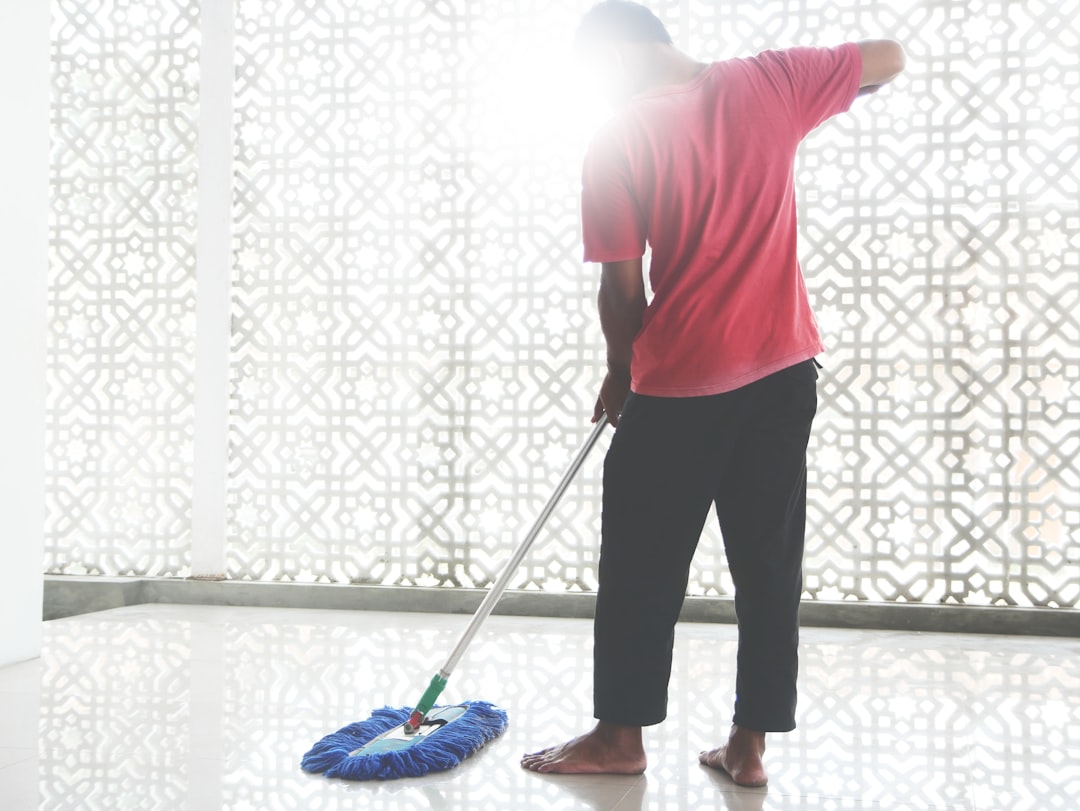
1. Extending the Lifespan of Surfaces and Materials
Dirt, dust, moisture, and chemical buildup gradually degrade surfaces throughout a home. According to facility maintenance studies, preventive cleaning can extend flooring and surface life by 20–50%, depending on material type.
Hardwood floors, for example, suffer from micro-abrasions caused by embedded grit. Carpets accumulate dust particles that act like sandpaper under foot traffic. Grout lines deteriorate when soap scum and mildew remain untreated. Seasonal deep cleaning addresses these accumulative stressors before irreversible damage occurs.
- Hardwood floors: Regular deep cleaning and resealing can extend lifespan by up to 10 years.
- Carpets: Professional deep cleaning can double usability from 5 to 10 years.
- Tile and grout: Mildew prevention avoids premature regrouting costs.
Replacing flooring in an average home can cost between $8,000 and $25,000. Annual or biannual deep cleaning—typically a small fraction of that cost—substantially delays these capital expenses.
2. Preventing Expensive HVAC Repairs
Heating and cooling systems account for roughly 40–50% of a household’s energy use. Dust accumulation in vents, coils, and filters forces systems to work harder, reducing efficiency and increasing wear.
According to the U.S. Department of Energy:
- Replacing dirty filters can lower energy consumption by 5–15%.
- Clean evaporator and condenser coils improve system efficiency and lifespan.
Seasonal deep cleaning includes vent vacuuming, dust removal around intake areas, and professional servicing. Considering that full HVAC replacement can range from $7,000 to $15,000, preventing early system failure represents significant ROI.
A modest investment in cleaning can postpone major mechanical replacement by several years.
3. Reducing Allergy and Health-Related Costs
Indoor air can be two to five times more polluted than outdoor air, according to environmental health agencies. Dust mites, pet dander, mold spores, and pollen accumulate in overlooked areas—behind appliances, beneath furniture, inside upholstery.
Seasonal deep cleaning reduces airborne particulate matter and microbial growth. Studies show that improved indoor air quality can:
- Decrease allergy symptoms by up to 30%
- Reduce asthma triggers significantly
- Lower susceptibility to respiratory infections
While the financial cost of minor illnesses may seem small, accumulated doctor visits, medications, and missed workdays represent hidden economic burdens. Cleaner homes correlate with fewer allergy-related disruptions and greater overall productivity.
4. Protecting Home Value and Appraisal Outcomes
When it comes time to refinance or sell, cleanliness plays a measurable role in appraisal perception. Real estate professionals report that homes presented in pristine condition often receive 1–5% higher offers compared to similar but poorly maintained properties.
This premium is not purely cosmetic. Appraisers and inspectors interpret cleanliness as a sign of responsible ownership, lowering perceived risk. Seasonal deep cleaning contributes to:
- Spotting minor issues before inspection
- Preventing visible mold or staining
- Maintaining caulking, grout, and finishes
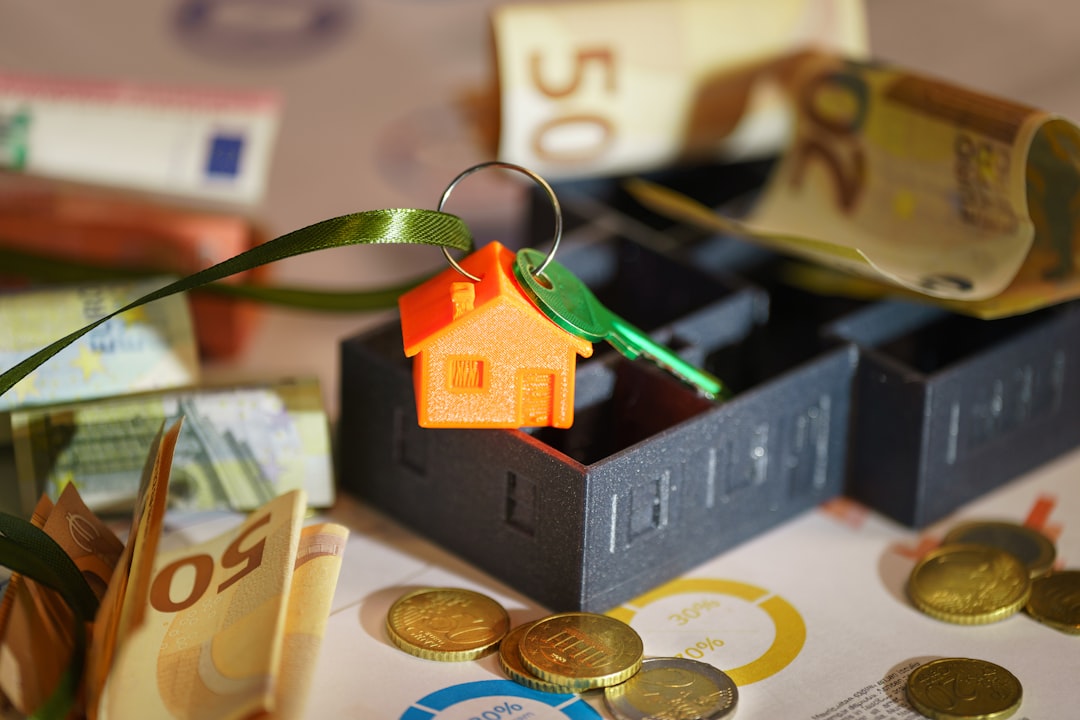
In a $400,000 property, even a 2% valuation difference equals $8,000. That far exceeds the typical annual cost of professional deep cleaning services.
5. Energy Efficiency Improvements
Dust and grime do more than create visual clutter—they insulate heat where it does not belong and block airflow where it is needed. Examples include:
- Refrigerator coils: Dirty coils can increase energy usage by up to 35%.
- Dryer vents: Blockages reduce efficiency and raise fire risk.
- Light fixtures: Dust buildup can reduce luminosity by 20–30%.
Seasonal deep cleaning restores optimal functioning to these systems. Even minor efficiency improvements across appliances can result in hundreds of dollars saved annually. Over five years, that compounding efficiency becomes significant.
6. Early Detection of Structural Issues
Deep cleaning requires moving furniture, inspecting corners, wiping baseboards, and examining rarely viewed areas. This process often reveals early warning signs:
- Small roof leaks in attic spaces
- Foundation cracks concealed by clutter
- Termite damage behind stored items
- Plumbing leaks under sinks
According to insurance data, water damage claims average between $10,000 and $15,000 per incident. Catching minor leaks early—before drywall saturation or mold growth—may limit repairs to a few hundred dollars.
Preventive awareness is one of the strongest hidden ROI drivers of seasonal cleaning.
7. Pest Prevention and Mitigation
Pests thrive in undisturbed, dusty, cluttered environments. Crumbs behind appliances, moisture beneath sinks, and cardboard storage create ideal habitats for rodents and insects.
The National Pest Management Association estimates that termite damage alone costs U.S. homeowners over $5 billion annually. While not all infestations stem from poor cleaning, neglected environments increase vulnerability.
Seasonal deep cleaning disrupts pest breeding grounds by:
- Removing food debris
- Identifying entry points
- Eliminating moisture buildup
- Discarding cluttered storage
Preventive cleaning is far less expensive than remediation, fumigation, or structural repairs after infestation.
8. Psychological and Productivity Gains
Though less tangible, the psychological impact of deep cleaning yields measurable performance benefits. Research in environmental psychology suggests that cluttered environments increase cortisol levels, the body’s primary stress hormone.
Cleaner environments correlate with:
- Improved focus and cognitive clarity
- Higher productivity levels in remote work settings
- Better sleep quality
With remote and hybrid work becoming more common, maintaining a clean home workspace may indirectly support income stability and professional performance.
The Compounding Effect of Preventive Maintenance
The true ROI of seasonal deep cleaning lies in its cumulative effect. One avoided repair might seem modest. But when energy savings, extended material lifespan, preventive detection, and preserved property value are combined, the numbers become compelling.
Consider a conservative five-year projection:
- $1,000 saved in energy efficiency
- $5,000 avoided in premature flooring replacement
- $8,000 preserved in property valuation
- $3,000 avoided in minor water and pest damage
Total estimated benefit: $17,000+
Compared to an average annual deep cleaning investment of $600–$1,500, the long-term financial return is substantial.
Strategic Timing: When Seasonal Cleaning Delivers Maximum Impact
To optimize ROI, timing matters. Many homeowners align deep cleaning with:
- Spring: Allergens, ventilation system refresh, post-winter moisture checks
- Fall: HVAC preparation, gutter cleaning, insulation inspection
- Pre-listing period: Market readiness and inspection readiness
Strategic scheduling ensures that cleaning supports seasonal system demands and environmental changes.
Professional vs. DIY: Calculating the True Cost
While do-it-yourself approaches reduce immediate expenses, professional services often achieve deeper, more technical outcomes. Commercial-grade equipment extracts more embedded debris, addresses hidden mold, and cleans ventilation systems thoroughly.
Time is also a factor. If a homeowner spends 20 hours deep cleaning instead of engaging in income-generating work, the opportunity cost must be considered.
ROI is not solely about out-of-pocket cost—it includes time, effectiveness, and long-term prevention quality.
Conclusion: A Shift from Cosmetic to Strategic Thinking
Seasonal deep cleaning should not be categorized as discretionary luxury or aesthetic routine. It is a preventive maintenance strategy with measurable financial and structural benefits. By extending the life of materials, improving system efficiency, preserving home value, and reducing health and repair costs, homeowners transform a periodic expense into a protective asset.
In financial terms, it behaves less like a cleaning bill and more like an insurance policy—quiet, preventative, and highly leveraged over time. When evaluated through data rather than perception, the hidden ROI of seasonal deep cleaning becomes unmistakable.
Cleanliness, in this context, is not about appearance. It is about preservation, efficiency, and long-term wealth protection.



Leave a Reply