Modern supply chains operate in a fast-paced, interconnected world where delays, miscommunication, and inefficiencies can quickly ripple across continents. To remain competitive, organizations rely on sophisticated logistics tools that enhance visibility, streamline coordination, and reduce costs. From warehouse automation to predictive analytics, today’s digital solutions ensure products move seamlessly from suppliers to customers.
TLDR: Supply chains depend on advanced logistics tools to maintain efficiency, transparency, and reliability. Key systems such as Transportation Management Systems (TMS), Warehouse Management Systems (WMS), and demand forecasting software help companies optimize operations and reduce risk. Real-time tracking, automation, and data analytics play a critical role in minimizing disruptions. Together, these seven essential tools keep global supply chains running smoothly.
Below are seven essential logistics tools that organizations rely on to maintain operational excellence and deliver consistent value to customers.
- 1. Transportation Management Systems (TMS)
- 2. Warehouse Management Systems (WMS)
- 3. Enterprise Resource Planning (ERP) Systems
- 4. Inventory Management Software
- 5. Demand Forecasting & Predictive Analytics Tools
- 6. Fleet Management Systems
- 7. Supply Chain Visibility Platforms
- Comparison Chart of Key Logistics Tools
- Why These Tools Matter More Than Ever
-
Frequently Asked Questions (FAQ)
- 1. What is the most important logistics tool for supply chain management?
- 2. How do logistics tools reduce costs?
- 3. Are these tools suitable for small businesses?
- 4. How does predictive analytics improve supply chains?
- 5. Can multiple logistics tools be integrated together?
- 6. What role does automation play in modern logistics?
1. Transportation Management Systems (TMS)
A Transportation Management System is designed to plan, execute, and optimize the physical movement of goods. It enables logistics managers to compare carrier rates, select optimal shipping routes, and track deliveries in real time.
With globalization increasing shipping complexity, companies depend on TMS platforms to:
- Automate freight booking and carrier selection
- Track shipments across multiple modes of transport
- Reduce freight costs through optimization algorithms
- Improve on-time delivery performance
TMS solutions are particularly valuable for businesses handling multi-modal transportation, including road, rail, air, and sea freight. By providing real-time visibility and analytics, they help prevent costly delays and ensure better decision-making.
2. Warehouse Management Systems (WMS)
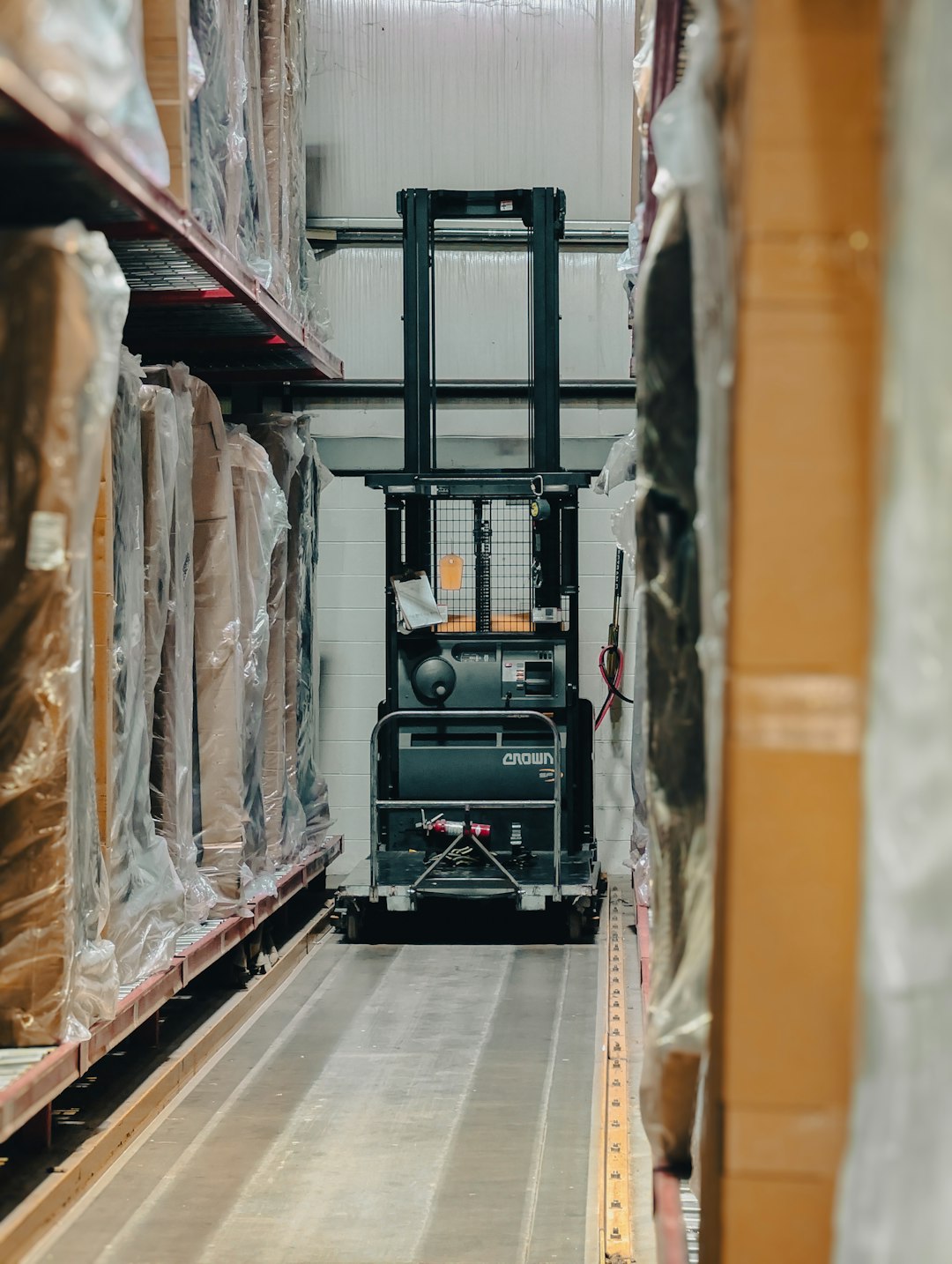
A Warehouse Management System controls and optimizes daily warehouse operations. From receiving inventory to picking, packing, and shipping, WMS software increases accuracy and productivity.
Modern WMS tools offer:
- Barcode and RFID tracking
- Automated picking and packing workflows
- Inventory accuracy tracking
- Labor management and performance metrics
By minimizing manual errors and improving storage organization, WMS platforms significantly reduce operating costs. Real-time inventory updates also allow managers to prevent stockouts and avoid overstocking.
3. Enterprise Resource Planning (ERP) Systems
Enterprise Resource Planning systems integrate logistics operations with finance, procurement, and sales. Unlike standalone tools, ERP solutions create a centralized platform where all departments share consistent, up-to-date data.
ERP systems support logistics by:
- Synchronizing inventory and financial records
- Streamlining procurement processes
- Improving demand planning accuracy
- Enhancing cross-department communication
This integration ensures alignment between supply chain operations and overall business strategy, reducing silos and increasing transparency.
4. Inventory Management Software
While often integrated within ERP systems, dedicated inventory management software provides detailed control over stock levels, reordering processes, and supplier coordination.
Key benefits include:
- Automated low-stock alerts
- Batch and serial number tracking
- Expiration date monitoring
- Multi-location inventory visibility
Accurate inventory management prevents capital from being tied up in excess stock while also ensuring customer demand can be met quickly and efficiently.
5. Demand Forecasting & Predictive Analytics Tools
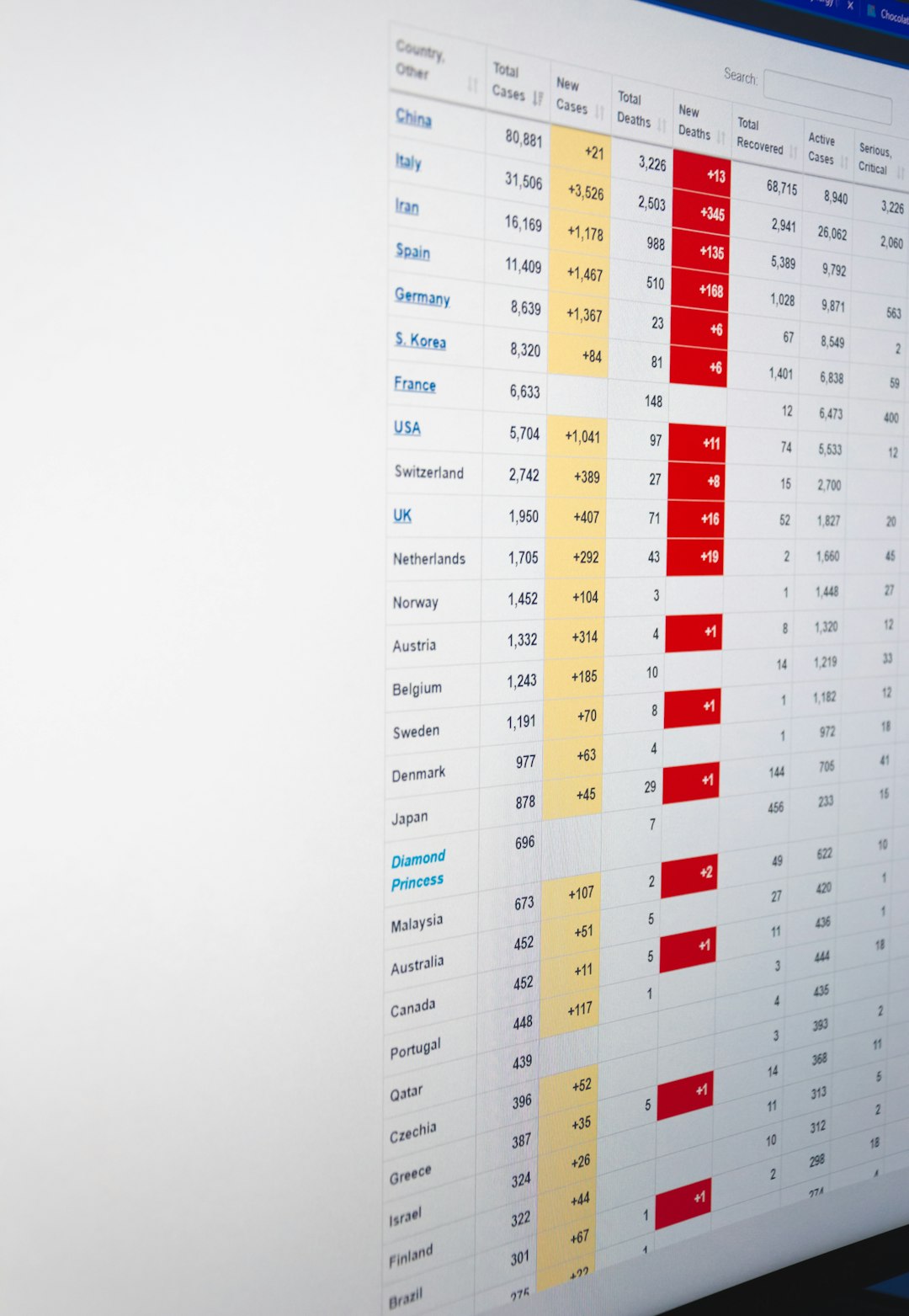
Forecasting tools use historical sales data, market trends, and advanced algorithms to predict future demand. Powered by artificial intelligence and machine learning, these systems help businesses make proactive decisions rather than reactive corrections.
Capabilities include:
- Seasonal demand prediction
- Scenario planning simulations
- Trend analysis and anomaly detection
- Enhanced production scheduling
Accurate forecasting reduces waste, stabilizes production schedules, and ensures that inventory aligns with customer needs.
6. Fleet Management Systems
For companies operating their own vehicle fleets, fleet management systems are essential. These platforms use GPS tracking and telematics to monitor vehicle health, driver behavior, and route efficiency.
Core features often include:
- Real-time vehicle tracking
- Fuel consumption monitoring
- Preventive maintenance scheduling
- Driver safety analytics
By optimizing routes and reducing fuel waste, fleet management systems lower operating expenses and improve delivery reliability.
7. Supply Chain Visibility Platforms
Supply chain visibility tools provide end-to-end transparency across suppliers, warehouses, and transportation partners. These platforms consolidate data from various systems into one unified dashboard.
They enable:
- Real-time shipment tracking
- Risk identification and mitigation alerts
- Supplier performance monitoring
- Collaborative communication across partners
In an era of global disruptions, visibility platforms play a crucial role in allowing companies to respond swiftly to unexpected events, such as port delays or raw material shortages.
Comparison Chart of Key Logistics Tools
| Tool | Primary Function | Main Benefit | Best For |
|---|---|---|---|
| TMS | Transportation planning and optimization | Reduced freight costs and improved delivery times | Shippers managing multi-modal transport |
| WMS | Warehouse operations management | Inventory accuracy and faster fulfillment | Distribution centers and e-commerce businesses |
| ERP | Enterprise-wide data integration | Improved cross-department coordination | Mid-size to large enterprises |
| Inventory Management | Stock control and reordering | Reduced stockouts and overstocking | Retailers and manufacturers |
| Demand Forecasting | Predictive analytics for demand planning | Better production and inventory alignment | Seasonal and high-volume industries |
| Fleet Management | Vehicle tracking and route optimization | Lower fuel costs and better safety | Companies with in-house delivery fleets |
| Visibility Platforms | End-to-end supply chain transparency | Faster disruption response | Global supply networks |
Why These Tools Matter More Than Ever
Global supply chains have grown more intricate due to international trade, e-commerce growth, and shifting consumer expectations. Customers now demand faster deliveries and real-time updates. Meanwhile, geopolitical instability, weather events, and capacity constraints introduce unpredictable challenges.
By adopting these seven logistics tools, organizations gain:
- Operational Efficiency: Automation reduces manual errors and speeds up processes.
- Data-Driven Decisions: Real-time analytics enhance strategic planning.
- Risk Reduction: Early alerts prevent costly disruptions.
- Cost Optimization: Better forecasting and routing minimize waste.
Together, these technologies create resilient supply chains capable of adapting to changing market conditions while maintaining high performance levels.
Frequently Asked Questions (FAQ)
1. What is the most important logistics tool for supply chain management?
There is no single most important tool; it depends on business needs. However, many organizations consider TMS and WMS systems foundational because they directly impact transportation and warehousing efficiency.
2. How do logistics tools reduce costs?
They reduce costs by automating processes, improving route planning, minimizing inventory waste, and preventing errors that lead to delays or returns.
3. Are these tools suitable for small businesses?
Yes. Many providers offer scalable solutions tailored to small and medium-sized businesses, allowing them to benefit from automation and analytics without excessive investment.
4. How does predictive analytics improve supply chains?
Predictive analytics uses historical and real-time data to forecast demand, identify risks, and recommend optimal strategies. This prevents shortages and reduces surplus inventory.
5. Can multiple logistics tools be integrated together?
Yes. In fact, integration is highly recommended. Many companies integrate TMS, WMS, ERP, and visibility platforms to create a unified ecosystem that enhances data flow and operational transparency.
6. What role does automation play in modern logistics?
Automation eliminates repetitive manual tasks, increases speed, and reduces human error. It also enables real-time updates, improving responsiveness across the entire supply chain.
In conclusion, logistics tools are no longer optional enhancements—they are essential infrastructure for modern supply chains. By leveraging transportation systems, warehouse management platforms, analytics software, and integrated visibility tools, companies can maintain resilience, efficiency, and competitiveness in an increasingly complex global market.


Leave a Reply