Planning your first international adventure in 2026 can be equal parts exhilarating and overwhelming. From rapidly evolving travel technologies to ever-changing geopolitical landscapes, today’s travel environment requires more foresight and preparation than ever before — especially for new adventurers.
TLDR: Prepare thoroughly by researching your destination, staying updated on travel advisories, and securing comprehensive insurance. Digital tools like travel apps and eSIMs make communication and navigation easier. Always stay aware of personal safety and cultural norms. Thoughtful planning leads to smoother and safer travel experiences.
- 1. Research Destinations Thoroughly
- 2. Budget Carefully — But Prepare for Emergencies
- 3. Travel Insurance Is No Longer Optional
- 4. Prioritize Digital Tools for Modern Travel
- 5. Pack Smart, Not Heavy
- 6. Stay Connected With Loved Ones
- 7. Avoid Scams and Dangerous Situations
- 8. Respect Local Laws and Cultural Norms
- 9. Get Vaccinated and Stay Health-Aware
- 10. Maintain Flexibility and Stay Calm Under Pressure
- Conclusion
1. Research Destinations Thoroughly
For first-time travelers, choosing where to go is the first — and possibly the most important — decision you will make. By 2026, many destinations have introduced stricter entry requirements, digital visa processes, and sustainability mandates.
- Check government travel advisories: Visit official sources such as the U.S. Department of State or your country’s foreign affairs website to learn about political stability, crime statistics, and health advisories.
- Understand local customs: Cultural awareness prevents misunderstandings and accidents. For example, dress codes and public behavior norms vary widely across regions.
- Assess weather and climate conditions: Ensure your destination is safe to visit at your chosen time of year — particularly if you’re heading to areas prone to hurricanes, heavy rains, or extreme temperatures.
2. Budget Carefully — But Prepare for Emergencies
A solid travel budget goes beyond airfare and accommodations. It should account for meals, transportation, activities, and unexpected expenses. Currency trends and inflation — both more volatile in the post-pandemic era — make it essential to create a buffer of at least 15-20% beyond your estimated costs.
Consider carrying a mix of payment methods. International credit cards, digital wallets, and local cash all have their place in ensuring financial flexibility. Also, alert your bank in advance of your travel to avoid unexpected account holds during international purchases.
Emergency Funds: A separate stash of funds, accessible even when other payment means fail, can be a lifesaver in foreign environments. Keep a small amount hidden in your luggage or in secure storage at your accommodation.
3. Travel Insurance Is No Longer Optional
As of 2026, many countries require proof of travel insurance as a condition of entry. Policies should include:
- Medical coverage for emergencies, including evacuation back to your home country
- Trip interruption and cancellation insurance
- Coverage for lost luggage, theft, or damage
Pro Tip: Choose a policy that covers extreme sports or specific activities you may engage in, such as scuba diving, hiking, or skiing.
4. Prioritize Digital Tools for Modern Travel
Technology makes 2026 an easier time than ever to navigate new places. First-time travelers should familiarize themselves with essential apps and digital tools:
- Navigation: Google Maps, Maps.me, or city-specific apps
- Language translation: Google Translate, iTranslate, or AI-powered tools integrated in phones
- Connectivity: Use travel eSIM services like Airalo or Holafly for cost-effective international data options
- Trip management: Tools like TripIt help organize bookings, itineraries, and confirmations in one place
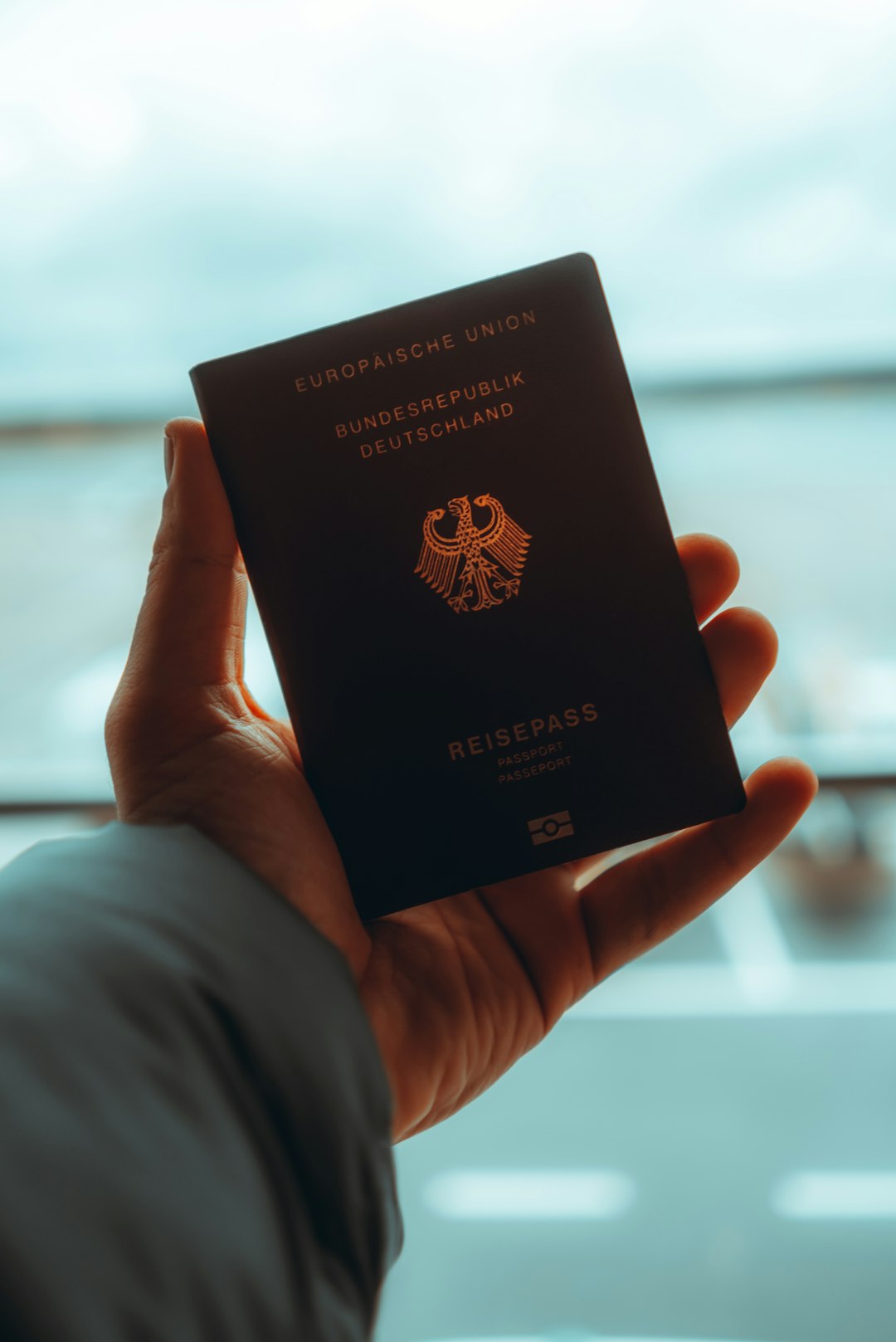
Using these digital aids will reduce confusion in unfamiliar areas and improve overall safety and convenience.
5. Pack Smart, Not Heavy
Overpacking is a classic mistake for first-time travelers. Efficient packing not only saves money on baggage fees but also increases mobility and comfort.
Follow the “3:2:1 Rule” — three tops, two bottoms, and one pair of versatile shoes for each week of travel. Always include:
- A basic first-aid kit
- Copies of your identification, travel documents, and insurance
- Weather-appropriate layers and rain protection
- One universal travel adapter and a reliable power bank
Make sure your carry-on contains essentials like medications, a change of clothes, and chargers in case your checked bag is delayed or lost.
6. Stay Connected With Loved Ones
Maintain regular contact with a trusted friend or family member back home. Share your itinerary and check in at agreed-upon intervals, especially when arriving in new cities or taking transport between destinations.
This offers peace of mind for everyone involved and provides someone to initiate help if communication breaks down or emergencies occur.
7. Avoid Scams and Dangerous Situations
Common scams targeting tourists aren’t going away in 2026 — if anything, they’re becoming more sophisticated. Educate yourself in advance about known scams in your destination, such as:
- Fake ticket vendors or “tour guides”
- Overpriced taxi rides without meters
- Friendly locals who distract while others pickpocket
- Unauthorized Wi-Fi networks stealing your data

To avoid falling victim:
- Use official transportation methods or ride-sharing apps
- Do not share personal information with strangers
- Rely on password-protected or VPN-secured internet connections
- Keep expensive items out of sight, especially in crowded areas
8. Respect Local Laws and Cultural Norms
Nothing can derail a trip faster than legal trouble or social conflict. Laws vary wildly across borders. Some actions that are normal at home may be considered illegal or offensive abroad — for instance, chewing gum in Singapore or vaping in Thailand.
Read up on:
- Legal drinking and smoking ages
- Rules about photography in religious sites or government buildings
- Dress codes, especially in conservative regions
Remember: Ignorance is not considered an excuse in most legal systems. Being respectful and informed marks you as a thoughtful traveler and often garners kindness and support from locals.
9. Get Vaccinated and Stay Health-Aware
Even in the post-COVID world, vaccinations remain essential for international travel. Many countries require proof of immunizations as part of their border-control measures. In 2026, it’s likely that up-to-date records may need to be uploaded to digital immigration systems before arrival.
Check with your healthcare provider about:
- Mandatory vaccinations for your destination
- Preventative medications for conditions like malaria or altitude sickness
- How to get antiviral medications in case of respiratory infections while abroad
Carry a travel health kit containing medications, antiseptics, thermometers, and your personal health records. If possible, know the location of the nearest embassy-supported medical facilities in your travel region.
10. Maintain Flexibility and Stay Calm Under Pressure
No matter how much you prepare, things can still go wrong. Delayed flights, missed connections, or last-minute changes due to weather or civil unrest can challenge even the most seasoned travelers.
For first-timers, the key to overcoming disruptions is mentally preparing for flexibility. Always have a Plan B — whether it’s an alternate route or a backup hotel. Keep important phone numbers and printed copies of your bookings in case your devices lose power or connectivity.
Equally important: stay calm. Take a deep breath, assess your options, and, if needed, ask for help from official travel personnel or consular services rather than public strangers.
Conclusion
Travel in 2026 holds immense promise, especially for first-time adventurers ready to explore the globe. Yet, responsible travel is more than just hopping on a plane with a suitcase and camera. It involves thorough research, smart preparation, and the ongoing ability to adapt to situations as they unfold.
By focusing on safety, tech-savviness, and respectful engagement with other cultures, your first international journey can be not only successful but truly life-enriching.
Safe travels and may your first steps into the world be filled with awe, wonder, and wise decisions.



Leave a Reply