Across coastal towns, inland lakes, and neighborhood swimming pools, a growing shortage of certified lifeguards is reshaping how communities think about water safety, public access, and local budgets. What was once considered a seasonal staffing challenge has evolved into a structural workforce issue with financial, legal, and social consequences. At the same time, this crisis is revealing new opportunities for innovation, workforce development, and community collaboration.
TLDR: Lifeguard shortages are increasing operational costs, limiting public access to aquatic facilities, and raising safety risks for communities. Municipalities are spending more on recruitment, training, and liability coverage while sometimes reducing services. However, these shortages also present opportunities to modernize aquatics programs, invest in workforce development, and strengthen partnerships. Communities that respond strategically can emerge more resilient and better prepared for the future.
The shortage is not merely a matter of fewer teenagers seeking summer jobs. It reflects broader labor market shifts, credentialing requirements, wage competition, and changing attitudes toward part-time and seasonal employment. When lifeguard positions go unfilled, the impact quickly extends beyond the pool deck.
- The Direct Financial Costs of Lifeguard Shortages
- Public Safety and Social Implications
- Root Causes Behind the Shortage
- Opportunities Emerging from the Crisis
- Operational Innovation in Aquatic Management
- Policy-Level Responses
- Community-Led Solutions
- Long-Term Strategic Planning
- Balancing Access, Cost, and Safety
The Direct Financial Costs of Lifeguard Shortages
Communities are experiencing immediate and measurable financial pressure as a result of understaffed aquatic facilities. These pressures include higher wages, expanded recruitment campaigns, and increased overtime costs.
- Rising wages: To stay competitive, many municipalities have significantly increased hourly pay rates and introduced signing bonuses.
- Training subsidies: Cities and schools are covering the cost of certification courses to attract applicants.
- Overtime and burnout: Existing staff often work extended hours, increasing payroll expenses and fatigue-related risks.
- Reduced revenue: Shortened pool hours and closed beaches can decrease admissions, lessons, and concession income.
In some regions, public pools have delayed seasonal openings or limited operations to a few days per week. Beaches have operated with reduced guarded zones, restricting swimming areas. These operational changes directly affect community access to safe recreation.
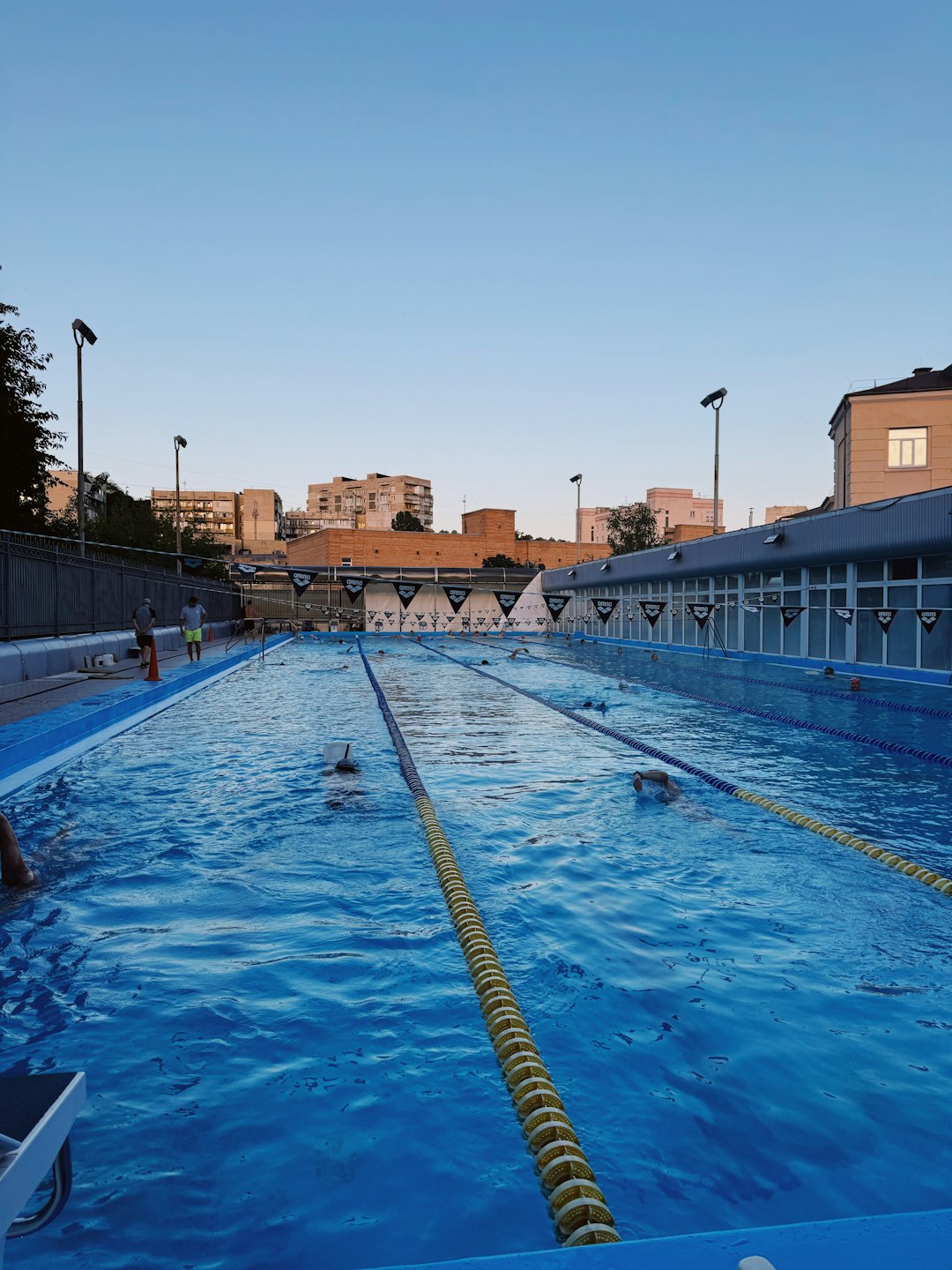
There are also longer-term financial ramifications. Municipalities may face higher insurance premiums if safety coverage is inconsistent. In densely populated areas, limited lifeguard availability can increase liability exposure, especially during peak usage.
Public Safety and Social Implications
The consequences of lifeguard shortages are not purely financial. They intersect with broader public health and equity concerns. Drowning remains a leading cause of accidental death, particularly among children. Reduced supervision can increase risk, particularly where unguarded swimming becomes more common.
Beyond emergency response, lifeguards serve as:
- Swim instructors and water safety educators
- First responders for medical incidents
- Role models for youth in their communities
- Visible deterrents against unsafe behavior
When services are reduced, underserved communities are often affected first. Facilities in lower-income neighborhoods may lack the resources to compete for staff with private clubs or resort destinations. This deepens disparities in access to safe swimming instruction and recreation.
The shortage, therefore, is not just an operational inconvenience but a matter of community resilience and public equity.
Root Causes Behind the Shortage
Addressing the issue requires understanding its complexity. Lifeguard shortages stem from multiple converging factors:
- Demographic shifts: Smaller youth cohorts in some areas reduce the available labor pool.
- Certification barriers: Courses are time-intensive and physically demanding, discouraging some applicants.
- Competing job markets: Retail, food service, and gig economy roles offer flexible schedules without mandatory certification.
- Post-pandemic disruptions: Training programs were suspended or limited, creating certification gaps.
- Perception challenges: Some candidates underestimate the responsibility and pressure associated with lifeguarding.

Communities that attempt to solve the problem only through wage increases may find limited success if they do not address training pipelines and long-term engagement.
Opportunities Emerging from the Crisis
While the shortages create strain, they are also prompting constructive adaptation. Forward-thinking municipalities are reimagining recruitment, retention, and service models.
1. Early Workforce Development
Some school districts are integrating lifeguard certification programs into physical education curricula or summer enrichment offerings. Providing early exposure reduces training barriers and builds a consistent pipeline.
Benefits include:
- Lower certification costs for students
- Increased job readiness
- Stronger ties between schools and parks departments
2. Modernized Recruitment Strategies
Communities are leveraging social media, peer referral bonuses, and targeted outreach campaigns to reach younger applicants. Messaging that emphasizes leadership, emergency readiness, and career pathways in public service can elevate the role’s prestige.
3. Career Pathways and Retention Models
Rather than treating lifeguarding strictly as a summer job, some municipalities are developing tiered advancement systems:
- Junior lifeguard programs
- Head lifeguard and supervisory roles
- Aquatics management internships
- Pathways into firefighting, EMS, or public safety careers
Framing lifeguarding as a stepping stone to public service can attract candidates seeking meaningful work experience.
4. Regional Collaboration
Neighboring towns and counties are beginning to coordinate training certifications and share recruitment campaigns. Regional scheduling pools allow staff to work across facilities, stabilizing coverage during peak demand.
Operational Innovation in Aquatic Management
The shortage has also accelerated operational innovation. Technology, scheduling flexibility, and program adjustments are helping facilities operate more efficiently.
- Staggered facility hours: Aligning operating times with peak demand reduces unnecessary staffing needs.
- Advanced scheduling tools: Data-driven models forecast attendance and optimize guard placement.
- Enhanced surveillance systems: While not replacements for lifeguards, improved monitoring tools support situational awareness.

Some regions have also expanded water safety education campaigns aimed at reducing risky behavior in unguarded environments. Encouraging swim lessons, promoting designated swimming areas, and distributing safety messaging can mitigate indirect risks.
Policy-Level Responses
State and local governments can play a structural role in stabilizing the lifeguard workforce. Effective policy options include:
- Grant funding to subsidize certification programs
- Standardized, reciprocal credential recognition across jurisdictions
- Transportation stipends for youth employees
- Public awareness campaigns that elevate aquatics careers
Additionally, liability reform discussions are emerging in some regions to balance the realities of staffing challenges with reasonable safety standards.
However, reducing safety requirements should not become a substitute for workforce investment. The priority must remain public protection.
Community-Led Solutions
Grassroots engagement can also contribute meaningfully. Community organizations, nonprofits, and parent groups often support aquatic centers through volunteer coordination, fundraising, and advocacy.
Successful community responses frequently include:
- Partnering with local businesses to sponsor training scholarships
- Hosting water safety fairs and recruitment drives
- Recognizing lifeguards publicly to reinforce social value
- Creating mentorship programs pairing experienced guards with new recruits
Public recognition can have a powerful retention effect. Celebrating lifeguards as skilled safety professionals rather than seasonal workers builds civic pride and job satisfaction.
Long-Term Strategic Planning
Addressing lifeguard shortages sustainably requires moving beyond seasonal reactions. Municipal budgets should treat aquatics staffing as a strategic priority linked to public health, youth development, and economic vitality.
Long-term planning may involve:
- Multi-year recruitment forecasts
- Competitive compensation benchmarking
- Integrated training pipelines starting in adolescence
- Continuous safety audits and performance evaluation
Communities that invest consistently in workforce stability are more likely to maintain uninterrupted service and reduce emergency closures.
Balancing Access, Cost, and Safety
The tension between fiscal responsibility and public safety is at the heart of the lifeguard shortage challenge. Limited budgets may tempt decision-makers to scale back operations, yet reducing access to supervised swimming often shifts risk elsewhere.
Safe aquatic spaces are more than recreational amenities. They provide climate relief during extreme heat, structured youth engagement during summer months, and social gathering spaces that strengthen neighborhood ties.
When communities respond thoughtfully, the shortage becomes not only a warning signal but a catalyst for modernization.
By investing in workforce development, improving recruitment infrastructure, fostering interagency collaboration, and reinforcing the social importance of water safety, municipalities can turn a pressing shortage into a long-term improvement strategy.
The rising costs associated with lifeguard shortages are real and significant. Yet the greater risk lies in inaction. Communities that choose proactive, structured responses can protect public safety, expand opportunity for young workers, and preserve essential aquatic services for generations to come.



Leave a Reply