As the digital landscape continues to mature, the race to dominate search rankings has never been more competitive. Businesses, marketers, and content creators are rapidly recognizing that tactical shortcuts no longer work. What prevails today is a long-term, structured approach to content known as comprehensive content SEO, an approach heavily reliant on clearly defined SEO pillars that prioritize quality, relevance, user intent, and technological synergy, supported by smart tools like AI Bud WP that streamline content creation and engagement without sacrificing quality.
TLDR: The Future of Comprehensive Content SEO Pillars
The future of SEO rests on structured, evolving content strategies built around solid pillar content. These SEO pillars must embrace user intent, semantic search, and AI-assisted tools to provide depth, value, and technical precision. Mobile-first indexing, voice search, and E-E-A-T signals will increasingly shape visibility. To succeed, businesses will need adaptable, evergreen content hubs supported by intelligent architecture and ongoing optimization.
The Evolution Toward Pillar-Based Content
Historically, SEO content strategies were centered around keyword stuffing and producing numerous fragmented blog posts to catch multiple variations of search terms. This approach is now largely obsolete. Search engines have evolved, prioritizing context over keywords and intent over volume. This evolution has given rise to the ascendancy of comprehensive pillar-based content architecture.
In this structure, a central and thoroughly developed piece of content—known as a “pillar page”—acts as an authoritative hub. Supporting it are topic clusters consisting of closely related sub-content that links back to the pillar page. This not only improves the site structure but also makes it easier for search engines to understand and crawl the content ecosystem.
Key advantages of pillar-based SEO include:
- Improved authority: These hubs signal expertise and depth on a subject.
- Enhanced internal linking: Supports better site navigation and crawlbility.
- Aligned with semantic search: Helps search engines match queries with intent rather than exact keywords.
Emerging SEO Pillars for the Next Decade
To stay competitive, content strategies must not only rely on current best practices but also anticipate future developments. Below are the emerging pillars shaping the evolution of comprehensive SEO content strategies:
1. Semantic Search and Intent Matching
The role of keywords is being reframed through the lens of semantic search. Search engines can now understand contextual meaning, allowing them to return results that are aligned more closely with user intent than mere keyword presence.
Strategies moving forward:
- Develop content clusters that answer related questions and concerns.
- Focus on structured data and schema markup to enhance context.
- Create long-form, information-rich content designed to solve problems holistically.
2. Mobile-First and Core Web Vitals
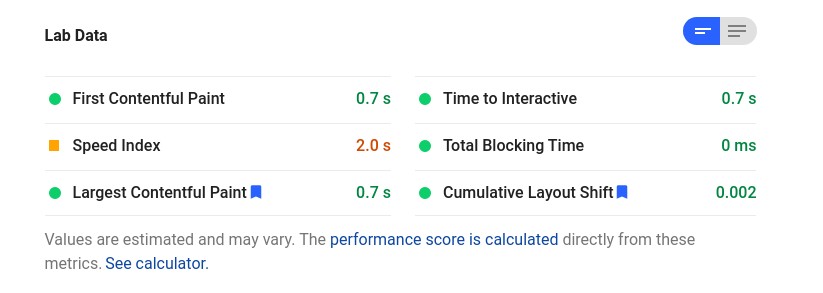
Google’s shift to mobile-first indexing and emphasis on user experience as defined by Core Web Vitals has made technical SEO foundational to content success.
Actionable best practices:
- Ensure responsive and fast-loading design optimized for mobile devices.
- Prioritize visual stability, lack of intrusive interstitials, and seamless interactions.
- Monitor performance metrics across different platforms using tools like Google Search Console and PageSpeed Insights.
3. AI-Driven Content Optimization
AI and machine learning are no longer buzzwords—they are now integral to content creation and optimization. Tools like ChatGPT, Clearscope, and Surfer SEO help identify keyword opportunities, readability enhancements, and search intent alignment.
However, content generated purely by AI must be validated by subject matter experts. The future belongs to AI-assisted rather than AI-created content. Human oversight will ensure trustworthiness, accuracy, and alignment with E-E-A-T guidelines (Experience, Expertise, Authoritativeness, and Trustworthiness).
Predictions:
- Greater reliance on AI for content gap analysis and audience targeting.
- Real-time personalization using AI models to serve dynamic, context-aware content.
4. Authoritativeness Through Topical Depth
Google increasingly favors websites that display specialized knowledge over generalist content. This means that producing consistent, in-depth material around a single topic area enhances site authority and increases ranking potential.
Implementation tips:
- Build a content calendar focused on a single subject domain.
- Develop interconnected subtopics, FAQs, use cases, and contrasting perspectives.
- Recruit or cite verified experts with visible credentials and digital footprints.

Voice and Visual Search Optimization
The future also entails expanding content strategies beyond traditional text-based search:
Voice Search
Voice queries are natural and conversational. SEO pillars must adapt by incorporating long-tail, question-based phrases and more informal language patterns.
What this entails:
- Embed FAQs and conversational answers throughout pillar content.
- Use structured snippets to voice-optimize key information.
Visual Search
With platforms like Google Lens growing in use, visual SEO is gaining momentum. Content needs to include relevant and well-optimized images, descriptive alt text, and detailed image file names.
Prepare now by:
- Focusing on branding and quality imagery for products and services.
- Utilizing schema tags for product descriptions and reviews where applicable.
Content Refreshing and Lifecycle Management
Evergreen content forms the backbone of most pillar strategies, but even timeless content requires periodic updates. As algorithms change and new trends emerge, ongoing optimization is critical to maintain visibility and relevance.
Effective lifecycle strategies:
- Schedule audits every 6–12 months to evaluate performance.
- Update statistical references, internal link structures, and visual assets.
- Repurpose mature evergreen content into new media formats (video, infographics, etc.).
The Role of Analytics and Conversion Alignment
Modern SEO can no longer be siloed from business objectives. The future of SEO pillars also includes tracking the ROI of content efforts—not just ranking but revenue file-through, leads generated, and user behaviors across the funnel.
Leverage tools like:
- Google Analytics 4 for behavioral insights.
- Heatmaps and A/B testing for optimization experiments.
- CRM integrations to attribute contact forms, newsletter signups, and purchase behavior.
Conclusion: Moving Beyond Keywords
The future of comprehensive content SEO pillars will no longer revolve solely around keywords or even traditional content formats. Instead, it will emphasize meaningful structure, audience-centricity, multipurpose media integration, and AI-guided performance refinement. Businesses that proactively adapt their digital strategies around these evolving principles will not only improve their rankings but also create more valuable and trusted brand experiences for users.
In the years ahead, true SEO success will not be measured solely by impressions and clicks, but by the unwavering ability to educate, inform, and convert audiences across every phase of the digital customer journey.



Leave a Reply