Cut travel costs by controlling expenses before the trip happens, not after the receipt lands in finance. The biggest savings usually come from clearer policies, faster approvals, smarter booking rules, and real-time spend visibility. If your expense process still depends on emails, spreadsheets, and late receipt uploads, money is slipping out quietly.
TLDR: Better expense management can reduce business travel costs by 10% to 25% when companies track spending in real time and apply clear travel rules. For example, a 120-person sales team spending $900,000 a year on travel could save $135,000 with a 15% reduction from better booking controls and faster receipt checks. The biggest wins usually come from early flight booking, hotel rate limits, automated approvals, and cutting out duplicate or out-of-policy claims.
- Why Travel Costs Get Out of Hand
- Set a Travel Policy People Can Actually Use
- Move Approvals Before the Spend
- Use Real-Time Expense Tracking
- Negotiate Better Rates Using Real Data
- Control the Small Costs Too
- Book Earlier Whenever Possible
- Make Receipt Capture Easy
- Track Cost Per Trip, Not Just Total Spend
- Train Managers, Not Just Travelers
- Build a Culture of Smart Spending
Why Travel Costs Get Out of Hand
Business travel has a habit of expanding when no one is watching. A flight booked three days before departure costs more. A hotel “close to the meeting” quietly exceeds the nightly cap. A meal receipt arrives with no client name, no context, and no easy way to check it.
None of these issues looks huge alone. Together, they create a serious drain on profit. The problem is not always reckless spending. Often, employees simply lack clear guidance or easy tools. Honestly, it feels like many expense systems were built to punish the person uploading the receipt and the person approving it.
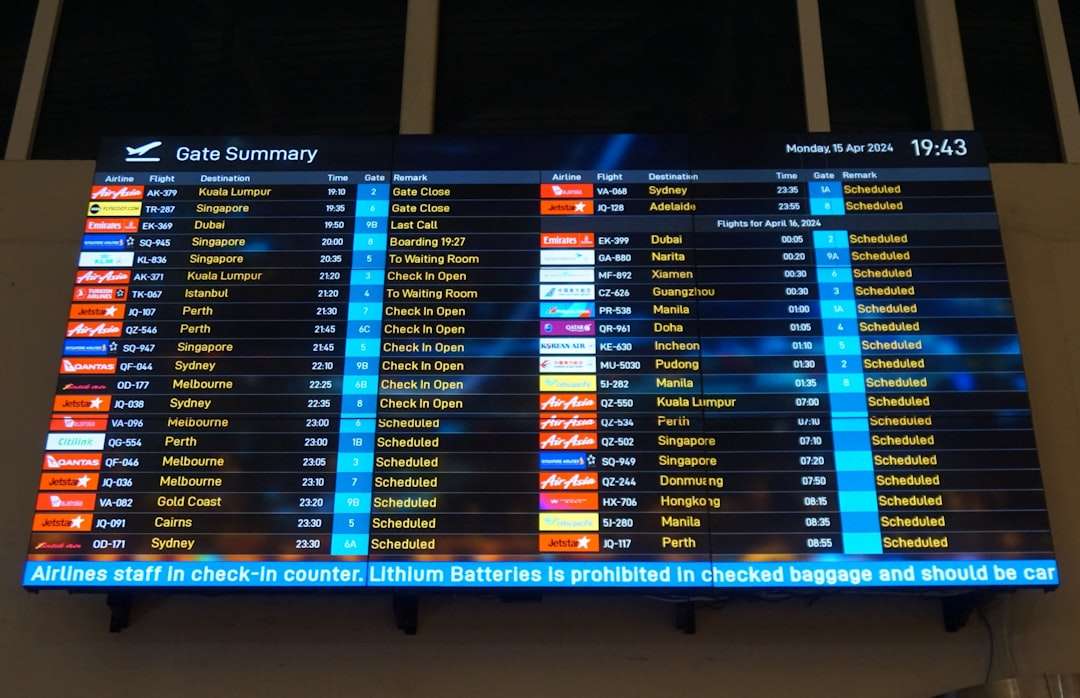
When expense management is weak, companies tend to face the same patterns:
- Late bookings that push up airfare and hotel prices.
- Manual approvals that slow employees down and hide spending trends.
- Missing receipts that waste finance team hours.
- Policy confusion that leads to awkward reimbursement disputes.
- Duplicate claims that are easy to miss in spreadsheet-based systems.
Set a Travel Policy People Can Actually Use
A travel policy should not read like a legal contract. It should answer common questions fast. Can an employee book premium economy? What is the hotel limit in New York? Are airport lounge passes reimbursable? What happens if the cheapest flight adds six hours of travel time?
Clear rules prevent costly guessing. They also reduce friction between employees and finance. A good policy should cover flights, hotels, meals, ground transport, tips, baggage fees, upgrades, and client entertainment.
Keep the policy short enough to read in five minutes. Add examples. “Dinner is reimbursable up to $60 per person, excluding alcohol unless client entertainment is approved” is much better than “reasonable meal expenses may be covered.” Vague wording creates arguments. Specific limits create consistency.
Move Approvals Before the Spend
Approving expenses after a trip is already over is like locking the door after the room has been cleaned out. The money is gone. The better approach is pre-trip approval.
Before an employee books, managers should see estimated costs for transport, lodging, daily meals, and any event fees. If a trip looks too expensive, the manager can suggest a shorter stay, a different departure time, or a video meeting instead.
This does not mean every trip needs ten layers of approval. That would be miserable. Use simple thresholds:
- Trips under $750 need manager approval only.
- Trips between $750 and $2,500 need department approval.
- Trips above $2,500 need finance review.
- International travel needs approval before booking.
This structure helps teams move fast while keeping high-cost travel visible.
Use Real-Time Expense Tracking
Monthly reports are useful, but they are late. Real-time tracking is where savings become practical. If finance can see that hotel spend is running 18% above budget by the second week of the month, leaders still have time to act.
Modern expense platforms can flag policy issues as they happen. A hotel rate can be marked as too high. A missing receipt can trigger a reminder. A duplicate meal claim can be blocked before reimbursement.
The catch is that some tools make simple tasks feel weirdly slow. If uploading a taxi receipt takes 45 seconds, employees will delay it. If the mobile app scans the receipt, fills in the amount, and submits it in 10 seconds, compliance improves without another stern email from finance.

Negotiate Better Rates Using Real Data
Many companies try to negotiate travel deals without clean data. That weakens their position. Hotels and travel providers want volume. If you can show that your employees booked 640 room nights in Chicago last year, you have a stronger case for a preferred rate.
Expense data can reveal patterns such as:
- Top cities by travel spend.
- Most used hotel chains.
- Average nightly rate by location.
- Airlines used most often.
- Departments with the highest travel frequency.
With this information, companies can negotiate corporate hotel rates, airline discounts, waived baggage fees, or flexible cancellation terms. Even a $25 nightly hotel discount adds up. Across 1,000 room nights, that is $25,000 saved.
Control the Small Costs Too
Flights and hotels get the most attention, but smaller costs can quietly wreck a travel budget. Rideshares, parking, Wi-Fi, snacks, baggage fees, tips, and currency conversion charges all matter.
Set rules for these categories without being petty. Nobody wants a finance team arguing over a $4 coffee during a 6 a.m. airport layover. Still, patterns deserve attention. If one department spends twice as much on rideshares as another team with similar travel needs, something is off.
Consider using virtual cards or corporate cards with category controls. These can restrict certain merchant types, cap daily spending, and assign transactions to the right department. That makes reporting cleaner and reduces reimbursement delays.
Book Earlier Whenever Possible
Last-minute travel is sometimes unavoidable. Sales meetings shift. Clients call. Equipment fails. Still, many late bookings happen because no one planned ahead or approvals took too long.
Encourage teams to book flights at least 14 to 21 days in advance when schedules are known. Airfare studies often show meaningful price increases inside the final week before travel. Even a modest $120 average saving per flight can become large across a year.
If 300 flights are booked earlier and each saves $120, that is $36,000 back in the budget. No headcount cuts. No service reduction. Just better timing.
Make Receipt Capture Easy
Receipt management sounds boring until finance spends Friday afternoon chasing 73 missing documents. Bad receipt habits create tax issues, audit risk, and reimbursement delays.
The fix is speed. Employees should be able to photograph a receipt, auto-fill the amount, choose a category, and submit it from their phone. The system should match card transactions with receipts automatically where possible.
It drives me crazy that some systems still require employees to type merchant names from scratch when the card feed already has the data. That tiny delay repeats hundreds of times. It becomes real wasted labor.

Track Cost Per Trip, Not Just Total Spend
Total travel spend can be misleading. If travel costs rose 12%, that may sound bad. But if the company completed 30% more client visits and closed more revenue, the increase may be justified.
Better metrics include:
- Average cost per trip
- Cost per department
- Cost per client visit
- Travel spend as a percentage of revenue
- Policy compliance rate
- Average reimbursement time
These numbers help leaders see whether travel is wasteful or productive. They also stop blanket cost cuts that hurt sales, customer success, or field operations.
Train Managers, Not Just Travelers
Employees often follow the habits their managers allow. If managers approve every exception, the policy becomes decoration. If they reject reasonable claims without explanation, employees lose trust.
Give managers simple approval guidance. Show them how to spot inflated costs, repeated exceptions, and missing business reasons. Also show them when flexibility makes sense. A safer flight time or hotel near a remote client site may be worth the extra cost.
Short training works best. A 20-minute quarterly review of travel trends can do more than a 40-page policy that nobody opens.
Build a Culture of Smart Spending
Expense management should not make employees feel accused. Most people are not trying to game the system. They want to do their jobs, meet clients, and get reimbursed without hassle.
Frame travel cost control as a shared business goal. Money saved on poor booking habits can fund better tools, team events, client programs, or bonuses. Share results with employees. If the company cuts travel waste by 17% in one quarter, say so.
The best expense programs are firm but fair. They set limits, automate the boring parts, and give leaders clean data. Most of all, they catch problems early. That is how business travel becomes useful again instead of just expensive.