First responders run toward danger when everyone else runs away. Police officers, firefighters, paramedics, dispatchers, and emergency medical professionals face repeated exposure to trauma as part of their daily duties. Over time, those experiences can leave invisible wounds that deeply affect mental health, relationships, and job performance. Post-Traumatic Stress Disorder (PTSD) is increasingly recognized as a serious occupational hazard in these professions—but so too are the groundbreaking therapies that are transforming recovery outcomes.
TLDR: PTSD among first responders is common but highly treatable with modern, evidence-based therapies. Breakthrough treatments such as EMDR, trauma-focused CBT, somatic therapies, and peer-supported interventions are helping professionals heal faster and more effectively. Recognizing early warning signs—like emotional numbness, sleep disruption, or increased anger—is critical. Seeking professional support early can prevent long-term psychological and physical consequences.
For decades, stigma and “tough it out” culture discouraged first responders from seeking help. Today, research-backed therapies and specialized programs tailored for trauma-exposed professionals are shifting that narrative. Understanding both the latest treatment advances and the critical signs that indicate it’s time for support can save careers, relationships, and lives.
- PTSD in First Responders: A Unique Occupational Risk
-
Breakthrough PTSD Therapies Transforming Recovery
- 1. EMDR (Eye Movement Desensitization and Reprocessing)
- 2. Trauma-Focused Cognitive Behavioral Therapy (TF-CBT)
- 3. Somatic and Body-Based Therapies
- 4. Group Therapy for First Responders
- 5. Virtual and Telehealth Trauma Therapy
- 6. Ketamine-Assisted Psychotherapy and Emerging Treatments
- 7. Accelerated Resolution Therapy (ART)
- 8. Neurofeedback Training
- 9. Resilience and Stress Inoculation Programs
- 10. Integrated Couples and Family Therapy
-
10 Proven Signs It’s Time to Seek Professional Support
- 1. Sleep Problems That Don’t Improve
- 2. Emotional Numbness
- 3. Increased Irritability or Anger
- 4. Hypervigilance Off Duty
- 5. Intrusive Memories
- 6. Avoidance of Work or Specific Calls
- 7. Increased Alcohol or Substance Use
- 8. Physical Symptoms Without Clear Cause
- 9. Relationship Strain
- 10. Thoughts of Hopelessness or Suicide
- Why Early Intervention Matters
- Breaking the Stigma in First Responder Culture
- How to Take the First Step
- Conclusion
-
Frequently Asked Questions (FAQ)
- 1. Is PTSD common among first responders?
- 2. How long does PTSD therapy typically take?
- 3. Can PTSD go away without therapy?
- 4. Will seeking therapy affect a first responder’s career?
- 5. What if someone feels unsure whether their symptoms are “serious enough”?
- 6. Are medications necessary for PTSD treatment?
- 7. Can family members participate in treatment?
PTSD in First Responders: A Unique Occupational Risk
Unlike civilians who may experience one major traumatic event, first responders often endure cumulative trauma exposure. Repeated calls involving violence, death, severe injuries, child abuse, disasters, and life-threatening situations contribute to chronic stress responses.
Common PTSD symptoms in first responders include:
- Intrusive memories or flashbacks
- Hypervigilance and exaggerated startle response
- Emotional numbness
- Nightmares and sleep disturbances
- Irritability or sudden anger
- Avoidance of reminders of traumatic events
Without treatment, PTSD can escalate into depression, substance misuse, relationship strain, and increased suicide risk. Fortunately, several therapy breakthroughs are changing the treatment landscape.
Breakthrough PTSD Therapies Transforming Recovery
Recent advances in trauma psychology have led to faster, more targeted interventions specifically effective for first responders.
1. EMDR (Eye Movement Desensitization and Reprocessing)
EMDR helps the brain reprocess traumatic memories so they lose emotional intensity. Rather than requiring detailed verbal retelling, EMDR uses guided bilateral stimulation to reduce distress linked to traumatic events. Many first responders prefer EMDR because it feels structured, efficient, and less verbally overwhelming.

2. Trauma-Focused Cognitive Behavioral Therapy (TF-CBT)
This structured therapy addresses distorted thinking patterns that develop after trauma. For example, a paramedic may internalize guilt over a patient outcome beyond their control. TF-CBT helps reframe these thoughts and build healthier coping responses.
3. Somatic and Body-Based Therapies
Trauma lives not only in memory but in the nervous system. Approaches such as Somatic Experiencing and trauma-sensitive yoga focus on regulating physiological stress responses. These methods are particularly effective for individuals who experience chronic hyperarousal.
4. Group Therapy for First Responders
Peer-specific groups reduce stigma and isolation. Sharing experiences within a confidential group of fellow professionals fosters validation and camaraderie, strengthening emotional resilience.
5. Virtual and Telehealth Trauma Therapy
Online therapy has expanded access to trauma-informed clinicians trained specifically in first responder culture. Flexible scheduling improves consistency in attending sessions.
6. Ketamine-Assisted Psychotherapy and Emerging Treatments
In controlled clinical settings, ketamine is being used to reduce severe PTSD symptoms when traditional therapies alone are insufficient. Research continues to evolve in psychedelic-assisted trauma treatments, showing promising early results.
7. Accelerated Resolution Therapy (ART)
Similar to EMDR, ART uses guided eye movements to help clients “rescript” traumatic memories. Many report rapid symptom relief in fewer sessions compared to traditional talk therapy.
8. Neurofeedback Training
This technique monitors brainwave activity and trains individuals to regulate stress responses. Some first responders experience improvements in sleep and anxiety levels through neurofeedback.
9. Resilience and Stress Inoculation Programs
Preventative programs now train recruits and active-duty personnel in coping strategies before symptoms intensify. Early education significantly reduces long-term risk.
10. Integrated Couples and Family Therapy
PTSD affects households, not just individuals. Therapy that includes family members improves communication and reduces secondary trauma among spouses and children.
10 Proven Signs It’s Time to Seek Professional Support
While stress reactions after difficult calls are normal, persistent or worsening symptoms signal the need for professional intervention.

1. Sleep Problems That Don’t Improve
Chronic insomnia, nightmares, or night sweats lasting more than a few weeks may indicate nervous system dysregulation.
2. Emotional Numbness
Feeling detached from family, friends, or once-enjoyed activities suggests avoidance patterns common in PTSD.
3. Increased Irritability or Anger
Frequent arguments, road rage, or explosive reactions over minor issues can reflect unresolved trauma.
4. Hypervigilance Off Duty
Constantly scanning environments, sitting with back to walls, or being unable to relax outside work indicates persistent threat perception.
5. Intrusive Memories
Flashbacks or distressing recollections interfering with daily functioning are clear warning signs.
6. Avoidance of Work or Specific Calls
Sudden reluctance to respond to certain types of calls may reflect trauma triggers.
7. Increased Alcohol or Substance Use
Using substances to “take the edge off” often masks deeper psychological distress.
8. Physical Symptoms Without Clear Cause
Chronic headaches, digestive issues, or muscle tension can stem from prolonged stress activation.
9. Relationship Strain
Withdrawal, poor communication, or escalating conflicts at home suggest support is needed.
10. Thoughts of Hopelessness or Suicide
Any thoughts of self-harm require immediate professional intervention. Early action can be lifesaving.
Why Early Intervention Matters
Research consistently shows that untreated PTSD can become more complex over time. Early care shortens recovery duration, reduces comorbid depression, and lowers suicide risk. Additionally, receiving treatment sooner prevents neurological embedding of trauma patterns.
Seeking support should not be viewed as weakness but as professional maintenance. Just as physical injuries require medical care, psychological injuries require specialized treatment.
Breaking the Stigma in First Responder Culture
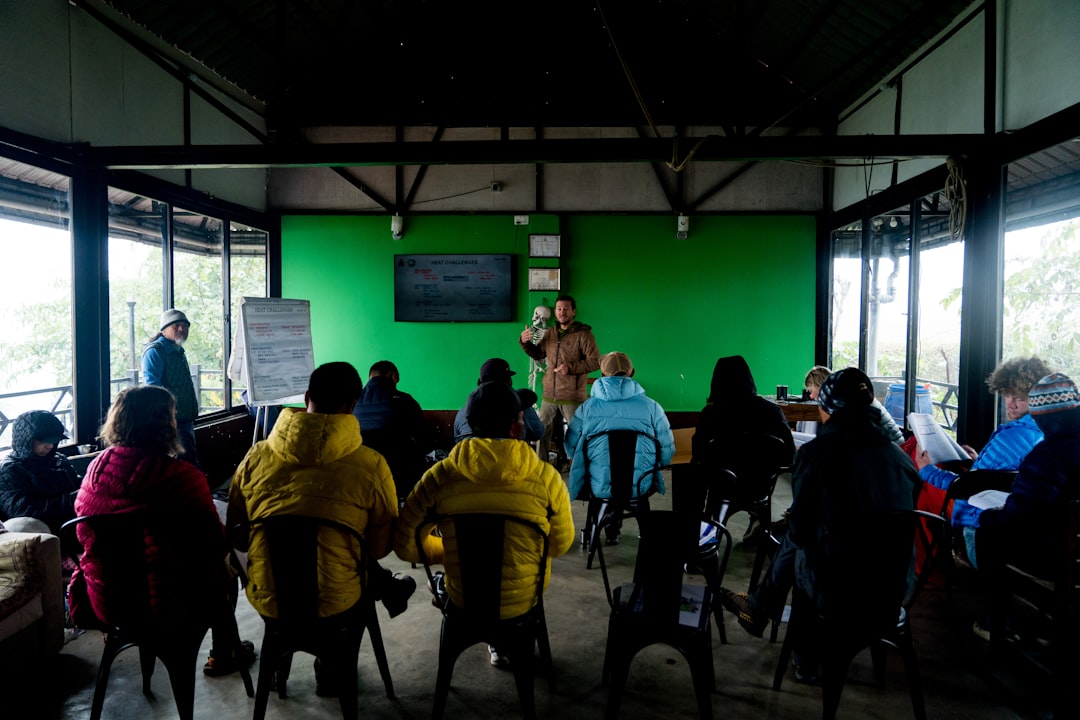
Leadership plays a crucial role in normalizing therapy use. Departments implementing confidential mental health programs report stronger morale and reduced absenteeism. Peer advocates and mental health check-ins after critical incidents significantly improve outcomes.
When respected members of teams openly discuss therapy benefits, stigma decreases rapidly. Cultural change happens when mental wellness becomes operational readiness.
How to Take the First Step
For first responders considering therapy:
- Choose providers experienced in trauma and first responder culture.
- Ask about EMDR, trauma-focused CBT, or somatic approaches.
- Verify confidentiality policies.
- Explore department-supported programs if available.
- Commit to at least several sessions before evaluating effectiveness.
Recovery is rarely linear, but modern PTSD therapies offer measurable progress. Many first responders report improved sleep, stronger relationships, renewed purpose, and restored emotional balance after treatment.
Conclusion
PTSD is not a personal failure—it is a biological response to extraordinary stress. First responders face experiences most individuals never encounter in a lifetime. The encouraging reality is that clinical science has advanced significantly, offering targeted, efficient, and compassionate treatments tailored to their needs.
Recognizing the signs early and seeking professional support can dramatically alter long-term outcomes. With the right therapy, first responders can continue serving their communities while protecting their own mental health.
Frequently Asked Questions (FAQ)
1. Is PTSD common among first responders?
Yes. Studies show significantly higher PTSD rates among first responders compared to the general population due to repeated trauma exposure.
2. How long does PTSD therapy typically take?
Treatment length varies. Some individuals experience noticeable improvement in 8–12 sessions with approaches like EMDR, while others may require longer-term support.
3. Can PTSD go away without therapy?
Some mild stress reactions resolve naturally, but persistent PTSD symptoms rarely disappear without targeted intervention.
4. Will seeking therapy affect a first responder’s career?
Confidential mental health services are widely available, and many departments now encourage therapy as part of wellness initiatives.
5. What if someone feels unsure whether their symptoms are “serious enough”?
If symptoms interfere with sleep, relationships, or job performance for more than a few weeks, a professional consultation is recommended.
6. Are medications necessary for PTSD treatment?
Not always. Many individuals improve with therapy alone, though medication may be helpful in moderate to severe cases.
7. Can family members participate in treatment?
Yes. Family-inclusive approaches often enhance recovery and strengthen support systems.
When those who protect the public prioritize their own mental health, everyone benefits.



Leave a Reply