In early 2024, TikTok quietly implemented stricter policies around its in-app messaging capabilities, resulting in temporary bans on outbound direct messages (DMs) for thousands of accounts. While these changes were aimed at curbing spam and inauthentic behavior, many small businesses — particularly those relying on automated tools to reach prospects — faced unexpected disruptions. The controversy has ignited a broader debate on automation in digital marketing, platform gatekeeping, and the delicate balance between user protection and business enablement.
- TLDR (Too Long, Didn’t Read)
- The Rise — and Abuse — of TikTok Auto-DM Tools
- The Impact of Messaging Bans on Small Businesses
- TikTok’s Policy Shift: Transparency and Accountability
- How Small Businesses Adapted and Recovered
- Automation vs Engagement: A Continuing Balancing Act
- Looking Ahead: Smarter Messaging Ecosystems
TLDR (Too Long, Didn’t Read)
The abuse of TikTok auto-DM tools by mass marketers and bot networks led to widespread messaging restrictions in 2024. Many small businesses were caught in the crossfire and temporarily lost access to direct outreach. These limitations sparked backlash, but also prompted both TikTok and affected businesses to implement new best practices. Gradually, messaging functionality was restored as legitimate users adapted to revised platform standards and outreach methods.
The Rise — and Abuse — of TikTok Auto-DM Tools
As TikTok grew into a powerhouse for content and commerce, businesses turned to automation to scale engagement. Third-party apps and browser extensions emerged that allowed creators and brands to send automated DMs to new followers, commenters, or hashtag users. While some used these tools responsibly to offer welcomes or promotions, others exploited them for mass spamming, phishing, and even impersonation.
Within months, TikTok’s direct messaging function began to resemble the wild west. Users reported:
- Floods of unsolicited promotional messages
- Messages with links to dubious websites or crypto scams
- Automated follow/unfollow strategies exploiting niche communities
By Q1 2024, TikTok had received over 18,000 reports of DM-related spam in just three weeks, triggering a swift internal review. In response, the platform began enforcing temporary blocks on DMs from accounts suspected of automation or unusual outreach patterns.
The Impact of Messaging Bans on Small Businesses
Unfortunately, the platform-wide sweep didn’t distinguish between bad actors and genuine users operating efficiently through approved automation. Among the hardest-hit were micro-businesses and solo entrepreneurs who had invested in DM as a high-conversion marketing channel. These accounts suddenly found themselves blocked from responding to prospects, continuing conversations, or even providing customer support.
Small businesses relying heavily on TikTok’s outreach ecosystem included:
- Independent coaches and consultants offering free resources via DM
- Beauty product sellers closing sales directly with interested viewers
- E-commerce stores directing followers to landing pages using automated replies
The most frustrating aspect for many was the lack of transparency. TikTok provided no advance warning, and the appeals process was muddled and inconsistent. Users received vague alerts about “violations of community messaging guidelines” — with little insight into what precisely had triggered the ban.
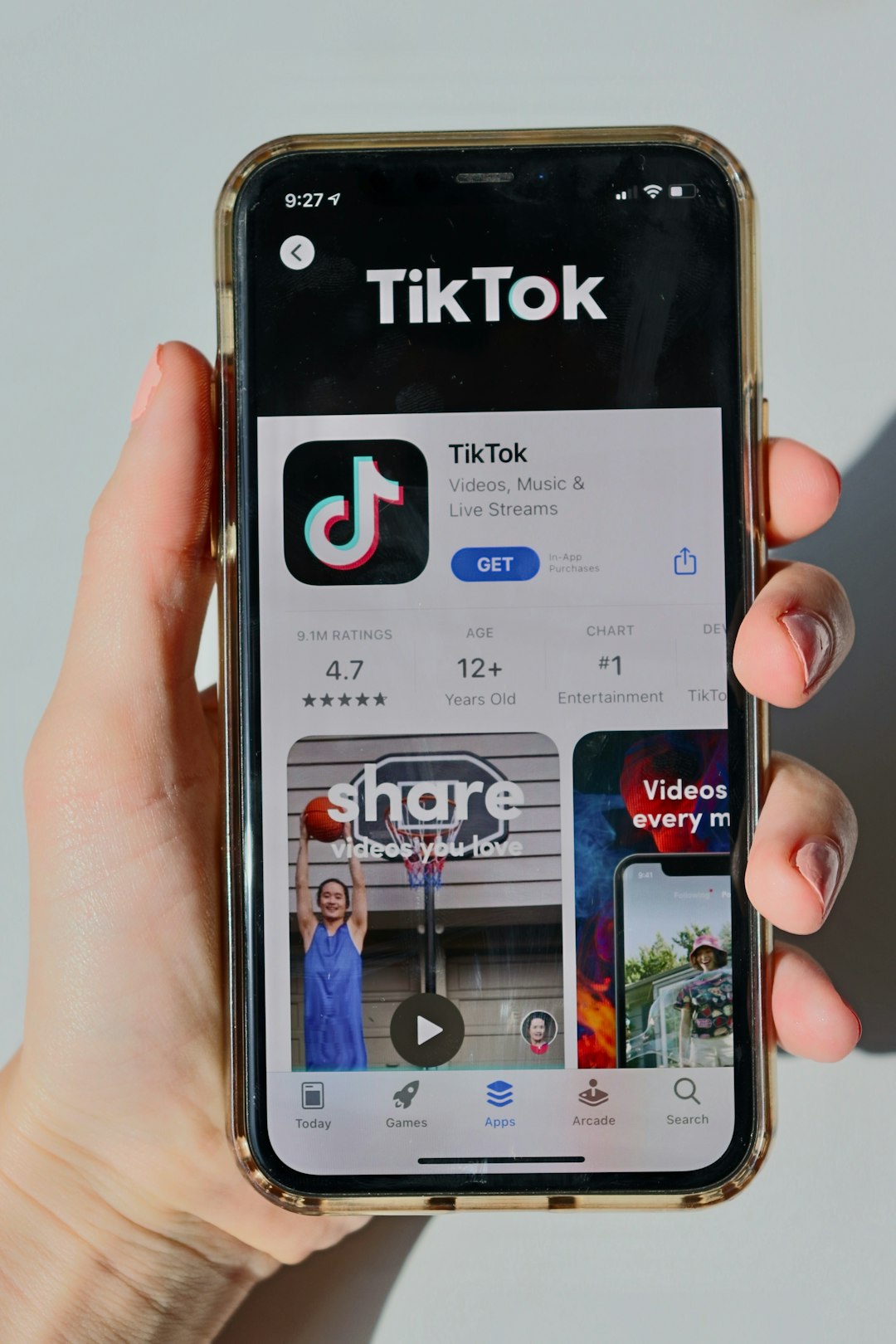
For small enterprises in competitive verticals, even a few days without messaging access meant lost sales, broken trust with new customers, and damaged momentum.
TikTok’s Policy Shift: Transparency and Accountability
Facing pushback from segments of its influencer economy, TikTok eventually clarified its revised policy on automation. In a blog post released in late March 2024, the company stated:
“We support meaningful communication and understand the role DMs play in creator-business relationships. However, automation tools must not mimic or replace human interaction in ways that degrade platform integrity, violate user consent, or contribute to message fatigue.”
Alongside this statement, TikTok updated its developer policies, explicitly banning unofficial API integrations that facilitated unsolicited auto-DMs. Accounts found using such tools would face messaging cooldowns or permanent restrictions, depending on the frequency and nature of the activity.
Signs of suspicious activity that TikTok now flags include:
- Sending over 50 DMs per hour to non-mutual followers
- Identical messaging patterns across numerous accounts
- Including external links with high bounce rates or poor domain reputation
These refined detection methods allowed TikTok to allocate enforcement more precisely, reducing false positives and eventually lifting restrictions on many small business accounts.
How Small Businesses Adapted and Recovered
While the storm hit hard, many small businesses used it as an inflection point to reassess their outreach strategies. Rather than seek loopholes around TikTok’s policies, they began experimenting with more compliant — and human-friendly — DM practices.
Key recovery and adaptation tactics included:
- Switching to “Comment to Claim” campaigns: Instead of sending messages proactively, businesses asked users to comment specific keywords to trigger a manual or semi-automated response.
- Using TikTok’s Lead Generation ads: These ad units allowed users to opt-in to offers via forms, preserving interest while avoiding unsolicited approaches.
- Implementing “Human First” automation: Tools that require approval or manual review before sending messages allowed businesses to maintain a personal touch and avoid bans.
- Building micro-communities off-platform: Directing users to email newsletters or Telegram groups gave businesses more control without violating TikTok’s terms.
The event also had a galvanizing effect on collaboration. Small entrepreneurs, community managers, and digital strategists gathered in groups on Reddit, LinkedIn, and Discord to share ban experiences and successful appeal templates. In effect, a decentralized support network formed, raising awareness about platform policy and ethical outreach methods.
Automation vs Engagement: A Continuing Balancing Act
The automation crackdown on TikTok reflects a tension seen across all major platforms: Where is the line between scaling effort and undermining user experience?
Experts argue that automation itself isn’t inherently problematic — rather, it’s the intent and frequency that determine its legitimacy. As platforms like TikTok mature, their incentive structures will likely favor authenticity, consent-based messaging, and quality engagement over quantity-driven tactics.
For businesses, the key takeaways are to:
- Periodically review outreach practices for alignment with platform updates
- Track engagement data to identify optimal messaging cadences
- Invest in content that generates inbound interest and encourages followers to initiate contact
Those who embrace platform-native tools — rather than exploiting unofficial workarounds — will be better positioned to build lasting relationships in digital-first marketplaces.
Looking Ahead: Smarter Messaging Ecosystems
As TikTok continues to build trust in its social commerce features, it is likely to release enhanced messaging APIs for verified business accounts. This future step could include rate-limiting protections, opt-in preferences, and friction-reducing integrations with CRM tools. But access will almost certainly be gated by compliance history and user report thresholds.
Moreover, TikTok’s move signals that platforms are listening. The backlash from innocent accounts prompted genuine reassessment and smarter enforcement. In this incident, small businesses not only regained their voice — they helped shape the rules for responsible automation going forward.
In the broader view, the Auto-DM messaging bans of 2024 aren’t just about TikTok — they’re a case study in how modern tech businesses must remain agile, transparent, and deeply user-centric. As the line between personal and professional communication continues to blur, success will belong to those who treat access to customer inboxes not as an entitlement, but as a privilege.



Leave a Reply