In the ever-evolving world of commerce, capturing consumer attention is more difficult than ever. With a constant barrage of advertisements across every digital and traditional channel, many businesses are seeking innovative approaches to stand out. This brings us to alternative marketing strategies — creative, unconventional methods used to connect with audiences in memorable ways.
TL;DR: Traditional marketing isn’t the only path to success. Alternative marketing strategies like guerrilla marketing, influencer collaborations, and experiential campaigns can foster deeper customer relationships and brand loyalty. These tactics often require more creativity than budget but can achieve impressive returns. The key is to understand your audience and deliver unique, engaging experiences that resonate.
What Are Alternative Marketing Strategies?
Alternative marketing strategies deviate from conventional channels like TV, radio, and direct mail to embrace more unique, engaging methods. These approaches often focus on creating buzz, fostering community, or tapping into the emotional core of the target audience. They may rely more heavily on creativity, timing, or direct interaction than hefty budgets.
Some common forms of alternative marketing include:
- Guerrilla marketing – low-cost, high-impact campaigns in public spaces
- Influencer partnerships – collaborating with niche opinion leaders
- Experiential marketing – immersive, memorable brand experiences
- Viral or meme marketing – content designed to rapidly spread online
- Street teams and word-of-mouth – generating buzz through grassroots efforts
Why Alternative Strategies Matter
Consumers today are more resistant to traditional advertising. Banner blindness, ad blockers, and general skepticism toward marketing make it harder than ever to capture attention using standard methods. Alternative marketing strategies provide an opportunity to connect in fresher and more authentic ways.
Benefits of alternative methods include:
- Increased engagement: Because these strategies are unexpected, they often get more attention and interaction.
- Higher shareability: Creative campaigns are more likely to go viral on social platforms.
- Cost efficiency: Many tactics are budget-friendly compared to traditional media buys.
- Deeper impact: Engaging campaigns can leave lasting impressions and foster brand loyalty.
Best of all, these methods allow brands to show their personality and values in unique ways, building authentic connections with potential customers.
Popular Forms of Alternative Marketing
1. Guerrilla Marketing
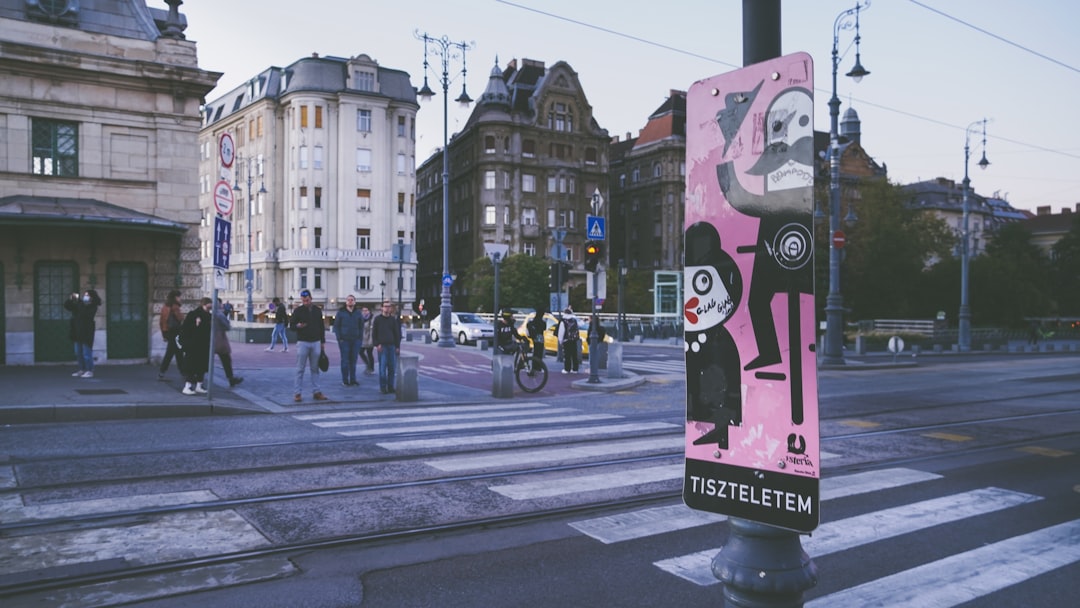
This strategy involves using surprise, humor, or shock in unexpected places. You might recall flash mobs in city centers or eye-catching street installations — all examples of guerrilla marketing in action.
Guerrilla marketing is perfect for brands that want to:
- Reach target audiences in physical spaces
- Generate local buzz and attract media coverage
- Leave a lasting impression through creativity
Example: A shoe brand paints a series of cracked sidewalks leading up to a storefront, subtly implying that individuals wearing their shoes can avoid damaging the street.
2. Influencer and Micro-Influencer Marketing
While influencer marketing is no longer brand-new, it remains an essential part of the alternative toolkit. Particularly with micro-influencers — individuals with smaller but highly engaged followings — marketers can tap into trustworthy, niche communities.
Micro-influencers tend to have more authentic relationships with their followers, often resulting in higher conversion rates than their celebrity counterparts.
Tips for effective influencer collaborations:
- Choose influencers whose values align with your brand
- Allow creative freedom for them to communicate authentically
- Prioritize engagement over follower count
3. Experiential Marketing
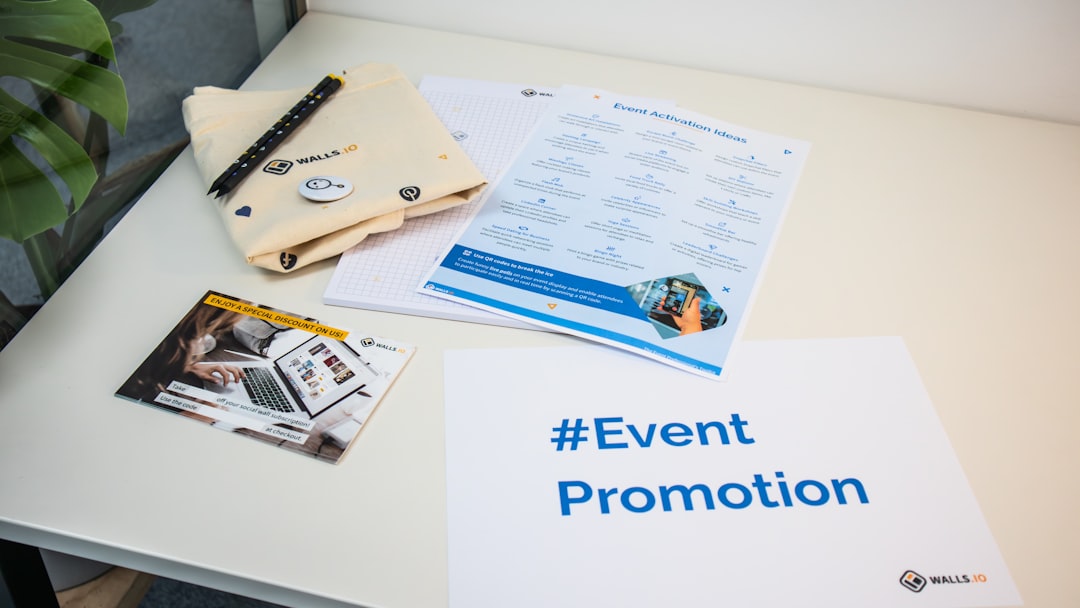
Immersive and sensory-rich brand experiences create deep emotional connections. Pop-up shops, live events, virtual reality (VR) immersions, or interactive product demos all fall under experiential marketing.
This approach is incredibly effective for forging a bond between brand and customer. The more memorable the experience, the more likely customers will become loyal fans, not just one-time buyers.
4. Viral and Meme Marketing
In the digital age, one well-timed and brilliantly executed meme can generate thousands — if not millions — of likes, shares, and brand impressions. Brands that are quick-witted and culturally aware can thrive in this space.
While viral success can’t be guaranteed, your chances improve if your content is:
- Relatable and humorous
- Timely, using trending formats or topics
- Simple enough to spread fast
Pro tip: Use memes carefully. Brands that come across as inauthentic or trying too hard can quickly become the subject of ridicule — the opposite of your goal.
5. Street Teams and Grassroots Engagement
This strategy involves your most passionate fans acting as brand ambassadors to spread awareness. From handing out samples to hosting events or sharing promotions within friend networks, street teams build buzz at the ground level.
This approach can be particularly beneficial for startups and local businesses looking to make a name in specific communities or campuses. It leverages personal influence and peer endorsements — forms of trust money can’t buy.
How to Choose the Right Strategy
No one-size-fits-all solution exists when it comes to alternative marketing. Choosing the right approach should depend on your:
- Audience: What are their behaviors, interests, and preferred channels?
- Brand identity: Are you fun and irreverent, or more sophisticated and thoughtful?
- Budget and resources: Some tactics require time more than money, and vice versa.
- Goals: Are you aiming for awareness, conversion, or community-building?
You might even consider a hybrid strategy — combining, for example, a guerrilla street campaign with influencer amplification to extend digital reach.
Measuring Alternative Marketing Success
While traditional ROI may be more difficult to quantify with these unconventional strategies, performance can still be evaluated using:
- Impressions and reach (for viral campaigns)
- Social engagement metrics (likes, shares, comments)
- Foot traffic (for physical events or installations)
- Customer feedback and sentiment
- Sales conversions and referral links (for influencer codes or affiliate sales)
Combining qualitative and quantitative data can offer a more complete picture of your campaign’s effectiveness.
Success Stories That Inspire
Several brands have shown the power of alternative marketing:
- IKEA: Transformed a subway station in Paris into a cozy showroom, earning massive media attention.
- ALS Ice Bucket Challenge: A viral campaign that raised $115 million for ALS research through a simple, shareable challenge.
- Glossier: Built its beauty empire primarily through Instagram engagement, influencers, and community-driven feedback loops.
Final Thoughts
As advertising fatigue increases, alternative marketing strategies offer a breath of fresh air. Whether you’re a startup with a tiny budget or an established company looking to revamp brand perception, these approaches can be surprisingly powerful in driving engagement and building community.
By daring to be different, brands can inspire not just customers — but loyal advocates who share, support, and champion your mission. Sometimes the best results come not from shouting the loudest, but from connecting the most meaningfully.



Leave a Reply