Farming has always depended on the sky and the soil. Too much rain can ruin a crop. Too little can do the same. Today, farmers do not have to guess what is happening in their fields. They can open an app and see real-time data about weather and soil. Agriculture software has changed the way food is grown, making farms smarter, safer, and more productive.
TLDR: Agriculture software helps farmers track weather and soil conditions in real time. It uses sensors, satellite data, and smart dashboards to give clear insights. Farmers can make faster decisions, reduce waste, and grow healthier crops. These tools save money, time, and resources while increasing yields.
Let’s explore how this technology works and why it matters so much.
- Why Weather and Soil Data Matter
- How Agriculture Software Works
- Key Features to Look For
- Popular Agriculture Software Tools
- Comparison Chart
- The Power of Soil Sensors
- Satellite and Drone Support
- Benefits for Farmers
- Simple Example: A Day in the Life
- Data and Artificial Intelligence
- Challenges to Consider
- The Future of Smart Farming
- Is It Worth It?
- Final Thoughts
Why Weather and Soil Data Matter
Crops are sensitive. They react to temperature, moisture, sunlight, and nutrients. Even small changes can impact growth.
Here is why monitoring matters:
- Rainfall tracking: Helps prevent overwatering or underwatering.
- Temperature monitoring: Protects crops from frost or heat waves.
- Soil moisture levels: Guides smart irrigation decisions.
- Soil nutrient data: Improves fertilizer use.
- Wind conditions: Helps plan spraying schedules.
Without data, farmers rely on experience and guesswork. Experience is valuable. But data makes it sharper.
How Agriculture Software Works
Agriculture software collects information from many sources. It brings everything into one simple dashboard.
Common data sources include:
- Weather stations placed on the farm.
- Soil sensors buried in the ground.
- Satellite imagery from space.
- Drones flying over fields.
- Local weather forecasts from meteorological services.
The software analyzes this data. It then shows easy-to-read charts and alerts. Many platforms also send phone notifications.
Image not found in postmetaImagine standing in your field. Instead of guessing, you check your phone. You see soil moisture at 32%. Rain expected in 12 hours. Irrigation not needed. That saves water and money.
Key Features to Look For
Not all farm software is the same. Good tools share some basic features.
1. Real-Time Weather Updates
Up-to-the-minute reports help farmers act fast. Sudden frost warnings can protect crops overnight.
2. Soil Moisture Monitoring
This feature prevents overwatering. It also keeps roots healthy.
3. Predictive Forecasting
Some tools use artificial intelligence. They predict future weather trends and disease risks.
4. Irrigation Planning
Smart scheduling reduces waste. It applies water only when needed.
5. Mobile Access
Farmers work outdoors. They need mobile-friendly apps.
6. Data Visualization
Charts and color maps make complex data easy to understand.
Popular Agriculture Software Tools
Here are some well-known platforms that focus on weather and soil monitoring:
- Climate FieldView
- Granular
- CropX
- John Deere Operations Center
- FarmLogs
Comparison Chart
| Software | Weather Tracking | Soil Monitoring | Mobile App | Best For |
|---|---|---|---|---|
| Climate FieldView | Yes | Basic integration | Yes | Large crop farms |
| Granular | Yes | Limited | Yes | Farm management and planning |
| CropX | Yes | Advanced sensors | Yes | Precision irrigation |
| John Deere Operations Center | Yes | Equipment integrated | Yes | Equipment heavy farms |
| FarmLogs | Yes | Moderate | Yes | Small to mid size farms |
The Power of Soil Sensors
Soil sensors are small but mighty. They sit underground and measure:
- Moisture content
- Temperature
- Salinity
- Nutrient levels
They send data wirelessly to the software dashboard. Farmers can check readings at any time.
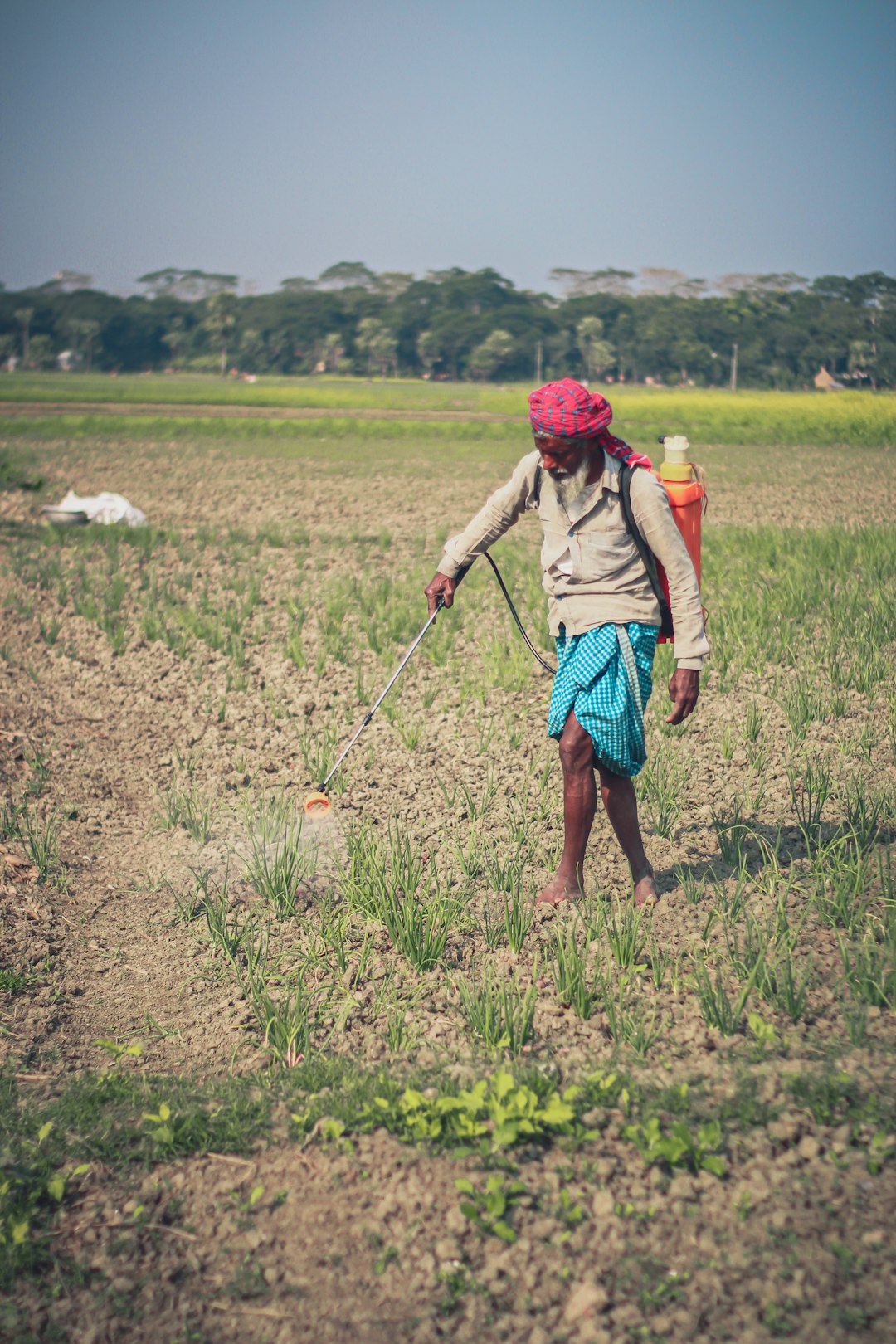
This leads to precise irrigation. Instead of watering the entire field evenly, farmers can water only dry areas. This is called precision agriculture.
Satellite and Drone Support
Some agriculture software includes satellite imagery. This shows crop health from above.
Satellites detect plant stress before the human eye can see it. They measure how plants reflect light. Unhealthy plants reflect light differently.
Drones add another layer. They fly lower than satellites. They provide detailed, close-up images.
- Spot pest damage early.
- Detect nutrient shortages.
- Map uneven growth zones.
When combined with weather data, these images become powerful decision tools.
Benefits for Farmers
Using agriculture software offers many clear benefits.
1. Higher Yields
Better decisions mean healthier crops. Healthy crops produce more.
2. Water Savings
Smart irrigation can reduce water usage by up to 30% in some cases.
3. Lower Costs
Farmers reduce waste. They use less fertilizer and fewer chemicals.
4. Risk Reduction
Weather alerts prevent major losses from frost or storms.
5. Environmental Protection
Precise fertilizer use reduces runoff into rivers and lakes.
Simple Example: A Day in the Life
Let’s imagine a corn farmer named Ana.
She wakes up at 6 AM. She checks her agriculture app.
- Soil moisture is low in the north field.
- Rain is expected tomorrow afternoon.
- High winds are predicted today.
Ana decides to delay spraying because of the wind. She schedules light irrigation for the dry zone only. She avoids watering the rest of the farm since rain is coming.
Without software, Ana might have sprayed chemicals in windy conditions. That would waste product. It could even damage nearby crops.
Small daily decisions make a big yearly difference.
Data and Artificial Intelligence
Modern platforms do more than display numbers. They analyze trends.
Artificial intelligence looks at:
- Past weather patterns
- Historical yields
- Soil history
- Crop performance
The system can suggest planting dates. It can warn about possible disease outbreaks. It can recommend fertilizer adjustments.
This is like having a digital agronomist on call 24/7.
Challenges to Consider
Technology is powerful. But it also comes with challenges.
- Cost: Sensors and subscriptions can be expensive.
- Internet access: Rural areas may have weak signals.
- Learning curve: Farmers need training to use tools effectively.
- Data security: Farm data must be protected.
However, many farmers find that the long-term savings outweigh the startup costs.
The Future of Smart Farming
Technology keeps improving. Future agriculture software may include:
- Fully automated irrigation systems.
- Robots that respond to soil data in real time.
- Hyper-local climate modeling.
- Even more accurate satellite imaging.
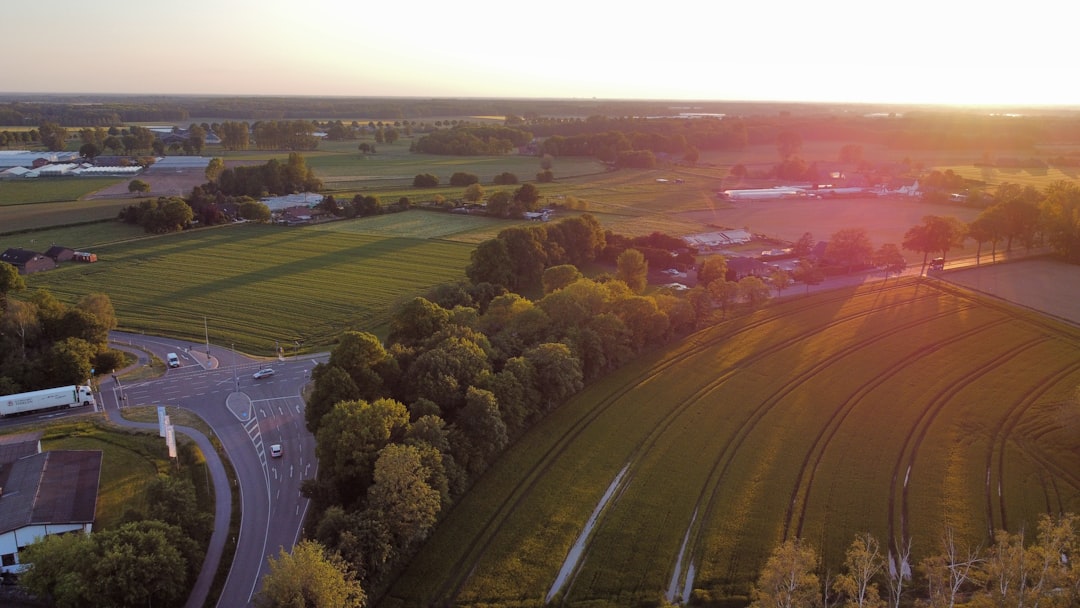
Climate change makes farming less predictable. Weather patterns shift. Droughts and floods become more common.
This makes monitoring tools even more important. Data helps farmers adapt. It reduces uncertainty.
Is It Worth It?
For many farms, the answer is yes.
If you grow crops on a small backyard plot, you may not need advanced software. But for commercial farms, data can mean survival.
The return on investment can show up through:
- Increased crop output
- Reduced water bills
- Lower fertilizer costs
- Fewer crop failures
Farming will always involve hard work. That part will not change. But the tools farmers use are becoming smarter every year.
Final Thoughts
Agriculture software that monitors weather and soil conditions is not just a trend. It is a transformation. It turns raw data into simple actions. It gives farmers confidence in uncertain environments.
With clear dashboards, smart alerts, and real-time insights, farmers can focus on what they do best. Growing food for the world.
Smarter farms mean stronger harvests. And that benefits everyone.


Leave a Reply