Finding the right talent has become one of the most critical challenges for growing organizations. As hiring volumes increase and candidate expectations evolve, companies are turning to structured applicant tracking systems (ATS) to maintain efficiency, compliance, and a high-quality candidate experience. While Greenhouse is widely recognized as a leading recruitment platform, it is not the only robust solution available for modern HR teams seeking scalability and data-driven hiring processes.
TLDR: Companies seeking alternatives to Greenhouse have several powerful recruitment and applicant tracking platforms to consider. Lever, iCIMS, and SmartRecruiters each provide advanced sourcing, automation, analytics, and candidate management tools designed to support structured hiring at scale. These platforms offer varying strengths in usability, enterprise integration, and global recruitment capabilities. Choosing the right one depends on your company’s size, complexity, and long-term hiring strategy.
Below, we examine three reputable HR recruitment platforms like Greenhouse that provide comprehensive hiring and applicant tracking functionality for organizations committed to structured, data-informed recruitment.
1. Lever
Lever has established itself as a powerful talent acquisition suite that combines applicant tracking with candidate relationship management (CRM) functionality. Known for its intuitive interface and collaborative hiring tools, Lever is especially well-suited to growing companies that want transparency and structure in their recruiting processes.
Core Strengths
- Unified ATS and CRM: Lever allows recruiters to nurture candidates over time, rather than only tracking active applicants.
- Collaborative Hiring Tools: Structured interview kits, feedback forms, and automated reminders improve alignment between hiring managers and recruiters.
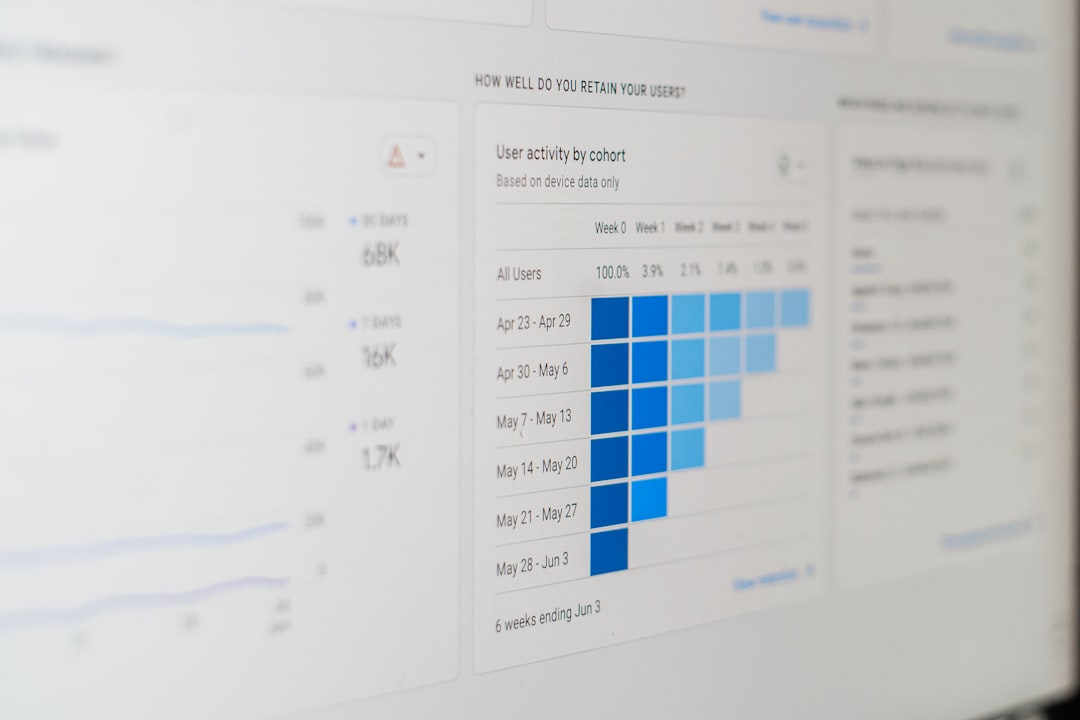
- Advanced Analytics: Customizable dashboards measure time-to-hire, pipeline health, diversity metrics, and recruiter performance.
- Automation Capabilities: Workflow automation reduces administrative burden through triggered actions and scheduling tools.
One of Lever’s most compelling advantages is its emphasis on proactive recruiting. Rather than treating recruiting as a reactive process, Lever encourages talent pooling and long-term relationship building. This can be particularly valuable for organizations hiring in competitive industries such as technology, healthcare, or finance.
Who It’s Best For
Lever is well-suited for mid-sized organizations and scaling companies that require:
- Strong collaboration between hiring teams
- Structured interview processes
- Comprehensive reporting capabilities
- Integrated candidate nurturing tools
Companies transitioning from spreadsheets or basic ATS platforms often find Lever to be a structured yet accessible step forward.
2. iCIMS Talent Cloud
iCIMS is a long-established enterprise hiring solution trusted by large organizations across industries. Its Talent Cloud platform offers extensive configurability, making it especially attractive for global or highly regulated organizations with complex hiring requirements.

Core Strengths
- Enterprise-Grade Scalability: Designed to support high-volume and multi-location hiring operations.
- Robust Integration Ecosystem: Connects with HRIS systems, background check providers, onboarding tools, and assessment platforms.
- Compliance and Reporting: Advanced audit trails and regulatory compliance features help organizations maintain legal integrity.
- Global Capabilities: Multilingual functionality and international compliance support global recruitment efforts.
Unlike some modern ATS platforms that prioritize simplicity, iCIMS focuses on depth and configurability. Enterprises with specialized workflows, internal mobility programs, or unionized hiring policies often benefit from its flexibility.
Additionally, iCIMS offers modular extensions such as candidate relationship management, onboarding, and offer management. This enables organizations to construct a comprehensive recruitment ecosystem within a single platform.
Who It’s Best For
iCIMS is particularly appropriate for:
- Large enterprises and multinational corporations
- Organizations with strict regulatory requirements
- High-volume recruitment environments
- Companies seeking deep customization
Although implementation may require a more substantial investment of time and resources compared to smaller platforms, the long-term scalability makes iCIMS a strategic option for complex organizations.
3. SmartRecruiters
SmartRecruiters positions itself as a modern, user-friendly hiring platform that supports collaborative recruiting at scale. It combines enterprise-grade features with a streamlined interface, making it one of the most balanced alternatives to Greenhouse.
Core Strengths
- Intuitive User Experience: Clean dashboards reduce training time for hiring managers.
- Built-In Marketplace: Access to third-party integrations directly within the platform.
- AI-Powered Matching: Candidate recommendations based on job criteria and hiring patterns.
- Mobile Accessibility: Recruiters and hiring managers can manage pipelines on the go.
SmartRecruiters excels at striking a balance between structure and flexibility. Its workflows support standardized interview scorecards and approval processes while remaining adaptable for different departments or regions.
Another notable feature is its emphasis on candidate experience. Branded career pages, automated communication, and interview scheduling tools help maintain professionalism throughout the hiring journey. In competitive markets, this can significantly influence offer acceptance rates.
Who It’s Best For
- Mid-to-large organizations seeking scalability without excessive complexity
- Companies focused on strong candidate experience
- Recruitment teams requiring easy onboarding for hiring managers
- Businesses expanding internationally
Key Factors to Consider When Choosing an Alternative to Greenhouse
While each platform offers robust functionality, selecting the right recruitment system requires a thorough assessment of your organizational needs. Key decision criteria include:
- Company Size and Hiring Volume: Enterprise systems may be excessive for smaller teams, while lightweight platforms can restrict large-scale operations.
- Integration Requirements: Ensure compatibility with payroll systems, HRIS software, assessment tools, and onboarding platforms.
- Customization vs. Simplicity: Some platforms prioritize configurability; others emphasize ease of use.
- Data Security and Compliance: Particularly important for organizations operating across multiple jurisdictions.
- Reporting and Analytics: Data visibility is essential for improving hiring efficiency and maintaining accountability.
Additionally, consider implementation timelines and resource availability. Complex enterprise solutions often require dedicated technical support and structured onboarding processes.
How These Platforms Compare to Greenhouse
Greenhouse is known for structured hiring methodologies, data-driven decision-making, and strong integration capabilities. The three platforms discussed here mirror many of these strengths while offering nuanced differences:
- Lever emphasizes relationship-driven recruiting and CRM functionality.
- iCIMS provides enterprise-level scalability and compliance tools.
- SmartRecruiters blends usability with global adaptability.
Organizations evaluating these options should conduct pilot programs or request customized demonstrations. Involving recruiters, hiring managers, IT teams, and compliance stakeholders in the selection process often results in a more sustainable decision.
Final Thoughts
Investing in a comprehensive recruitment and applicant tracking platform is no longer optional for competitive organizations. Structured hiring processes reduce bias, accelerate decision-making, and enhance candidate experience. While Greenhouse remains a reputable choice, alternatives such as Lever, iCIMS, and SmartRecruiters offer equally compelling features tailored to different organizational needs.
By carefully evaluating recruitment goals, integration requirements, compliance considerations, and scalability expectations, companies can identify a platform that not only manages applicants efficiently but also strengthens long-term talent acquisition strategy. In today’s demanding hiring landscape, the right technology partnership is a strategic advantage — not merely an operational tool.
Ultimately, the most effective HR recruitment platform is one that aligns with your growth trajectory, empowers hiring teams with actionable insights, and ensures every candidate interaction reflects professionalism and strategic intent.



Leave a Reply