As artificial intelligence continues to evolve, archives of AI-generated conversations and content are becoming valuable resources for researchers, developers, and curious users alike. The PolyBuzz AI Archive is one such resource—a structured collection of conversations, data sets, and AI-generated outputs designed for exploration, analysis, and learning. Whether you’re a student researching AI communication patterns or a developer looking for inspiration, understanding how to access and navigate this archive efficiently can save you time and unlock powerful insights.
TLDR: Accessing the PolyBuzz AI Archive involves creating an account, verifying your credentials, navigating the internal dashboard, and using built-in search and filter tools to locate content. Some sections may require additional permissions or tiered access. Once inside, you can explore, download, or analyze archived materials using advanced search options. A structured approach ensures you find exactly what you need without getting overwhelmed.
- What Is the PolyBuzz AI Archive?
- Step 1: Create Your PolyBuzz Account
- Step 2: Verify Access Permissions
- Step 3: Navigate the Archive Dashboard
- Step 4: Use Advanced Search Techniques
- Step 5: Preview and Analyze Entries
- Step 6: Download Data from the Archive
- Step 7: Respect Data Ethics and Compliance
- Troubleshooting Common Access Issues
- Best Practices for Efficient Archive Research
- Why the PolyBuzz AI Archive Matters
- Final Thoughts
What Is the PolyBuzz AI Archive?
The PolyBuzz AI Archive is a centralized repository that stores AI-generated interactions, experimental conversation logs, structured datasets, and sometimes meta-information about prompts and models used. The archive helps users:
- Study AI communication patterns
- Access historical chat data
- Research prompt engineering techniques
- Analyze AI performance trends over time
- Download curated datasets for experimentation
Think of it as a specialized digital library—but instead of books, it contains structured AI intelligence outputs.
Step 1: Create Your PolyBuzz Account
Before accessing the archive, you’ll need a registered account. Most AI archives operate under user-based access models to protect sensitive data and track usage.
How to Register
- Visit the official PolyBuzz platform homepage.
- Click on the Sign Up or Create Account button.
- Enter your email address, username, and password.
- Verify your email via the confirmation link sent to your inbox.
Once completed, you’ll gain access to the main dashboard. Some areas of the archive may be restricted until further verification steps are completed.
Pro Tip
Use a professional email address if you’re accessing the archive for academic or research purposes. Some archive tiers prioritize institutional accounts.
Step 2: Verify Access Permissions
Not all archive content is publicly available. PolyBuzz may categorize its data into:
- Public Access – Open datasets and general AI chat samples
- Research Access – Structured experimental datasets
- Premium Access – Advanced logs, proprietary experiments
To upgrade your access level, you may need to:
- Submit a short application
- Describe your research purpose
- Agree to data usage policies
- Accept non-disclosure or ethical AI terms
Carefully review the archive’s Terms of Service before proceeding. AI datasets sometimes contain anonymized but sensitive contextual material.
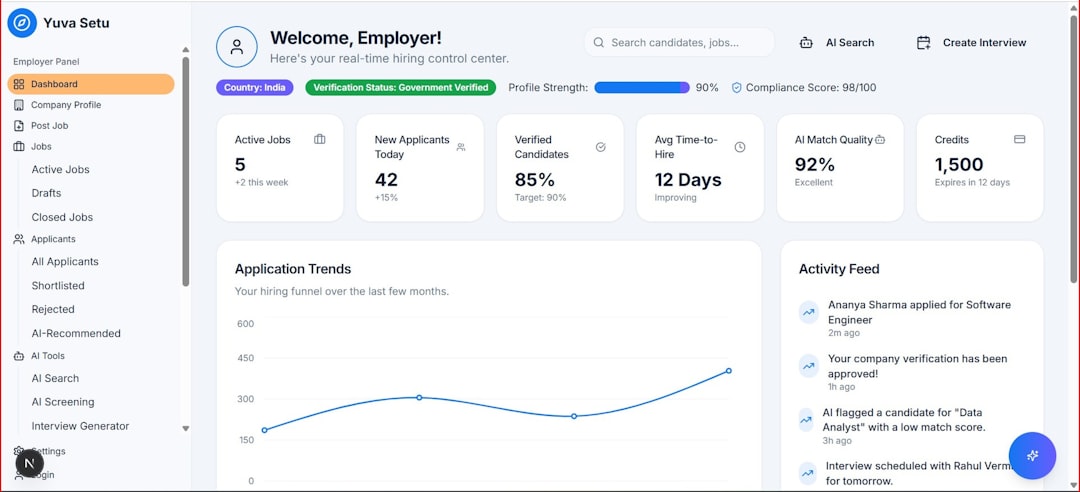
After logging in, you’ll land on the PolyBuzz dashboard. This typically includes:
- A navigation sidebar
- Search bar at the top
- Filter tools
- Category selection panel
- Download manager section
Main Sections Explained:
1. Search Bar
This is your quickest route to specific data. You can search by:
- Keyword
- Conversation ID
- Date range
- Model version
2. Category Filters
Filters allow you to narrow results by:
- Topic (technology, health, education, etc.)
- Conversation length
- Model type
- User rating or interaction score
3. Tags and Metadata
Each archive entry often includes metadata fields such as:
- Timestamp
- Prompt structure
- Language
- Response format type
Using tags strategically helps you avoid manual browsing through thousands of entries.
Step 4: Use Advanced Search Techniques
If you’re conducting detailed research, the Advanced Search feature will be your best friend.
Boolean Operators
Many archives support operators like:
- AND – Narrows results
- OR – Expands results
- NOT – Excludes certain keywords
Example search query:
education AND chatbot NOT medical
Date Filtering
Want to see how AI responses evolved over time? Filter by specific years or development phases.
Model Version Comparison
Some archives allow side-by-side comparisons of how different AI model versions responded to identical prompts.
This feature is especially useful for:
- Developers testing improvements
- Researchers studying bias reduction
- Writers analyzing stylistic progression
Step 5: Preview and Analyze Entries
Before downloading anything, you can typically preview archive entries directly in the browser.
What a Preview Includes
- Full conversation transcript
- Prompt submission structure
- AI response breakdown
- Confidence or quality score (if available)
Use preview mode to confirm that the entry matches your needs. This prevents unnecessary downloads and keeps your workspace organized.
Annotation and Notes
Some PolyBuzz user accounts allow:
- Saving entries to favorites
- Adding private annotations
- Exporting structured notes
If you’re writing a thesis or white paper, these features can significantly streamline your workflow.
Step 6: Download Data from the Archive
Once you’ve found relevant content, you can download it—provided your access level permits it.
Typical Download Formats
- CSV – For spreadsheet analysis
- JSON – For developers and structured data projects
- PDF – For readable static documentation
- TXT – Lightweight transcript access
Always review:
- Data licensing terms
- Usage restrictions
- Citation requirements
Some datasets require formal attribution in published research.
Step 7: Respect Data Ethics and Compliance
Accessing AI archives comes with responsibility. Even anonymized data must be handled ethically.
Key Guidelines:
- Do not attempt to re-identify users.
- Follow institutional review guidelines if applicable.
- Store downloaded data securely.
- Avoid redistribution if not permitted.
Many archives log data access activity to prevent misuse. Transparency and compliance protect both users and the platform.
Troubleshooting Common Access Issues
Login Problems
- Reset your password.
- Clear browser cache.
- Ensure your email verification is complete.
Permission Denied Errors
- Check your account tier.
- Submit an access upgrade request.
- Contact archive support if necessary.
Slow Search Performance
- Use narrower search filters.
- Avoid overly broad keywords.
- Download smaller batches of data.
Best Practices for Efficient Archive Research
To make the most of the PolyBuzz AI Archive:
- Create a clear research objective before searching.
- Use structured queries rather than generic keywords.
- Save results incrementally instead of bulk downloading everything.
- Document your search parameters for reproducibility.
Approaching the archive systematically transforms a massive dataset into a precise, searchable knowledge base.
Why the PolyBuzz AI Archive Matters
AI is evolving rapidly. Access to historical interactions allows researchers and developers to:
- Track improvements in reasoning quality
- Identify and analyze bias patterns
- Improve prompt engineering techniques
- Study linguistic adaptability
In many ways, archives like PolyBuzz serve as digital time capsules, preserving the evolution of machine intelligence. For academics, they represent fertile ground for research. For developers, they function as a performance benchmarking lab. For enthusiasts, they offer a glimpse into how AI systems grow and adapt over time.
Final Thoughts
Accessing the PolyBuzz AI Archive may seem complex at first, but the process becomes intuitive once you understand the structure: register, verify, search strategically, preview responsibly, and download ethically. By combining careful navigation with advanced filtering techniques, you can uncover precise datasets tailored to your needs.
Whether you’re conducting research, analyzing AI development, or simply exploring the fascinating world of machine-generated conversations, following this step-by-step guide ensures you’ll access the archive efficiently—and make the most of everything it offers.



Leave a Reply