As application architectures evolve toward highly connected, data-intensive systems, many development teams are reassessing their database foundations. While EdgeDB introduced a fresh, developer-friendly approach to relational data with graph-like querying capabilities, some organizations are now exploring alternatives that offer broader ecosystem support, operational maturity, or different scaling characteristics. Moving away from an established data layer is a serious decision, and developers are carefully comparing next-generation relational databases that blend structured querying with graph features.
TLDR: Teams moving away from EdgeDB are typically evaluating databases that combine relational integrity with graph-style traversal and flexible querying. Leading alternatives include PostgreSQL with extensions, Neo4j, CockroachDB, YugabyteDB, ArangoDB, and Microsoft Azure Cosmos DB. Each offers different trade-offs in scalability, ecosystem maturity, and graph-native functionality. Selecting the right platform depends on workload patterns, distribution requirements, and long-term operational goals.
Below are six prominent solutions developers frequently compare when migrating from EdgeDB, along with the strengths and trade-offs that influence these decisions.
1. PostgreSQL with Graph Extensions
PostgreSQL remains the most common point of comparison. Its maturity, reliability, and extensive ecosystem make it a natural fallback or forward path when teams want relational stability with optional graph functionality.
Developers can enhance PostgreSQL with:
- pgGraph or similar graph extensions
- PostGIS for spatial graph use cases
- Recursive CTEs for hierarchical traversal
- JSONB for semi-structured flexibility
PostgreSQL does not provide native graph modeling in the same way as purpose-built graph databases, but advanced SQL constructs allow sophisticated relationship queries. For many teams, this hybrid approach strikes a balance between flexibility and operational confidence.
Why teams choose it:
- Deep community support
- Battle-tested reliability
- Massive tooling ecosystem
- Cloud provider compatibility
Watch-outs:
- Graph queries can become complex and verbose
- Not optimized specifically for deep traversal workloads
2. Neo4j
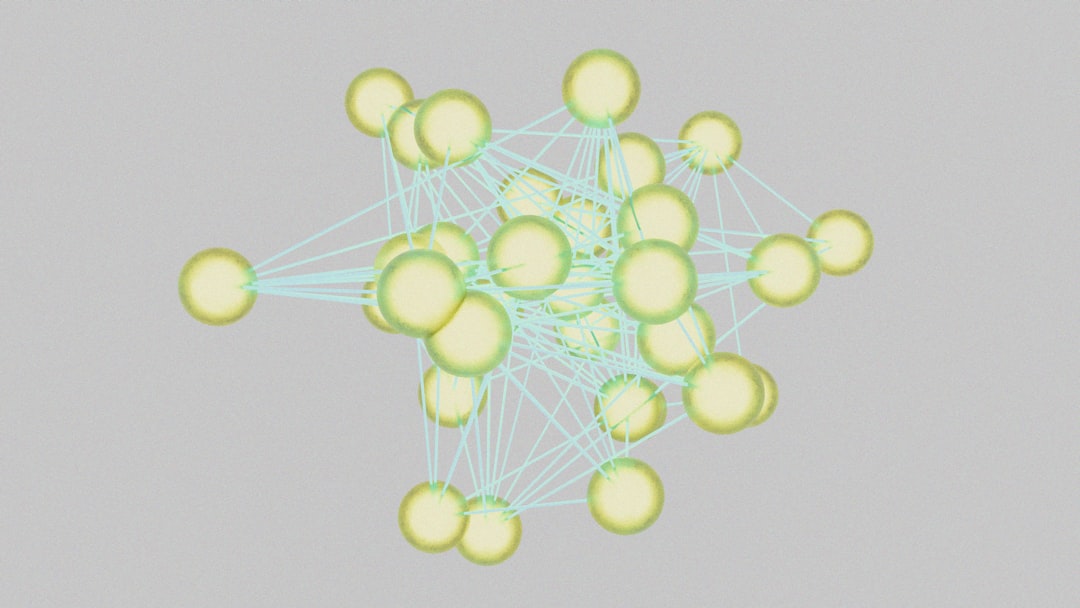
Neo4j represents a more direct move toward graph-native design. While not a traditional relational database, it is often evaluated by teams that heavily rely on relationship-rich data models and recursive traversal patterns.
Neo4j emphasizes:
- Native graph storage
- Cypher query language
- Efficient multi-hop traversals
- Strong visualization tooling
Teams migrating from EdgeDB sometimes appreciate Neo4j’s expressiveness for social graphs, recommendation engines, fraud detection systems, and knowledge graphs. However, adopting it means moving further from the SQL-first relational paradigm.
Why teams choose it:
- High-performance graph traversal
- Intuitive pattern-based queries
- Clear relationship modeling
Watch-outs:
- Less suitable for traditional transactional workloads
- May require architectural changes
- Smaller SQL-based ecosystem
3. CockroachDB
CockroachDB is often evaluated by teams that prioritize distributed SQL capabilities. It offers horizontal scalability and strong consistency across regions while retaining PostgreSQL compatibility.
Although not a graph-native database, CockroachDB supports complex joins and relational modeling that can approximate graph patterns in globally distributed environments.
Key advantages:
- Automatic replication and failover
- Strong consistency
- PostgreSQL wire compatibility
- Designed for cloud-native deployments
Limitations for graph-oriented use cases:
- No native graph data model
- Traversal queries may require multiple joins
CockroachDB appeals most to organizations where availability, geographic distribution, and fault tolerance outweigh the need for deep, native graph traversal optimization.
4. YugabyteDB
YugabyteDB is another distributed SQL database frequently compared when teams want a relational core plus horizontal scalability. Like CockroachDB, it offers PostgreSQL compatibility, but it is designed with a different architectural approach to sharding and replication.
Developers migrating from EdgeDB may find YugabyteDB attractive because:
- It preserves relational integrity
- It scales horizontally across nodes
- It supports multi-region deployments
- It integrates well with Kubernetes
Graph-style queries are achievable using relational constructs, but YugabyteDB focuses more on resilience and scalability than graph-native semantics.
Best suited for:
- High-growth SaaS platforms
- Global transactional systems
- Cloud-first architectures
5. ArangoDB
ArangoDB stands out as a multi-model database supporting documents, key-value, and graph models within a single engine. For teams moving away from EdgeDB’s specialized relational-graph blend, ArangoDB’s flexibility can be appealing.
Its query language, AQL, allows seamless traversal between different data models.
Strengths:
- Native graph capabilities
- Flexible data modeling
- Horizontal scalability
- Multi-model support in one database
Potential drawbacks:
- Smaller ecosystem than PostgreSQL
- Multi-model complexity can introduce operational overhead
ArangoDB often becomes a serious contender when teams want both graph traversal performance and document flexibility without stitching together multiple databases.
6. Microsoft Azure Cosmos DB (with Gremlin API)
Azure Cosmos DB offers a globally distributed, multi-model database service with support for graph queries via the Gremlin API. While cloud-provider-specific, it is frequently evaluated by organizations building cloud-native systems on Azure.
It provides:
- Turnkey global distribution
- Elastic scaling
- Multi-model capabilities
- Graph support via Gremlin
However, Cosmos DB’s graph layer comes with its own query paradigms and pricing model considerations. Teams invested in open-source ecosystems may weigh vendor lock-in risks.
Why organizations consider it:
- Enterprise-grade SLAs
- Fully managed infrastructure
- Seamless Azure integration
Trade-offs:
- Cloud vendor dependency
- Operational cost variability
- Limited portability across platforms
Comparison Chart
| Database | Relational Strength | Native Graph Support | Distributed Scaling | Best For |
|---|---|---|---|---|
| PostgreSQL | Excellent | Limited via extensions | Vertical primarily | Traditional apps needing optional graph queries |
| Neo4j | Moderate | Strong native | Clustered deployments | Graph-heavy applications |
| CockroachDB | Strong | No native | Strong horizontal | Distributed transactional systems |
| YugabyteDB | Strong | No native | Strong horizontal | Cloud-native scalable platforms |
| ArangoDB | Moderate | Strong native | Horizontal scaling | Multi-model use cases |
| Azure Cosmos DB | Moderate | Gremlin API | Global distribution | Enterprise cloud systems |
Key Decision Factors When Moving Away from EdgeDB
Choosing among these solutions requires careful evaluation beyond feature parity. Organizations typically weigh the following criteria:
- Query expressiveness: Does the database simplify complex traversal logic?
- Operational maturity: How robust are monitoring, backups, and failover capabilities?
- Scalability needs: Is horizontal scaling essential?
- Ecosystem compatibility: How easily does the solution integrate with existing services?
- Cloud portability: Is vendor neutrality important?
- Performance characteristics: Are workloads read-heavy, write-heavy, or traversal-intensive?
No single database universally replaces EdgeDB’s design philosophy. Instead, teams often choose between strengthening relational fundamentals or doubling down on graph-native features.
Conclusion
Moving away from EdgeDB is not typically about dissatisfaction alone; more often, it reflects evolving architectural demands. Some organizations prioritize scalability and global distribution, leading them toward CockroachDB or YugabyteDB. Others lean into deeper graph capabilities with Neo4j or ArangoDB. Many return to PostgreSQL for its stability and ecosystem strength, while cloud-centric enterprises evaluate Cosmos DB for managed convenience.
Ultimately, the right solution depends on how central graph traversal is to your application, how critical distributed resilience has become, and how much operational complexity your team is prepared to manage. A careful proof-of-concept phase, workload simulation, and long-term scaling analysis are essential before committing to a migration.
In next-generation system design, the boundary between relational and graph databases continues to blur. The most successful migrations occur when organizations align database capabilities with strategic growth plans rather than reacting to short-term technical friction. For modern development teams, database selection is not just a technical decision — it is a foundational architectural investment.



Leave a Reply