Running a small manufacturing business in 2026 is exciting. But it is also complex. You deal with inventory, suppliers, production schedules, sales orders, and shipping. One small mistake can cost big money. That is where MRP software comes in. MRP stands for Material Requirements Planning. It helps you plan what to buy, what to make, and when to do it.
TLDR: MRP software helps small businesses manage inventory, production, and purchasing in one place. The best tools in 2026 are affordable, cloud-based, and easy to use. Pricing ranges from free starter plans to $300+ per user per month. Choosing the right one depends on your industry, team size, and growth goals.
Let’s break down the 15 best MRP software tools for small businesses in 2026. We will look at features, pricing, and who they are best for. Simple. Clear. Practical.
What Should Small Businesses Look For In MRP Software?
Before jumping into the list, let’s talk about features. Not all MRP tools are equal.
- Inventory management – Real-time stock tracking.
- Bill of Materials (BOM) – Easy product structure management.
- Production planning – Schedule jobs and resources.
- Purchasing tools – Automate supplier orders.
- Reporting and analytics – Clear dashboards.
- Cloud access – Work anywhere.
In 2026, over 68% of small manufacturers prefer cloud-based MRP systems. Why? Lower upfront cost. Faster setup. Easier updates.
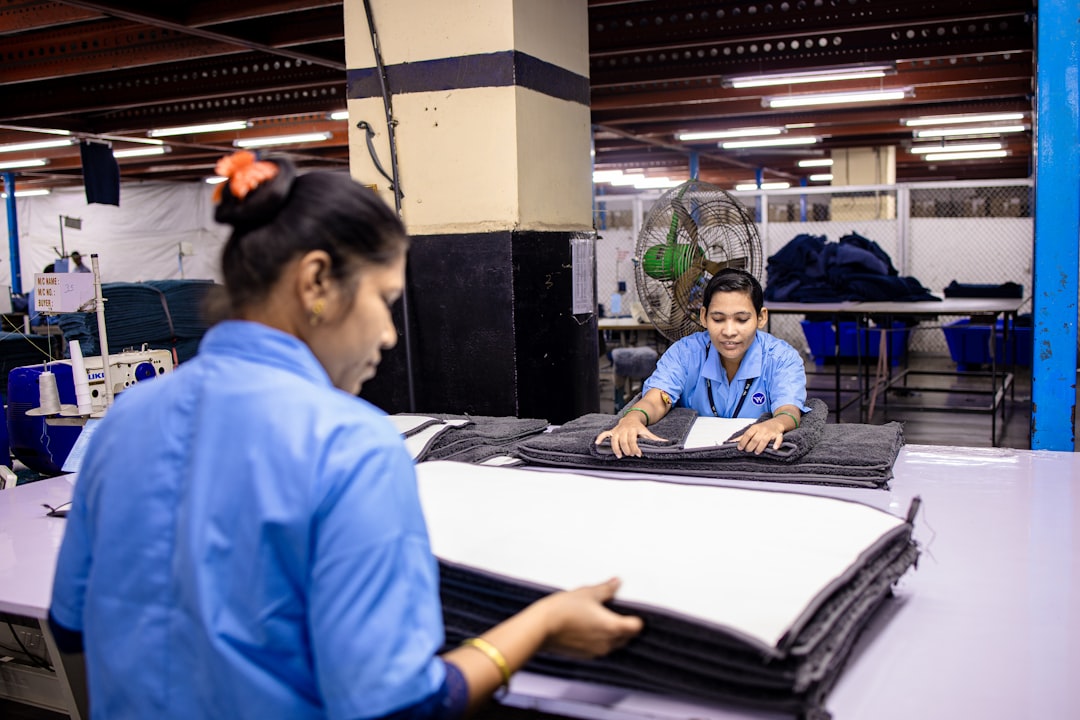
The Complete 15 Best MRP Software Tools For 2026
1. Katana Cloud Manufacturing
Best for: Small product-based businesses and eCommerce brands.
Key features:
- Live inventory tracking
- Visual production planning
- Shop floor app
- Integrations with Shopify and QuickBooks
Pricing: Starts at about $179/month.
Katana is clean and modern. Very beginner-friendly.
2. MRPeasy
Best for: Small manufacturers with under 200 employees.
Features:
- Full MRP and ERP tools
- CRM built-in
- Shop floor control
- Serial number tracking
Pricing: Starts around $49 per user/month.
Great balance between price and power.
3. Fishbowl
Best for: Businesses using QuickBooks.
Features:
- Advanced inventory control
- Manufacturing workflows
- Warehouse management
Pricing: Custom pricing. Typically mid-range.
Fishbowl is popular in the US. Strong accounting integration.
4. Odoo Manufacturing
Best for: Businesses that want an all-in-one system.
Features:
- Modular apps
- BOM management
- Maintenance scheduling
- Quality control
Pricing: Free community version. Paid plans from about $25/user/month.
Flexible. Customizable. Tech-friendly.
5. NetSuite ERP
Best for: Growing businesses scaling fast.
Features:
- Advanced planning
- Demand forecasting
- Financial management
Pricing: Custom. Often $999+/month base license.
Powerful but more expensive.
6. JobBOSS²
Best for: Job shops and custom manufacturers.
Features:
- Quoting tools
- Scheduling board
- Inventory and purchasing
Pricing: Custom pricing.
Strong for make-to-order environments.
7. SYSPRO
Best for: Industrial manufacturers.
Features:
- Supply chain tools
- Material planning
- Compliance management
Pricing: Quote-based.
Robust. Scalable. Enterprise-style features.
8. Global Shop Solutions
Best for: Small to mid-size factories.
Features:
- Inventory and CRM
- Shop management
- Financial tools
Pricing: Custom quote.
Offers both cloud and on-premise options.
9. ERPAG
Best for: Startups and small teams.
Features:
- Serial tracking
- Barcoding
- Production planning
Pricing: Starts around $49/user/month.
Simple interface. Fast onboarding.
10. Cetec ERP
Best for: Budget-conscious manufacturers.
Features:
- Real-time inventory
- Sales management
- Manufacturing control
Pricing: Around $40/user/month.
Low cost. High value.
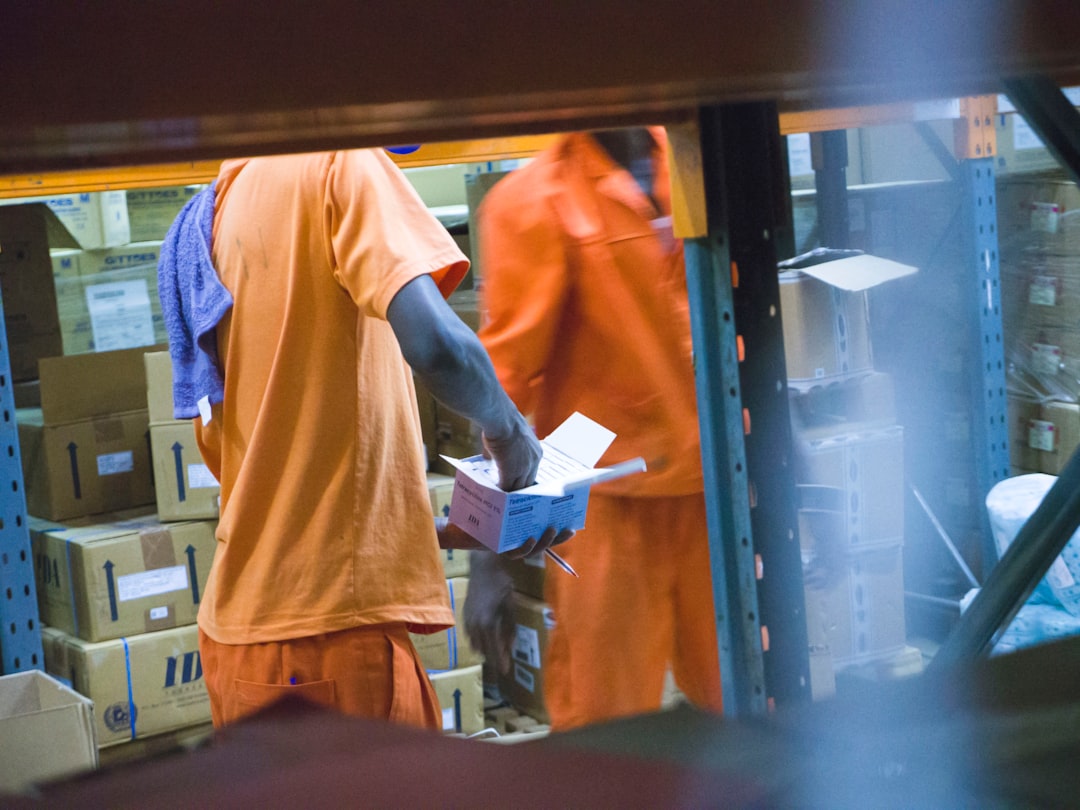
11. Infor CloudSuite Industrial (SyteLine)
Best for: Growing manufacturing businesses.
Features:
- Advanced planning
- Automation tools
- Analytics dashboards
Pricing: Enterprise-level pricing.
Modern interface. Strong forecasting.
12. Acumatica Manufacturing Edition
Best for: Mid-sized companies.
Features:
- Resource planning
- Cost tracking
- Project accounting
Pricing: Resource-based pricing model.
No per-user pricing. Good for growing teams.
13. Deskera MRP
Best for: Small manufacturers needing accounting built-in.
Features:
- Inventory tracking
- Production planning
- Integrated financials
Pricing: Starts around $39/user/month.
Cloud-based. Easy to use.
14. Genius ERP
Best for: Engineer-to-order companies.
Features:
- Project management
- Custom job tracking
- Production scheduling
Pricing: Custom quote.
Strong for complex builds.
15. Epicor Kinetic
Best for: Ambitious small manufacturers.
Features:
- Smart factory tools
- AI-assisted planning
- Supply chain management
Pricing: Custom pricing.
Advanced. Future-ready.
Buyer Stats In 2026
Let’s look at trends.
- 72% of small manufacturers say inventory accuracy is their top challenge.
- 61% switch to MRP after outgrowing spreadsheets.
- 54% see ROI within 12 months.
- Cloud adoption has increased by 40% since 2023.
Most buyers compare at least 5 vendors before choosing. Free demos matter. So does customer support.
Mobile access is also huge. Over half of shop managers now check production status from tablets or phones.
Image not found in postmetaHow Much Should You Budget?
Pricing depends on:
- Number of users
- Features needed
- Cloud vs on-premise
- Implementation support
In general:
- $0–$50/user/month: Basic and starter systems.
- $50–$150/user/month: Growing small businesses.
- $150+/user/month: Advanced or enterprise-level solutions.
Do not forget setup fees. Training costs. Data migration.
Always ask for a full cost breakdown.
Tips For Choosing The Right MRP Software
Keep it simple.
- Map your process first. Know your workflow.
- Request a demo. Click around. Test it.
- Check integrations. Accounting and eCommerce matter.
- Read customer reviews. Look for support feedback.
- Plan for growth. Choose something scalable.
Do not buy the most complex system on day one. Buy what you need now. Upgrade later if needed.
Final Thoughts
MRP software is no longer optional for serious small manufacturers. Spreadsheets are great. But only for a while.
The right system will:
- Reduce stockouts
- Lower inventory costs
- Improve production speed
- Give you better data
In 2026, there are more choices than ever. Some are powerful but pricey. Others are affordable and perfect for startups.
The key is fit. Not hype.
Choose wisely. Plan carefully. And let your MRP system handle the heavy lifting while you focus on growing your business.



Leave a Reply