The digital economy in 2026 is more accessible than ever, and becoming a reseller is one of the simplest ways to enter the world of online entrepreneurship. With low startup costs, flexible inventory options, and access to global marketplaces, reselling allows you to build a profitable business without creating your own products. Whether you’re flipping trending products, partnering with wholesalers, or leveraging dropshipping models, the opportunities are vast for those who approach it strategically.
TLDR: Starting an online business as a reseller in 2026 is affordable, scalable, and full of opportunity. Choose a niche carefully, validate demand before investing heavily, and select the right selling platform for your goals. Automation tools and AI can streamline operations, while strong branding and customer trust drive long-term success. Focus on margins, service, and adaptability to thrive in a competitive market.
- Why Reselling Is Thriving in 2026
- Choosing Your Reselling Model
- Finding Profitable Products
- Selecting the Right Platform
- Building Your Brand in 2026
- Understanding Profit Margins and Costs
- Leveraging AI and Automation
- Marketing Your Reselling Business
- Customer Experience as a Competitive Edge
- Scaling Beyond the First Six Months
- Challenges to Expect
- Is Reselling Right for You?
- Final Thoughts
Why Reselling Is Thriving in 2026
Reselling has exploded in popularity for several reasons. First, consumers have grown comfortable purchasing online across social platforms, marketplaces, and independent websites. Second, technology has reduced traditional barriers like warehousing, logistics, and even customer service.
Today’s reseller can:
- Dropship products directly from suppliers
- Source discounted items locally and flip them globally
- Use AI tools to identify trending products
- Automate listings, pricing, and fulfillment
The result? Lower overhead and higher flexibility compared to traditional retail models.
In 2026, the key advantage is information. Sellers have access to real-time data about product demand, competitor pricing, search trends, and customer behavior. If you leverage this data wisely, you can minimize risk and scale faster.
Choosing Your Reselling Model
Before launching your store, decide which reselling approach aligns with your goals, budget, and timeline. Each model has pros and cons.
1. Dropshipping
You sell products without holding physical inventory. When a customer orders, your supplier ships directly to them.
Pros: Low startup cost, minimal risk, no warehouse.
Cons: Lower margins, less control over shipping and quality.
2. Wholesale Reselling
You purchase products in bulk at discounted rates and resell at a markup.
Pros: Better margins, more control over inventory.
Cons: Requires upfront investment and storage.
3. Retail Arbitrage
You buy discounted products from local stores and resell them online at higher prices.
Pros: Easy to start, no supplier contracts.
Cons: Harder to scale consistently.
4. Private Label Reselling
You source generic products and brand them as your own.
Pros: Strong brand identity, higher long-term profits.
Cons: Requires branding investment and quality control.
Finding Profitable Products
Success as a reseller depends largely on what you sell. In 2026, product research tools powered by AI make identifying winning items easier than ever.
Look for products that are:
- In demand (consistent search volume)
- Lightweight and easy to ship
- Not overly saturated by competitors
- Priced with room for 20–50% profit margins
Trending categories in 2026 include:
- Eco-friendly lifestyle products
- Smart home accessories
- Health and wellness devices
- Pet technology and accessories
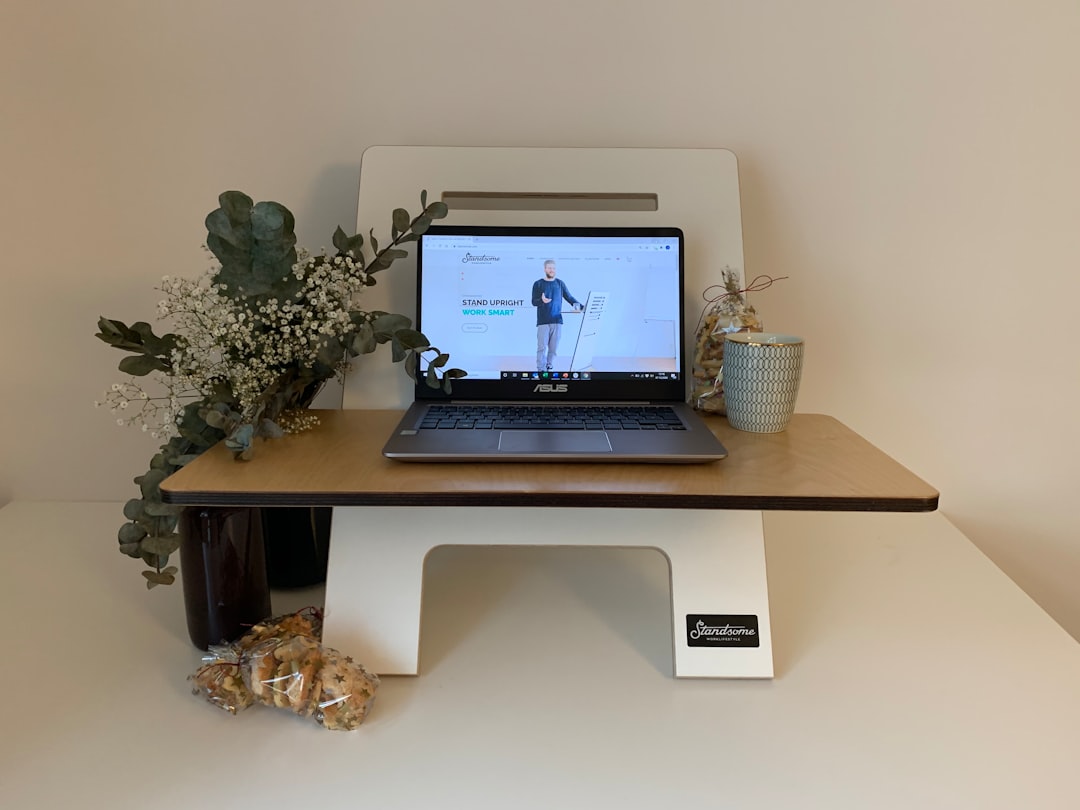
- Remote work equipment
Avoid chasing short-term viral products unless you can move quickly. Sustainable growth comes from reliable products with steady demand.
Selecting the Right Platform
Where you sell matters as much as what you sell. Each platform serves a different audience and business model.
- Amazon: Massive traffic, strong trust factor, high competition.
- eBay: Great for arbitrage and used goods.
- Etsy: Ideal for handmade, vintage, or customized goods.
- Shopify: Full control over branding and customer experience.
- TikTok Shop and Instagram: Social commerce with viral potential.
Many successful resellers combine platforms. For example, they validate products on marketplaces and later transition to their own branded website to improve margins.

Building Your Brand in 2026
Even as a reseller, branding matters. Consumers are more selective and value trust, transparency, and consistent messaging.
Key branding elements include:
- A professional logo and clean website design
- Consistent product photography
- Clear product descriptions focused on benefits
- Fast response customer service
AI tools now help generate optimized descriptions, email campaigns, and ad creatives. However, authenticity remains essential. Add a human touch through storytelling and genuine customer engagement.
Your goal isn’t just to sell a product; it’s to build a reputation.
Understanding Profit Margins and Costs
Many beginners focus on revenue instead of profit. In reselling, margins can vary dramatically depending on sourcing and fees.
Account for:
- Product cost
- Shipping fees
- Platform commissions
- Advertising costs
- Software subscriptions
- Returns and refunds
A healthy target margin for many resellers in 2026 is between 25% and 40%. Premium branding and private labeling can push margins even higher.
Automation tools can dynamically adjust prices based on competitor listings, helping you stay competitive without constant manual oversight.
Leveraging AI and Automation
One of the biggest advantages of starting in 2026 is access to powerful AI automation tools.
You can automate:
- Product research and trend analysis
- Listing optimization
- Email marketing sequences
- Customer service chatbots
- Inventory management
This allows solo entrepreneurs to operate at the scale of a small team. Instead of spending hours on repetitive tasks, you can focus on strategy, partnerships, and growth.

Marketing Your Reselling Business
Uploading products is not enough. You need consistent traffic.
Effective marketing strategies include:
- Short-form video content showcasing products in action
- Email marketing campaigns offering discounts and updates
- Influencer collaborations in niche communities
- Search engine optimization for organic traffic
- Paid ads on Meta, Google, or TikTok
In 2026, authenticity wins over polished corporate ads. Real demonstrations, honest reviews, and user-generated content drive more conversions than aggressive sales messaging.
Customer Experience as a Competitive Edge
The difference between short-term profit and long-term business growth lies in customer satisfaction.
Prioritize:
- Fast shipping times
- Clear return policies
- Proactive communication
- Easy checkout processes
Encourage reviews and testimonials. Positive feedback increases social proof and improves platform rankings. Even negative feedback can become an opportunity to demonstrate professionalism and reliability.
Scaling Beyond the First Six Months
The early phase of your business should focus on validation and efficiency. Once you identify profitable products, scaling becomes the next challenge.
Ways to scale include:
- Expanding into complementary product categories
- Building an email subscriber base
- Negotiating better rates with suppliers
- Launching private label versions of best-sellers
- Entering international markets
Diversification reduces vulnerability to sudden algorithm or market changes.
Challenges to Expect
While reselling is accessible, it is not without obstacles.
You may encounter:
- Increased competition in popular niches
- Supplier inconsistencies
- Platform policy changes
- Advertising cost fluctuations
Successful resellers remain adaptable. Monitor metrics regularly and pivot when necessary. In today’s fast-moving digital marketplace, flexibility is a competitive advantage.
Is Reselling Right for You?
Reselling is ideal if you enjoy market research, trend analysis, and marketing strategy. It’s particularly attractive for:
- Aspiring entrepreneurs seeking low startup costs
- Side hustlers wanting extra income
- Digital nomads operating remotely
- Creatives wanting to test products before full branding
However, it requires patience, analytical thinking, and a willingness to learn continuously.
Final Thoughts
Starting your online business as a reseller in 2026 offers unprecedented opportunity. The digital tools available today eliminate many traditional barriers, allowing anyone with research skills and persistence to compete in the global marketplace. By selecting the right products, leveraging automation, building trust with customers, and focusing on sustainable margins, you can transform a small operation into a scalable online brand.
The future of commerce belongs to adaptable entrepreneurs. If you’re ready to analyze trends, experiment strategically, and provide genuine value, reselling can be your gateway into the world of online business success.



Leave a Reply