When you zoom in really close—like, microscope close—you’ll find two main types of cells running the show: prokaryotes and eukaryotes. They may sound like characters from a sci-fi movie, but they’re very real and super important in biology. Knowing the difference between them helps us understand what life is made of and how it works.
TL;DR
Prokaryotes are simple, tiny cells without a nucleus. Eukaryotes are larger, more complex, and have a nucleus. Both have a cell membrane and DNA. If you’re a human (and not a bacterium), your body is made of eukaryotic cells!
So, What Are Prokaryotes?
These are the original cells—the oldest life forms on Earth! Prokaryotes include bacteria and a group called archaea. Their name literally means “before nucleus.” That’s because they don’t have a nucleus at all!
- No nucleus – Their DNA floats freely in the cell.
- Much smaller than eukaryotic cells.
- Simpler structure – No membrane-bound organelles.
- Single-celled – Each organism is just one cell.
Even though they’re small, prokaryotes are tough! They live in boiling heat, frozen tundras, and even radioactive waste. Call them the ultimate survivors.
And What About Eukaryotes?
If prokaryotes are the “before” cells, eukaryotes are the upgrades. Their name means “true nucleus.” These cells have a nucleus that keeps their DNA safe inside a membrane. Fancy!
- Has a nucleus – DNA is stored in a protective membrane-bound area.
- Larger and more complex structure.
- Organelles – Tiny parts inside the cell that have specific jobs, like the mitochondria (the powerhouse!).
- Can be multicellular – Think humans, animals, and plants!
Eukaryotic cells are like tiny cities. Each part has a job and works together to keep things running smoothly.
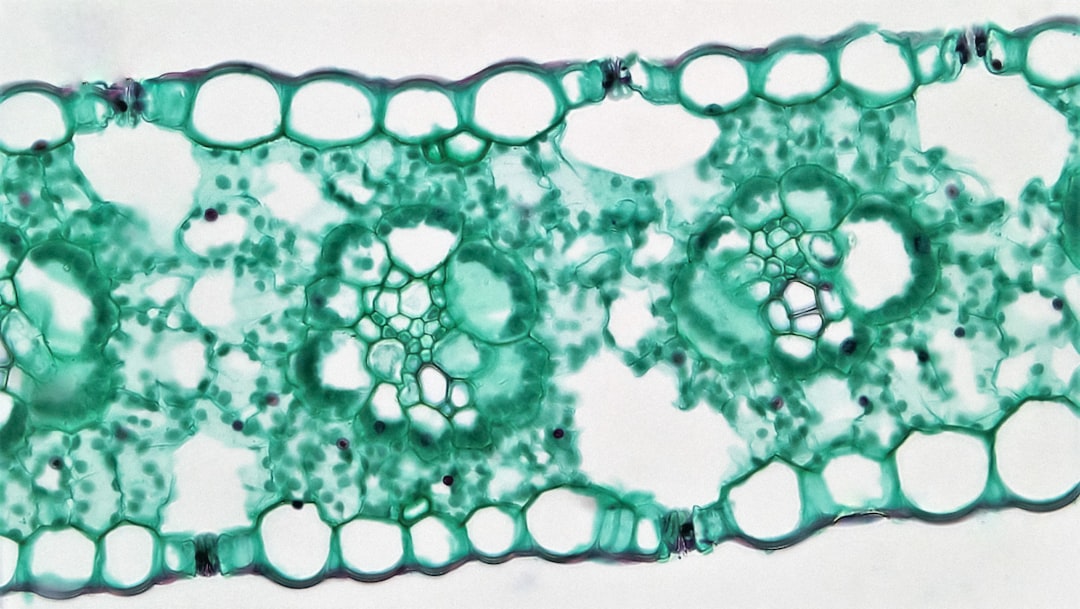
The Great Cell Showdown: Let’s Compare
Now it’s time for the ultimate face-off. What do these two types of cells have in common, and what sets them apart? Let’s break it down with a fun Venn diagram comparison.
What’s the Same?
Believe it or not, prokaryotes and eukaryotes do share some things. Let’s look at what’s in the overlapping part of our imaginary Venn diagram:
- DNA – Both kinds of cells have genetic material.
- Cell membrane – They both have outer layers that keep stuff in and out.
- Ribosomes – These make proteins (every cell needs those!).
- Cytoplasm – A jelly-like substance filling the cell that holds everything in place.
No matter the type of cell, these basics are a must-haves for life.
How Are They Different?
| Feature | Prokaryotes | Eukaryotes |
|---|---|---|
| Nucleus | No nucleus | Has a nucleus |
| Size | Small | Larger |
| Complexity | Simple | Complex |
| Organelles | No membrane-bound organelles | Many, including mitochondria and ER |
| Examples | Bacteria, Archaea | Animals, Plants, Fungi, Protists |
Venn Diagram Time!
If we could draw this, the Venn diagram would look awesome. But since we’re using words, imagine this:
Prokaryotes (Left Circle)
- No nucleus
- Tiny and simple
- Bacteria and archaea
- DNA
- Cell membrane
- Ribosomes
- Cytoplasm
Eukaryotes (Right Circle)
- Has a nucleus
- Larger and complex
- Plants, animals, fungi, protists
It’s kind of like comparing a rustic tiny house and a high-rise apartment. Both are homes, but one has a lot more rooms!
Fun Facts to Show Off
- There are more prokaryotes on Earth than any other organism!
- Your body has more bacterial cells than human cells. Don’t worry—they’re mostly good guys.
- Mitochondria and chloroplasts in eukaryotes were probably ancient prokaryotes! This is called the endosymbiotic theory.
Why This Matters
Understanding these cells helps us learn about where life began. It helps doctors fight infections. It explains how healing, growing, and energy-making works in your body!
Scientists even use *prokaryotic* cells to make medicines like insulin. And eukaryotic cells reveal how tissues and organs work in humans.
Quick Quiz! Can You Remember?
- Which cell has a nucleus?
- Which are simpler and smaller?
- Name one thing both cell types have.
Answers: Eukaryotes, Prokaryotes, DNA
Summary
Let’s wrap it all up one more time with some key takeaways:
- Prokaryotes are basic but brilliant survivors with no nucleus.
- Eukaryotes are complex powerhouses with a clean DNA room—a nucleus!
- They both have the basics: DNA, cell membrane, cytoplasm, and ribosomes.
- One is like a studio apartment, and the other is like a castle!

Now you can amaze your friends with your microscopic knowledge! Whether simple or complex, cells are the tiny engines of life, and now you know exactly how they run.
Leave a Reply