Working on an oil rig can be one of the most demanding yet rewarding careers in the industrial sector. Offshore oil platforms require a wide array of skilled professionals working together seamlessly under harsh and unpredictable conditions. These roles are vital in ensuring the continuous and safe extraction of oil and gas from beneath the ocean floor.
TLDR:
Oil rigs operate similarly to floating cities and need various specialists — from drillers to chefs and engineers. Some of the core roles include roustabouts, roughnecks, toolpushers, and crane operators. Positions range from entry-level manual labor to highly technical engineering and safety operations. Each job carries unique responsibilities and offers different career advancement opportunities.
What Is an Oil Rig and Why Are Offshore Roles Important?
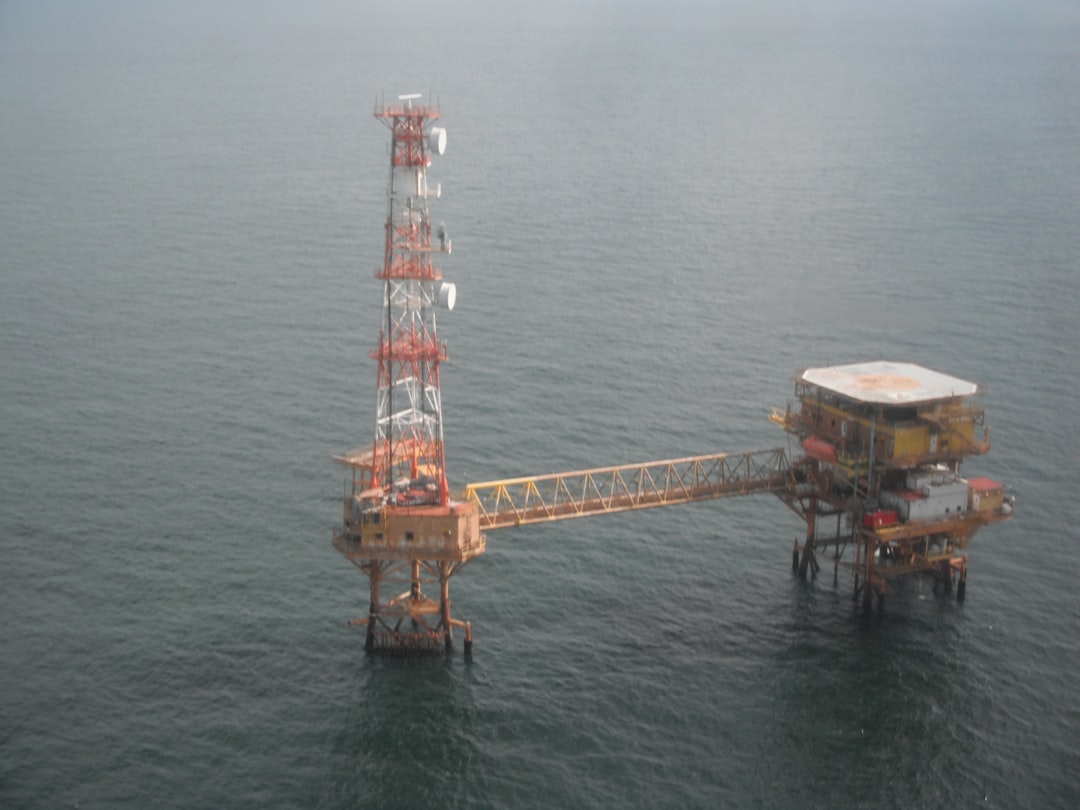
Oil rigs are large, complex structures usually located miles offshore, designed to drill for and extract petroleum and natural gas beneath the seabed. Because of their remote location and isolated environment, they require a full team to live and work on-site, often for weeks at a time. Every role — no matter how big or small — plays a critical part in ensuring efficient operation, safety, and productivity.
Primary Offshore Roles on an Oil Rig
Here’s a breakdown of the main job categories typically found on an offshore oil rig:
1. Roustabout
Often considered the entry point for offshore oil rig work, the roustabout performs general labor tasks. Duties include cleaning, maintenance, transporting equipment, and assisting more experienced rig workers. While physically demanding, it’s one of the best starting roles for those looking to break into the industry without prior experience.
2. Roughneck
A step above the roustabout, the roughneck works more directly with the drilling process. Responsibilities include operating drilling equipment, pouring drilling mud, and maintaining machinery. This role requires physical strength, endurance, and a strong understanding of drilling operations.
3. Derrickhand
The derrickhand works high above the rig floor on the derrick — the tall tower structure from which drilling operations are conducted. They are responsible for monitoring mud systems, managing the drill pipe, and assisting the driller. It’s a skilled position often filled by experienced roughnecks.
4. Driller
Reporting to the toolpusher, the driller oversees the actual drilling operations on the rig. They supervise the drilling team, control the drilling machinery, and ensure that drilling proceeds according to plan and safety regulations. This position requires years of experience and often specialized certifications.
5. Toolpusher
The toolpusher is the senior-most supervisor on the drill floor. They manage crew shifts, oversee maintenance, and ensure that all rig operations meet schedule expectations and safety policies. Often referred to as the rig manager, this role is responsible for the day-to-day running of the entire drilling operation.
6. Crane Operator
Working in tandem with logistics and support crews, the crane operator lifts and moves heavy equipment around the deck and between supply vessels. They play a critical role in port operations, ensuring necessary equipment and supplies get where they need to be safely and quickly.
7. Offshore Installation Manager (OIM)
The OIM holds overall responsibility for everyone onboard. Their duties include overseeing safety procedures, approving critical operations, interacting with onshore corporate offices, and managing emergency drills. The OIM is essentially the “captain” of the rig.
Support and Specialized Roles
In addition to primary rig operations, multiple support specialists contribute to the overall success and welfare of the offshore workforce.
8. Medic
A fully trained and certified medic is stationed on every offshore platform to handle illness, injuries, and general healthcare needs of the crew. They maintain medical supplies, run check-ups, and coordinate with emergency rescue in case of serious incidents.
9. Chef and Catering Crew
Working long shifts in an isolated environment requires nutritious, satisfying food. Offshore chefs and catering staff keep the crew well-fed with several meals per day and maintain cleanliness in the living quarters. This role is essential for boosting morale and health.
10. HSE Officer
Health, Safety, and Environment (HSE) Officers are responsible for enforcing safety protocols across the platform. They conduct risk assessments, run safety drills, and ensure everyone complies with regulatory standards. Given the hazardous nature of offshore drilling, this is one of the most vital roles on the rig.
11. Maintenance Crew (Electricians, Welders, Mechanics)
Ongoing maintenance is critical to avoid malfunctions or hazards. Electricians, welders, and mechanics make up the rig’s technical support team. They fix electrical wiring, maintain machinery, and ensure structural integrity.
12. ROV Operator
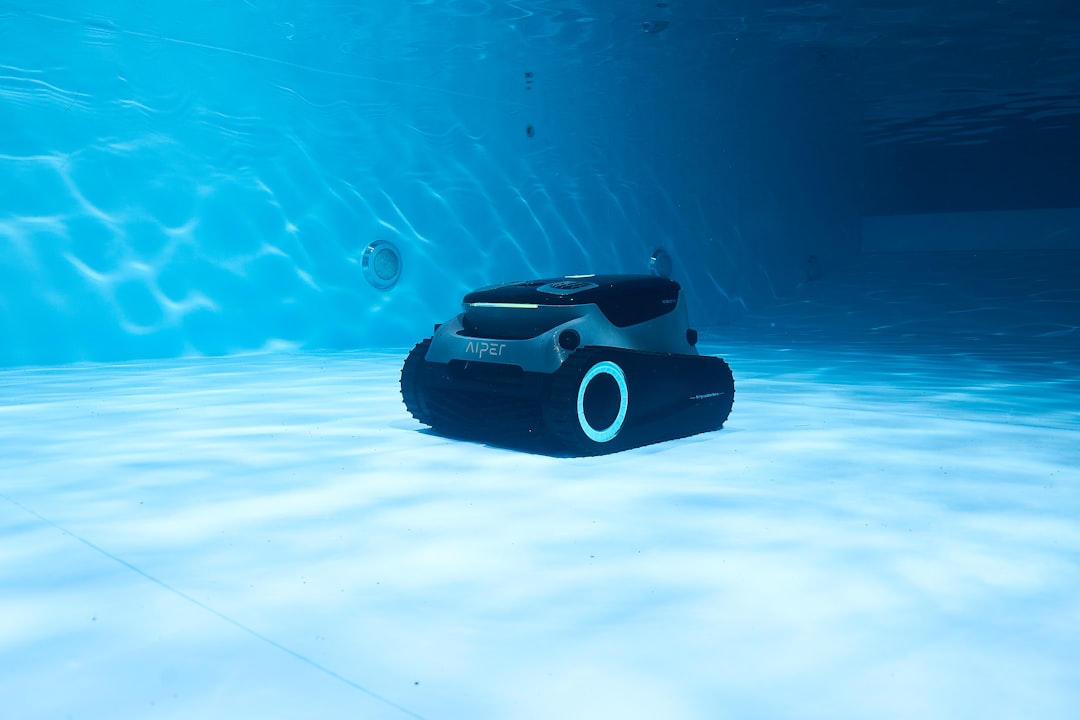
A ROV (Remotely Operated Vehicle) Operator uses underwater robotic systems to inspect pipelines and seabed installations. These roles are highly technical and require skill in piloting submersibles, interpreting sonar data, and handling delicate equipment.
Training and Qualifications
Most offshore positions require at least a high school diploma or equivalent. However, technical roles and supervisory positions demand specialized training, certifications, and sometimes degrees. Some common certifications include:
- BOSIET (Basic Offshore Safety Induction and Emergency Training)
- HUET (Helicopter Underwater Escape Training)
- STCW (Standards of Training, Certification, and Watchkeeping) – especially relevant to marine crew
- Medical Fitness Certificate
Experience remains a top requirement. Many people climb the offshore ladder starting from roustabout or roughneck roles, gradually earning the trust and credentials needed for higher-level roles such as driller or OIM.
Work-Life Balance and Shifts
Offshore jobs traditionally follow a rotational schedule — for example, two weeks on, two weeks off. This intensive work period means 12-hour shifts daily, but it also allows for significant time at home. Facilities on modern rigs often include gyms, gaming lounges, and Wi-Fi to help employees unwind.
Challenges and Rewards
Working offshore can involve extreme weather conditions, isolation, and physical strain. But for many, the benefits — including high salaries, camaraderie, and career progression — outweigh the drawbacks. In many countries, offshore roles come with additional incentives such as hazard pay, housing allowance, and generous leave policies.
FAQ
-
Q: What is the average salary for offshore oil rig workers?
A: Salaries can vary widely, but entry-level positions like roustabouts may earn around $40,000–$60,000 annually, while experienced drillers or engineers can make over $100,000, not including bonuses. -
Q: Do I need previous experience to work on an oil rig?
A: Not for all roles. Entry-level roles such as roustabout or catering assistant often accept candidates without prior offshore experience, though physical fitness and safety training are mandatory. -
Q: Is working on an oil rig dangerous?
A: It has inherent risks due to its environment and machinery, but strict safety regulations and drills are enforced regularly to minimize dangers. -
Q: How long do offshore workers stay on the rig?
A: Rotation schedules vary, but common patterns include 14 days on/14 days off, or 21 days on/21 days off. -
Q: Are women allowed to work on oil rigs?
A: Absolutely. More women are joining offshore roles each year in various capacities, from engineering and safety to catering and management.
Oil rig occupations represent a unique and dynamic facet of the energy sector. With opportunities for adventure, growth, and substantial income, they attract professionals from around the globe. Whether you’re starting as an entry-level worker or aiming for a specialized role, the



Leave a Reply