Clear, accurate, and stylistically consistent writing is no longer a luxury reserved for professional editors. In an age where communication defines credibility, grammar tools have become essential for students, marketers, executives, and content creators alike. Yet not all tools serve the same purpose, and choosing the right combination can dramatically improve the quality of your work. Understanding how specialized grammar tools function—and where they excel—allows writers to move from basic proofreading to refined, publication-ready prose.
TLDR: Grammar tools do more than correct typos—they improve clarity, enforce consistency, and elevate style. The most effective solutions range from AI-powered grammar checkers to advanced readability analyzers and style guides. Choosing the right combination depends on your writing goals, audience, and industry standards. When used strategically, these tools significantly enhance professionalism and credibility.
Below are seven grammar tools that meaningfully improve writing accuracy, clarity, and stylistic consistency. Each serves a distinct purpose, and together they form a comprehensive editing ecosystem.
- 1. AI-Powered Grammar Checkers
- 2. Style and Consistency Checkers
- 3. Readability Analyzers
- 4. Plagiarism and Originality Checkers
- 5. Terminology Management Tools
- 6. Sentence Structure and Style Enhancers
- 7. Integrated Writing Platforms
- Comparison Chart of Grammar Tools
- Choosing the Right Combination
- Best Practices for Using Grammar Tools
- Final Thoughts
1. AI-Powered Grammar Checkers
Modern AI grammar checkers go beyond identifying spelling errors. They analyze sentence structure, subject-verb agreement, punctuation misuse, and contextual wording issues. Advanced platforms also detect tone inconsistencies and suggest clarity improvements.
Why they matter:
- Detect complex grammatical errors instantly
- Provide contextual corrections rather than surface edits
- Offer tone and engagement suggestions
- Improve sentence conciseness

AI grammar tools are particularly useful for professionals drafting emails, reports, proposals, and marketing copy under time constraints. However, they should not replace human judgment. Automated suggestions require careful review to ensure they align with intent and voice.
2. Style and Consistency Checkers
Maintaining stylistic consistency across long documents can be challenging. Style checkers ensure uniformity in capitalization, hyphenation, abbreviation usage, numbers formatting, and terminology.
Organizations often adhere to specific style guides such as AP, Chicago, or internal brand manuals. Style enforcement software automatically flags deviations and helps maintain editorial standards.
Key benefits include:
- Uniform tone across departments or contributors
- Alignment with corporate or publication guidelines
- Reduced editorial revision cycles
For large teams, consistency tools are indispensable. They prevent fragmentation of voice, especially in collaborative writing environments.
3. Readability Analyzers
Clarity is inseparable from readability. Even grammatically flawless text can fail if it is overly complex. Readability analyzers measure sentence length, word difficulty, passive voice usage, and overall comprehension level.
These tools often calculate readability scores such as Flesch Reading Ease or Grade Level metrics. Writers can then adjust sentence structure to match their target audience.
Effective readability management results in:
- Higher reader engagement
- Improved comprehension
- Better accessibility for broader audiences
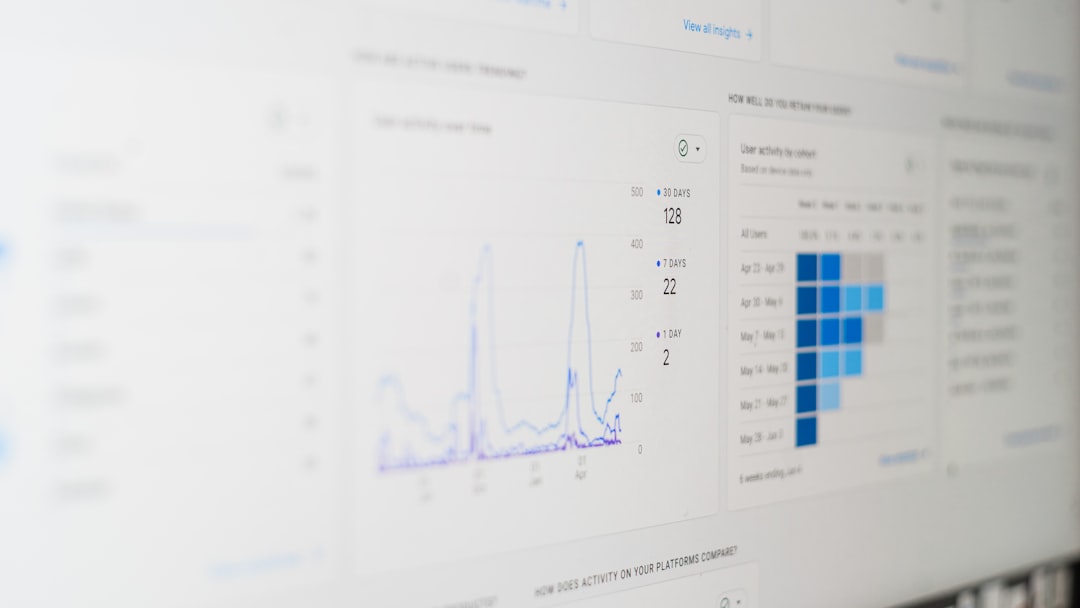
For digital content creators, readability correlates directly with user retention. In technical or academic writing, it ensures complex ideas remain understandable without oversimplification.
4. Plagiarism and Originality Checkers
Accuracy includes intellectual integrity. Plagiarism detection tools compare text against vast databases of academic papers, websites, and publications to identify duplicated phrasing or unattributed material.
These systems are essential for:
- Academic researchers
- Journalists and editors
- Marketing agencies producing original content
Some advanced platforms also evaluate “patchwriting,” where text is superficially rewritten but remains structurally similar to source material. By ensuring originality, writers strengthen credibility and avoid legal or reputational risk.
5. Terminology Management Tools
In technical, legal, or medical writing, terminology must remain consistent throughout documentation. Terminology management tools create approved vocabulary databases and flag unauthorized variants.
Why this is critical:
- Prevents ambiguity in specialized contexts
- Reduces confusion across international teams
- Supports accurate translation workflows
For example, referring to a product feature by multiple variations may confuse users and weaken branding. Terminology tools eliminate such inconsistencies systematically.
6. Sentence Structure and Style Enhancers
Some tools focus specifically on sentence flow, variety, and sophistication. Rather than only fixing errors, they recommend rephrasing passive constructions, splitting overly long sentences, and eliminating redundancy.
Common improvements include:
- Reducing wordiness
- Strengthening verb choices
- Improving parallelism
- Enhancing rhythm and readability

These tools are particularly effective for business communication, where directness and clarity influence decision-making. They also benefit non-native English speakers seeking natural phrasing.
7. Integrated Writing Platforms
Comprehensive writing platforms combine grammar correction, readability analysis, tone detection, and plagiarism checking into a unified interface. Instead of switching between multiple applications, writers receive consolidated feedback.
Advantages of integrated systems include:
- Workflow efficiency
- Centralized analytics
- Document-wide consistency checks
- Real-time collaboration features
For enterprises managing extensive documentation, such platforms streamline editorial oversight and reduce version-control complications.
Comparison Chart of Grammar Tools
| Tool Type | Primary Focus | Best For | Main Benefit | Limitations |
|---|---|---|---|---|
| AI Grammar Checkers | Grammar and contextual corrections | General writers, professionals | Comprehensive error detection | May overcorrect stylistic nuance |
| Style Checkers | Formatting and style consistency | Editorial teams, corporations | Standardized documentation | Requires predefined style rules |
| Readability Analyzers | Clarity and comprehension | Content creators, educators | Improved engagement | May oversimplify complex material |
| Plagiarism Checkers | Originality verification | Academics, publishers | Integrity assurance | Database limitations |
| Terminology Tools | Vocabulary consistency | Technical industries | Precision and clarity | Setup requires planning |
| Style Enhancers | Sentence refinement | Business writers, ESL users | Stronger prose flow | Suggestions require review |
| Integrated Platforms | All-in-one editing | Enterprises, teams | Workflow efficiency | Higher cost |
Choosing the Right Combination
No single grammar tool addresses every dimension of writing quality. A student may benefit primarily from plagiarism detection and readability analysis, while a corporate communications team may prioritize style enforcement and terminology management.
To select effectively, consider:
- Your target audience
- The complexity of subject matter
- Industry compliance requirements
- Collaboration needs
- Budget and integration capabilities
Writers producing high-stakes documents—legal contracts, research publications, executive proposals—often combine multiple tools to create layered editorial safeguards.
Best Practices for Using Grammar Tools
Even the most sophisticated software should complement, not replace, careful review. Automated feedback improves efficiency, but human judgment ensures authenticity and nuance.
Follow these principles:
- Review suggestions critically rather than accepting all changes automatically.
- Use readability metrics as guides, not rigid targets.
- Update terminology databases regularly.
- Align style settings with your official brand or publication guide.
- Perform a final manual read-through before publication.
Writers who rely blindly on automation risk flattening their voice. Precision should enhance individuality—not erase it.
Final Thoughts
Writing accuracy, clarity, and stylistic consistency are measurable qualities. They influence credibility, reader trust, and professional reputation. Modern grammar tools provide measurable improvements by systematically addressing structural weaknesses, linguistic errors, and formatting inconsistencies.
When used strategically, these seven categories of grammar tools create a disciplined and reliable writing process. They reduce avoidable mistakes, elevate readability, and reinforce cohesive voice. In a competitive information landscape, such refinement is not merely advantageous—it is essential.
Investing in the right grammar tools is ultimately an investment in clarity of thought. Clear thinking produces clear writing, and clear writing earns authority.



Leave a Reply